
Definition
A t-shirt is a short-sleeved, collarless top knit from cotton or a cotton blend, named for the T shape it makes when laid flat. It is the single most-printed garment in branded merch, because it suits almost any logo, audience, and budget. The fabric weight, fit, and knit decide whether a t-shirt feels cheap or feels kept.
Definition
A t-shirt is made from a knit fabric, most often jersey, which gives it stretch and a soft hand. The body is sewn from a tube or two panels, with set-in or cut sleeves and a ribbed crew neck. Weight is measured in gsm (grams per square meter), and that number is the fastest way to judge quality.
A practical example: a 180 gsm ringspun cotton crew neck in a regular fit. It holds a screen print cleanly, survives dozens of washes, and reads as a real wardrobe piece rather than a giveaway. Drop to 140 gsm and the same print can show through and the shirt can feel thin after one wash.
How a t-shirt works
The base is a knit, not a weave, so loops of yarn interlock and let the fabric stretch and recover. Most t-shirts use single jersey, a light knit with a smooth face and a looped back. The yarn matters as much as the knit. Ringspun cotton is combed and twisted for a smoother, stronger thread, while open-end or carded cotton is coarser and cheaper. Combed ringspun gives the soft, even surface that printers and embroiderers prefer.
Weight and fiber set the feel. Light tees run 140 to 160 gsm, mid-weight sits at 170 to 190 gsm, and heavyweight tees reach 200 gsm and up for a structured, premium drape. Pure cotton breathes and prints well but can shrink and crease. A cotton and polyester blend resists shrinkage and dries faster, while a triblend with viscose adds a soft, slightly heathered look. Each choice trades printability, durability, and cost against each other.
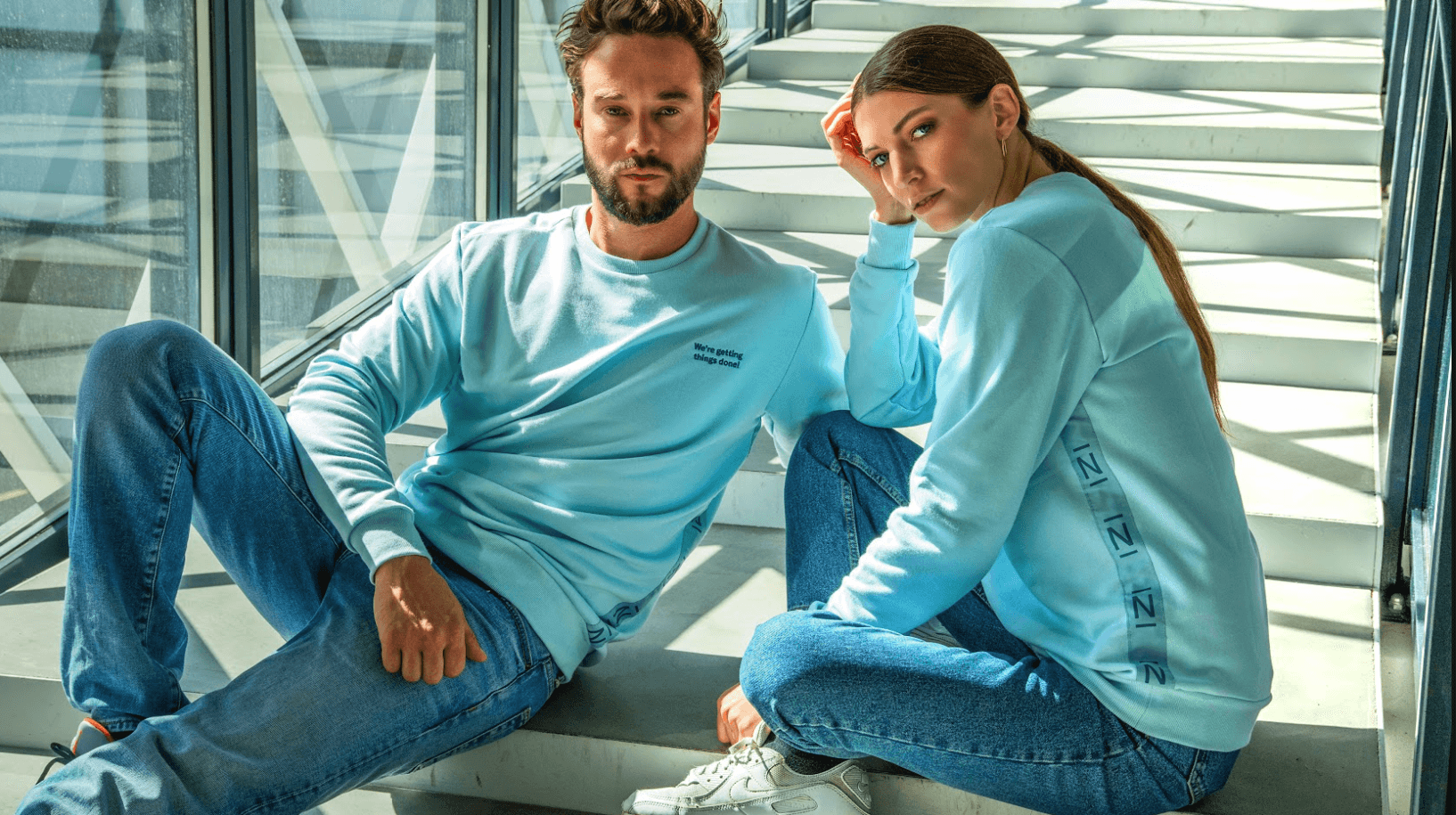
Fit is the other half of the decision. A regular fit suits the widest range of bodies and is safest for company-wide runs. A fitted or slim cut flatters but limits sizing. An oversized or boxy cut signals a current, fashion-led brand. Offer the right size range and you avoid the most common merch complaint, which is a shirt that no one wants to wear.
T-shirt in branded merch
- Event and team tees. The default for conferences, launches, and staff. A mid-weight cotton crew prints sharply, fits most people, and stays cheap enough to order at volume.
- Premium brand merch. A heavyweight 200 gsm tee with a relaxed cut and a tonal print feels like retail. Use it for drops, swag people actually request, and gifts that carry the brand for years.
- Uniform and retail staff wear. Durable blends with a consistent color across reorders keep teams looking sharp. Embroidery or a small chest print reads as professional rather than promotional.
A t-shirt is a short-sleeved knit top, usually cotton, and the default canvas for printed and embroidered branded apparel.
5 tips to elevate your T-shirt strategy
| Tip | Steps |
|---|---|
| Lead with weight | Pick 180 gsm or more for a tee that feels kept, not thrown away. |
| Choose ringspun cotton | Combed ringspun gives a smoother surface for crisp prints and embroidery. |
| Match print to fabric | Use screen print on cotton, and pick DTG for full-color art on light tees. |
| Order a fit range | Offer regular plus an extended size run so everyone gets a shirt they wear. |
| Confirm color across batches | Lock the exact shade so reorders match your first run. |
Key Terminologies
Frequently Asked Questions
What is a good gsm for a t-shirt?
For branded merch, 180 gsm is a reliable mid-weight that feels substantial and prints well. Go to 200 gsm or more for a premium tee, and avoid sub-150 gsm unless you need an ultralight summer shirt.
Is 100% cotton or a blend better for printed tees?
Pure cotton prints best and breathes well, so it is the usual choice for screen printing. A cotton and polyester blend resists shrinkage and dries faster, which suits active or uniform use.
What is the best print method for a t-shirt?
Screen printing is best for bold designs and large runs because the cost per piece drops with volume. For full-color or photographic art on small runs, direct-to-garment printing gives sharper detail.
What fit should I order for company t-shirts?
A regular or unisex fit suits the widest range of bodies and is safest for company-wide orders. Offer an extended size range so every recipient can find a shirt they will actually wear.
Do t-shirts shrink after washing?
Pure cotton can shrink a little on the first hot wash. Wash cool and dry on low to limit shrinkage, or choose a pre-shrunk or blended tee for more stable sizing.