

Definition
Thumbhole cuffs are sleeve cuffs extended past the wrist with a small reinforced opening that the thumb slips through. The cuff then anchors over the back of the hand, so the sleeve stays down instead of riding up the forearm. You see them on hoodies, base layers, long sleeve tees, and fleece midlayers.
Definition
A thumbhole cuff is a construction detail, not a fabric. The sleeve is cut longer than a standard sleeve, and an opening is placed near the seam so the wearer can hook a thumb through it. The result is half-glove coverage without a glove: the hand stays partly covered, the wrist stays warm, and the sleeve keeps its position through movement.
A practical example: a cycling brand orders 300 long sleeve technical tees for a rider community. The sleeves get thumbholes so riders can keep their wrists covered on cold morning starts without losing grip on the bars. The logo sits high on the sleeve, well away from the cuff, so it stays visible when the hand is through the hole.
How thumbhole cuffs work
Construction starts with sleeve length. The sleeve is graded 2 to 5 cm longer than a normal sleeve, since the cuff has to reach across the back of the hand once the thumb is engaged. Skip that step and the finished garment pulls at the shoulder every time someone uses the hole.
The opening itself is made in one of three ways. A slit thumbhole cuts an opening into a rib cuff and finishes the edges with binding or a coverstitch. A knitted-in thumbhole forms the opening in the knit structure of the cuff, which gives the cleanest edge but needs a specialist knit supplier. A bound or taped thumbhole cuts a slit into a performance fabric and closes the raw edge with elastic binding. In all three, a bartack at each end of the opening stops the fabric tearing under load. That bartack is the single most common failure point, so it is worth checking on every sample.
Fabric choice decides whether the detail survives. The cuff needs stretch and recovery, so ribbed knit with a few percent elastane is the standard, along with brushed fleece and jersey blends. A cuff with no recovery stretches out at the hole after a few wears and never springs back. The trade-offs are cost and lead time: a thumbhole is an extra sewing operation, which adds a small amount per unit and can push a production run out by a few days. Some blank suppliers simply do not offer it, which narrows your product choice.
Thumbhole cuffs in branded merch
- Running and cycling club kit: Add thumbholes to long sleeve tees and lightweight hoodies so members get wrist coverage on cold starts. It signals real performance apparel rather than a printed blank.
- Outdoor and field team uniforms: Give crews working outside a fleece midlayer with thumbholes, so sleeves stay put under a jacket and hands stay covered between tasks.
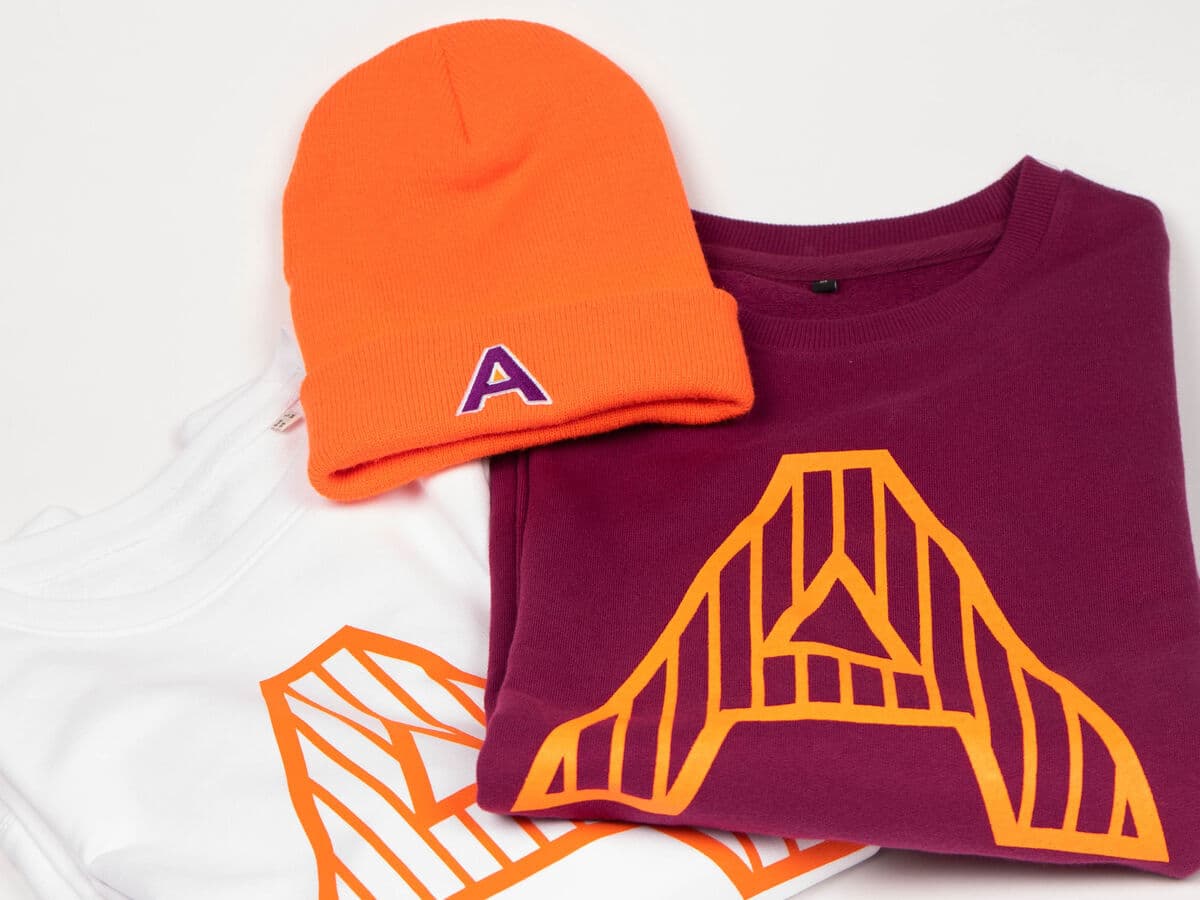
- Wellness and athleisure gifting: Build a gift set around a thumbhole hoodie and a beanie for a winter campaign. The detail reads as premium and gets the garment worn at home, not just at the office.
A thumbhole cuff is an extended sleeve cuff with a reinforced opening that the thumb passes through, holding the sleeve in place across the back of the hand.
5 tips to elevate your Thumbhole cuffs strategy
| Tip | Steps |
|---|---|
| Check the bartack | Ask for a sample and pull the opening. A weak bartack means torn cuffs within a season. |
| Grade the sleeve length | Sleeves must run longer than standard, and the extra length has to scale across the size run. |
| Insist on stretch recovery | Specify a cuff with elastane so the hole keeps its shape after repeated wear and washing. |
| Keep branding off the cuff | Place sleeve logos on the upper arm. A mark near the cuff distorts when the thumb is through. |
| Confirm it before you commit | Not every blank supports thumbholes. Check availability early so it does not reset your timeline. |
Key Terminologies
Frequently Asked Questions
What are thumbhole cuffs for?
They keep the sleeve in place and cover the back of the hand. That means warmth at the wrist, no sleeve riding up during movement, and a small barrier against wind on cold starts.
Do thumbholes tear over time?
They can, if the opening is not reinforced. A bartack at each end of the hole spreads the load and prevents the fabric from splitting, so check the reinforcement on any sample before you approve a run.
Which garments usually have thumbhole cuffs?
Hoodies, long sleeve technical tees, base layers, quarter-zips, and fleece midlayers. They appear most often in performance and athleisure product lines rather than in office apparel.
Do thumbhole cuffs change how a garment is sized?
Yes. The sleeve has to be cut longer to reach across the hand, and that extra length must be graded across every size. A standard sleeve with a hole punched in it will pull at the shoulder.
Can you add thumbholes to any custom garment?
No. The cuff fabric needs stretch and recovery, and the factory needs the extra sewing operation. Check availability with your merch platform before you build a campaign around the detail.