Definition
Taffeta is a crisp, smooth plain-weave fabric with a fine sheen and a slight rustle when it moves. It holds its shape, takes color well, and feels structured rather than soft. You see it in linings, evening wear, ribbons, and lightweight outerwear.
Definition
Taffeta is made on a plain weave, the simplest over-and-under construction, using fine, tightly twisted yarns. That tight twist is what gives the fabric its signature crispness and the soft rustling sound called "scroop." A practical example: the smooth, slightly shiny lining inside a structured blazer or a branded garment bag is almost always a taffeta or a taffeta-style weave, chosen because it slides on easily and resists creasing.
How taffeta works
The character of taffeta comes from the yarn and the tension, not from a complex weave. Yarns are twisted hard before weaving and packed closely together, which produces a flat, dense surface that reflects light evenly. Silk taffeta is the traditional version and carries the richest hand and sheen. Polyester and nylon taffeta are now far more common in production because they cost less, resist water better, and survive repeated use without losing their crispness.
Properties to know: taffeta is lightweight but stiff, so it gives volume and structure to a piece without adding much weight. It frays at cut edges and can show needle marks, so seams need care. It is not very breathable, which makes it better for linings, bags, and outer shells than for next-to-skin layers.
The main trade-offs are crispness versus comfort and shine versus subtlety. A high-twist silk taffeta looks luxurious but creases and water-spots easily. A synthetic taffeta is more forgiving and easier to brand, but the hand is firmer and the sheen can read as cheaper if the quality is low. For merch, the synthetic versions usually win on durability and cost.
Taffeta in branded merch
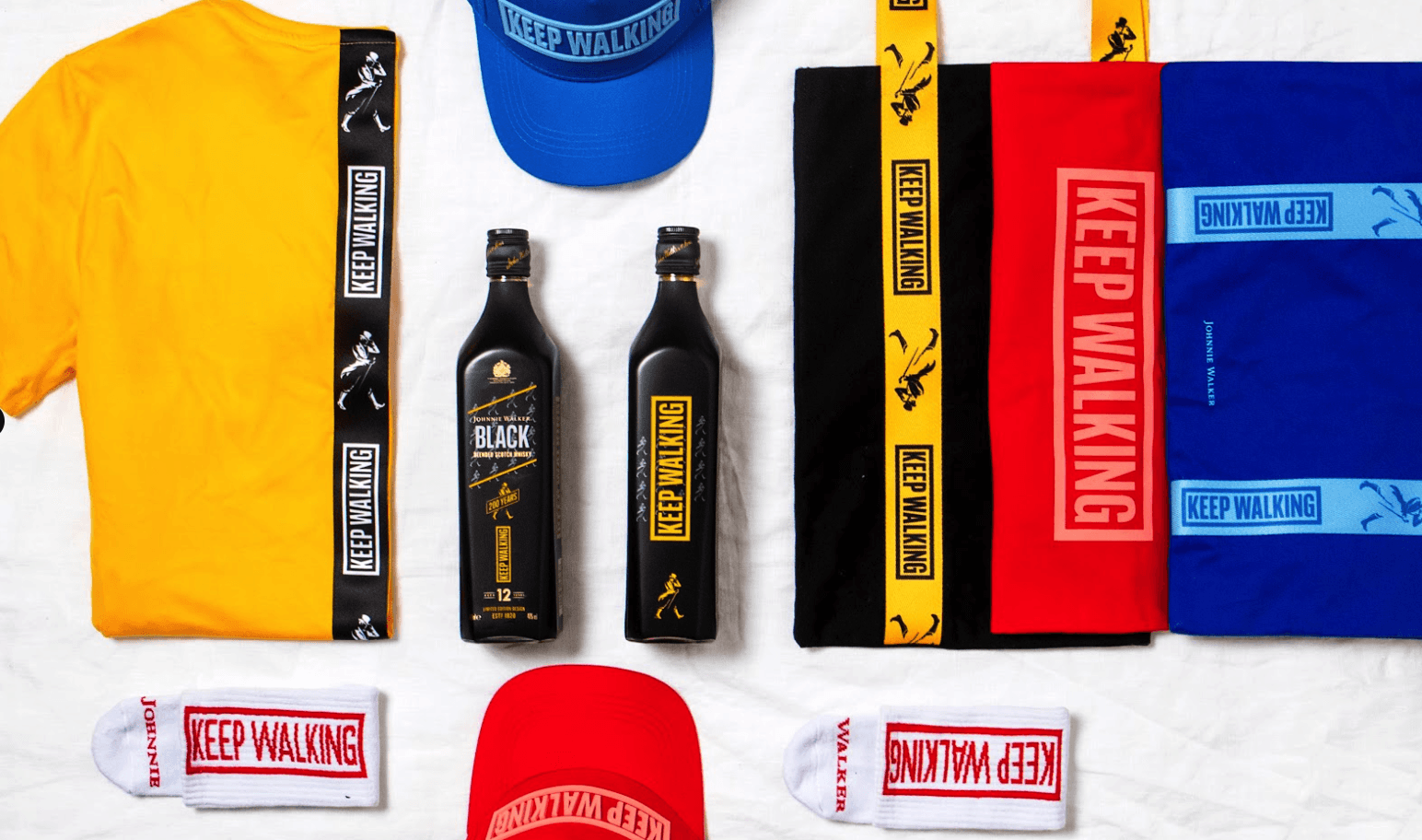
- Garment and gift bags. Taffeta linings and drawstring pouches give a structured, slightly luxe feel to packaging for premium apparel or gift sets, and they print cleanly with a logo.
- Lightweight jackets and shells. Nylon taffeta is a common shell and lining for packable windbreakers and event jackets, where low weight and water resistance matter more than warmth.
- Ribbons, lanyards, and trims. The crisp body and even color of taffeta make it a reliable choice for branded ribbons, sashes, and woven trims that need to hold a shape and a sharp edge.
Taffeta is a tightly woven plain-weave textile, traditionally silk and now often polyester or nylon, known for its crisp body and subtle luster.
5 tips to elevate your Taffeta strategy
| Tip | Steps |
|---|---|
| Pick the right fiber | Use polyester or nylon taffeta for merch durability and cost, save silk for small premium accents. |
| Plan for fraying | Finish or bind cut edges, since taffeta unravels fast at raw seams. |
| Mind the sheen | Match the shine level to the brand, a high gloss can read cheap on large surfaces. |
| Brand with care | Embroider or screen print on stable, lined areas rather than thin single-layer panels. |
| Store it flat | Keep taffeta goods flat or hung to avoid set-in creases that are hard to remove. |
Key Terminologies
Frequently Asked Questions
Is taffeta always made from silk?
No. Taffeta was traditionally silk, but most taffeta in production today is polyester or nylon, which cost less and hold up better to repeated use.
What is the rustling sound taffeta makes?
That sound is called scroop. It comes from the hard-twisted, tightly packed yarns rubbing together, and it is a hallmark of true taffeta.
Is taffeta a good fabric for branded apparel?
It works well for linings, packable shells, and bags rather than main body fabric. It is crisp and structured but not very breathable, so it suits outer and inner layers more than base layers.
Does taffeta wrinkle easily?
Silk taffeta creases and water-spots readily. Synthetic taffeta is more wrinkle-resistant and is the safer choice for merchandise that gets handled and shipped.
Can you print or embroider on taffeta?
Yes. Taffeta takes screen printing and embroidery well on stable, multi-layer areas. Avoid heavy stitching on thin single panels, since the fabric can pucker or show needle marks.