Definition
Tri-blend fabric is a textile woven or knitted from three fibers, usually cotton, polyester, and rayon. The mix is chosen to combine the best traits of each: the softness of cotton, the durability of polyester, and the drape of rayon. The result is a lightweight, slightly heathered material that feels broken-in from the first wear. That is why so many brands reach for it when they want a premium tee.
Definition
Tri-blend fabric is defined by its three-part fiber content, most often around 50% polyester, 25% cotton, and 25% rayon, though ratios vary by mill. Each fiber pulls its weight: polyester adds strength and shape retention, cotton brings breathability and comfort, and rayon gives the fabric its fluid, draping movement. A classic example is a vintage-style branded t-shirt. It feels thin and soft, drapes close to the body, and carries a subtle marled texture that solid cotton cannot match.
How tri-blend fabric works
Tri-blend fabric is made by spinning yarns from three fibers, then knitting them into a single jersey or similar light construction. Because each fiber dyes a little differently, the finished cloth takes on a faint heathered look even in a single color. That speckled depth is part of the appeal. It reads as casual and premium at the same time, which is hard to fake with a plain cotton knit.
The fiber ratio drives the feel. More rayon means more drape and a silkier hand, while more polyester adds durability and helps the fabric hold its shape through washing. Tri-blend usually lands light, often between 110 and 150 GSM, so it sits closer to the skin than a standard combed cotton tee. That lightness is a trade-off: the fabric feels luxurious but is more sheer, so color and print choices matter.
Decoration behaves differently on tri-blend than on pure cotton. The blended, slightly textured surface softens screen prints, which gives a worn-in, retro look many brands want. For crisp, high-contrast logos, DTG printing or a soft-hand ink works best. The stretch and recovery from the polyester and rayon also mean the garment moves with the wearer rather than fighting them.
Tri-blend fabric in branded merch
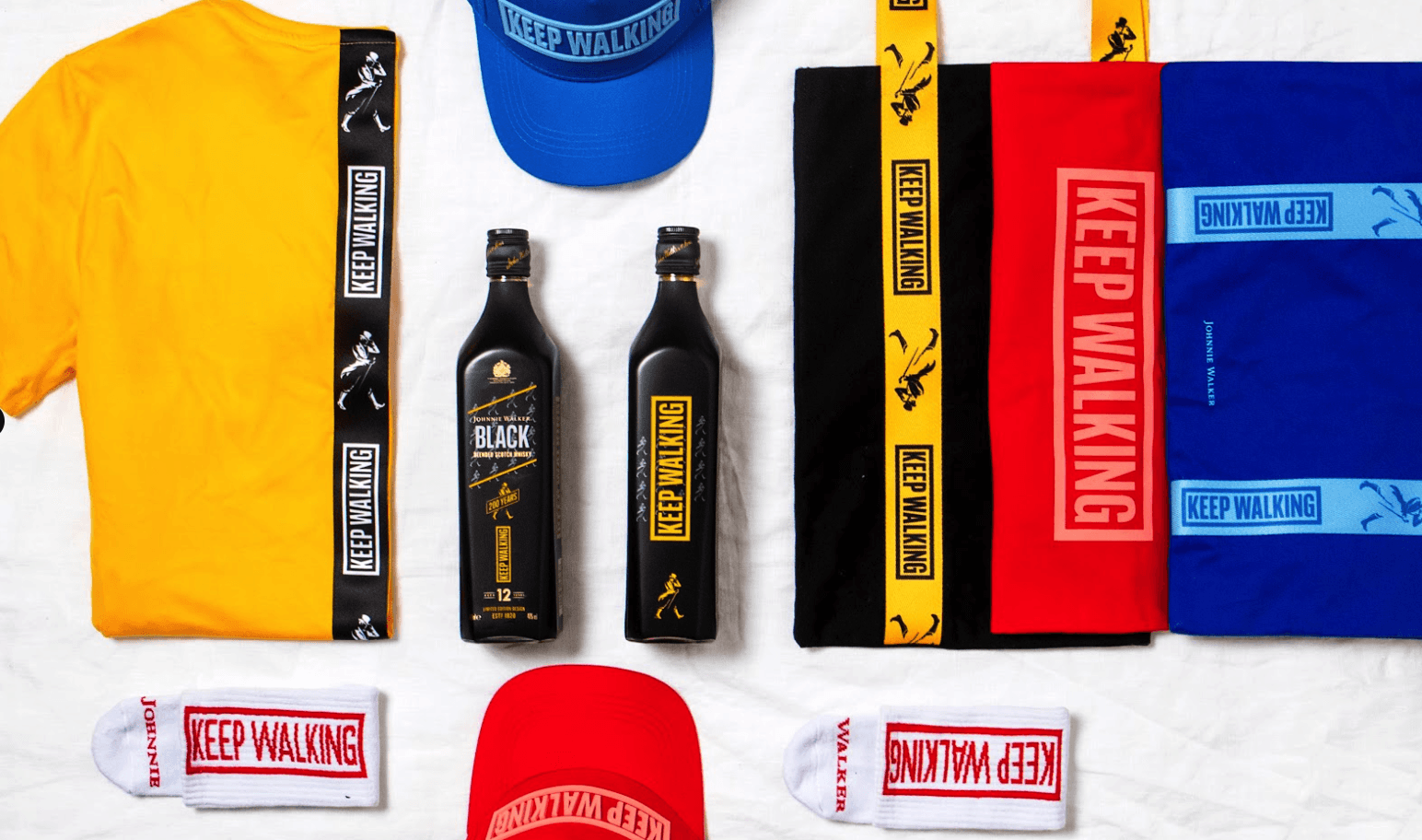
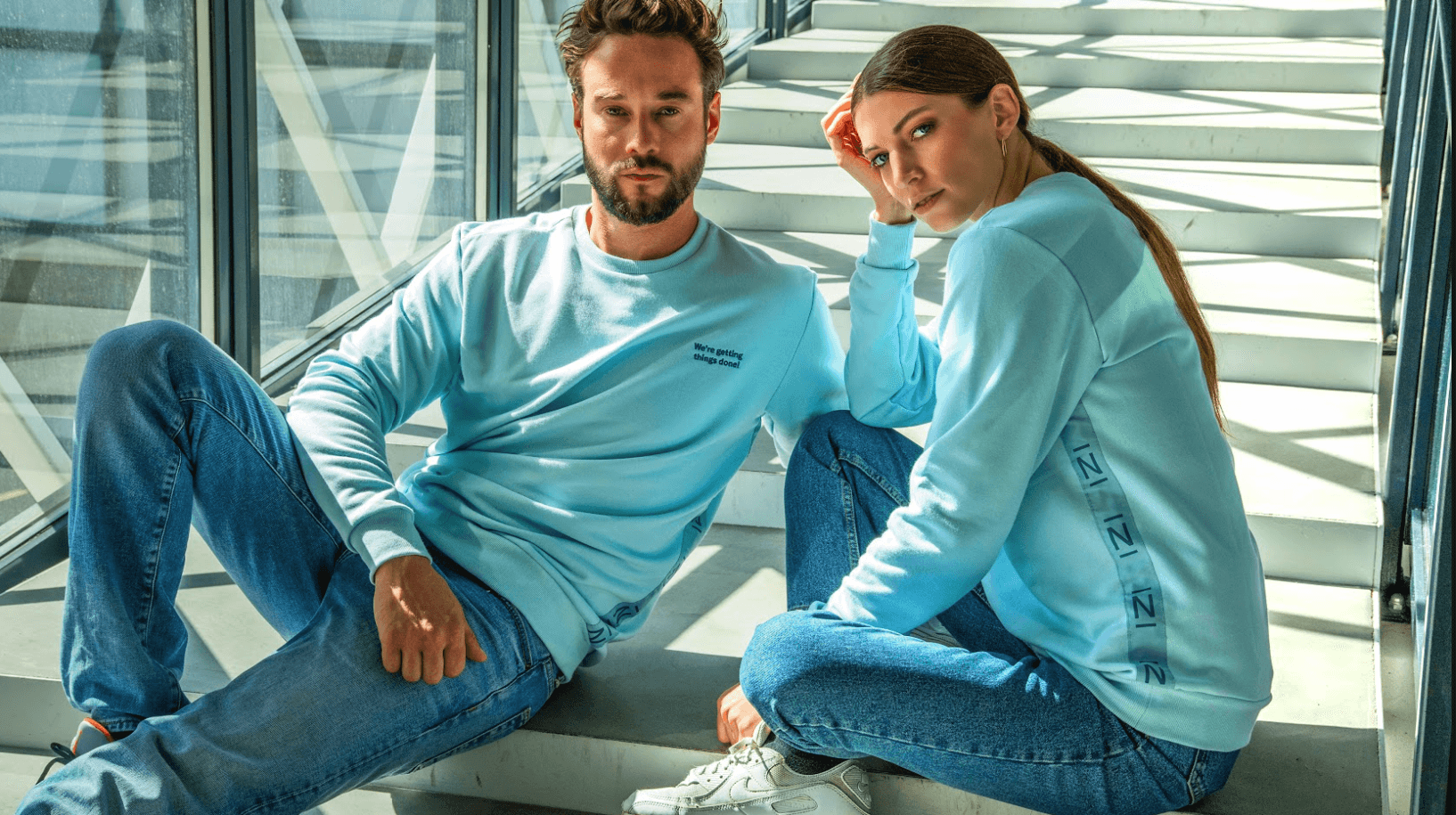
- Premium retail-style tees. Tri-blend gives merch the soft, lived-in feel of a favorite t-shirt people actually keep. The heathered surface signals quality without a logo doing all the work.
- Event and team apparel. The light weight and stretch make tri-blend comfortable to wear all day, which suits conferences, launches, and crew kits where comfort drives wear rate.
- Fashion-forward brand drops. When a brand wants merch that competes with retail, the vintage drape and subtle texture of tri-blend help a tee feel designed rather than promotional.
Tri-blend fabric is a three-fiber blend of cotton, polyester, and rayon, prized for its soft hand, light weight, and relaxed drape.
5 tips to elevate your Tri-blend fabric strategy
| Tip | Steps |
|---|---|
| Check the fiber ratio | Ask for the exact cotton, polyester, and rayon split before ordering |
| Plan for sheerness | Choose darker colors or relaxed fits since the fabric is light |
| Match print to look | Use soft-hand inks for the retro effect, DTG printing for sharp detail |
| Wash gently | Cold wash and air dry to protect the rayon and keep the drape |
| Order samples first | Feel the weight and stretch before committing to a full run |
Key Terminologies
Frequently Asked Questions
What is tri-blend fabric made of?
Tri-blend fabric is made of three fibers, typically cotton, polyester, and rayon. A common ratio is around 50% polyester, 25% cotton, and 25% rayon, though mills adjust the split to change feel and durability.
Why is tri-blend more expensive than cotton?
Tri-blend costs more because it combines three fibers and a more involved spinning process. The payoff is a softer hand, a lighter weight, and a draped, retail-quality feel that plain cotton struggles to match.
Is tri-blend fabric good for printing?
Yes, with the right method. The textured surface softens screen prints for a vintage look, while DTG and soft-hand inks deliver sharper detail. Choose the method based on whether you want a worn-in or crisp result.
Does tri-blend fabric shrink?
Tri-blend resists shrinking better than pure cotton because the polyester content stabilizes the fabric. Some shrinkage is still possible, so washing cold and air drying helps the garment keep its size.
Is tri-blend fabric see-through?
It can be. Because tri-blend is light, often 110 to 150 GSM, lighter colors can read slightly sheer. Darker shades and relaxed fits reduce this, so factor it into color choices.