Definition
Twill is a type of fabric weave recognized by the diagonal ribbed lines running across its surface. That structure makes twill strong, dense, and good at hiding stains and wrinkles, which is why it shows up in chinos, caps, and workwear.
Definition
Twill is not a fiber, it is a weave pattern. The weft thread passes over one or more warp threads, then under two or more, with each row stepped sideways. This builds the diagonal line you can see and feel. Denim and gabardine are common twills, and so is the cotton twill used in classic chinos. Run a finger across a pair of chinos and you can feel the slight diagonal ridges that mark the weave.
How twill works
The diagonal interlacing packs threads tightly, so twill resists tearing and abrasion better than a plain weave of the same weight. The structure also gives twill a softer drape and more flexibility, since the diagonal allows the fabric to move. Fewer interlacing points mean a smoother face that takes a clean print or embroidery well.
Twill hides dirt and creases thanks to its textured, broken surface, which is part of why it became a staple for workwear and uniforms. It can be woven from cotton, polyester, wool, or blends, so it spans casual chinos to structured jackets. The weave direction and angle change the look, from a steep, defined line to a softer, flatter one.
The trade-offs are weight and detail. Twill tends to be heavier than plain-weave shirting, and the diagonal can show wear or fading along the ridges over time. Very fine print detail can be slightly broken up by the textured surface. For merch, twill is the go-to when you want durability and a structured, premium feel rather than a lightweight tee.
Twill in branded merch
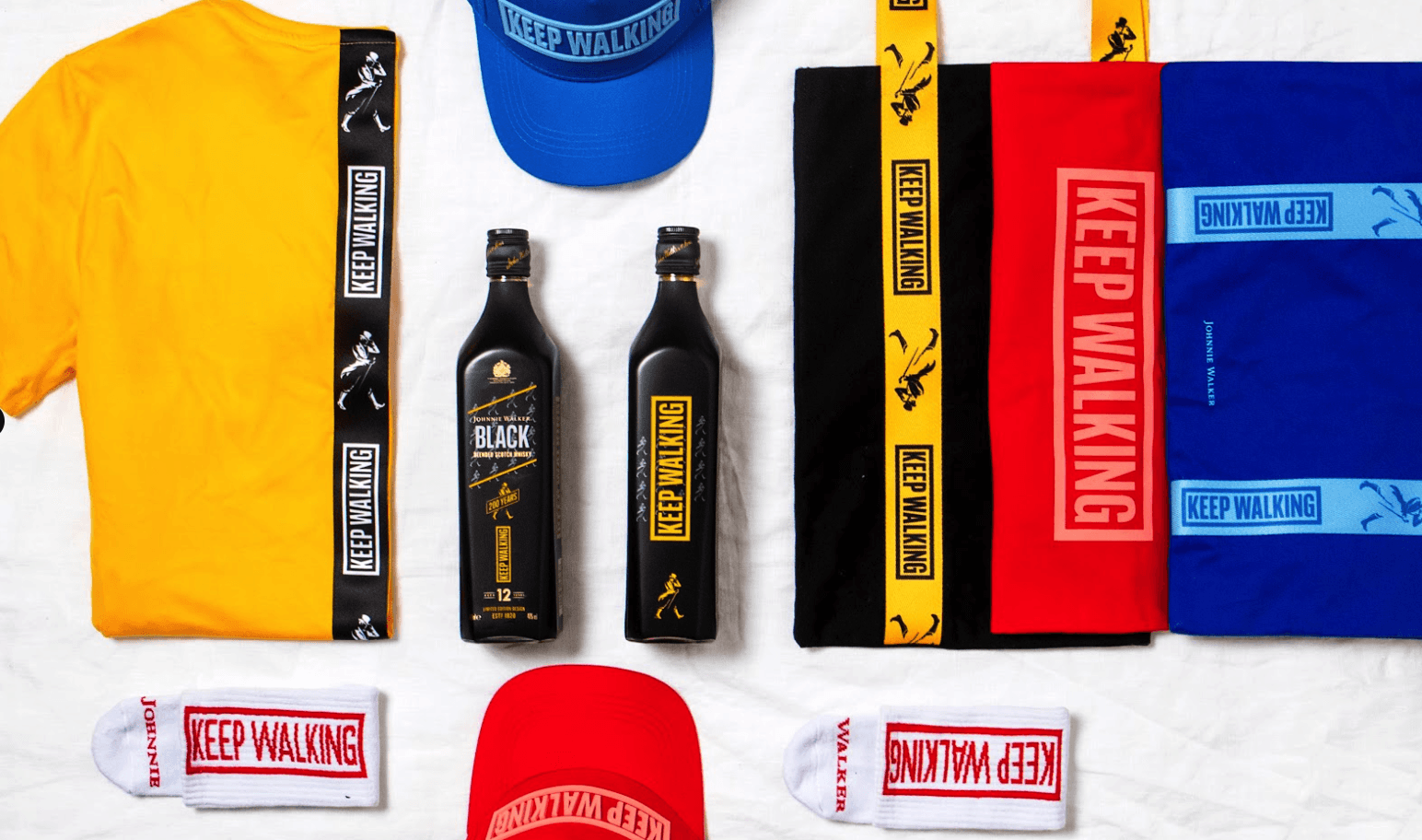
- Caps and headwear. Cotton twill is the classic fabric for structured baseball caps, holding shape and taking crisp embroidery for logos.
- Chinos and workwear. Branded twill trousers, aprons, and jackets give staff a durable, smart uniform that survives daily use.
- Premium tote bags. Heavyweight twill totes feel substantial and structured, making them a keepsake gift rather than a flimsy giveaway.
Twill is a fabric weave with a distinctive diagonal rib, valued for durability, drape, and a clean structured look.
5 tips to elevate your Twill strategy
| Tip | Steps |
|---|---|
| Match weight to use | Choose lighter twill for shirts and aprons, heavier for jackets and bags. |
| Pick decoration wisely | Embroidery suits twill's texture better than ultra-fine prints. |
| Mind the weave direction | Note the diagonal angle so cut pieces and logos align neatly. |
| Pre-shrink cotton twill | Specify washed or pre-shrunk twill to limit shrinkage after the first wash. |
| Use blends for stretch | Add a little elastane for chinos that move with the wearer. |
Key Terminologies
Frequently Asked Questions
Is twill a fabric or a weave?
Twill is a weave, not a fiber. It describes how threads interlace to form a diagonal pattern, and it can be made from cotton, polyester, wool, or blends.
Why is twill so durable?
The diagonal interlacing packs the threads tightly, which helps twill resist tearing and abrasion better than a plain weave of similar weight.
What products are made from twill?
Chinos, caps, jackets, aprons, work trousers, and tote bags are common twill items, along with denim, which is itself a twill.
Does twill wrinkle easily?
Less than many fabrics. The textured diagonal surface helps hide creases, which is one reason twill is popular for uniforms and travel-friendly clothing.
Is twill good for embroidery and printing?
Yes. Its smooth, dense face takes embroidery very well and handles most prints, though very fine detail can be slightly softened by the texture.