
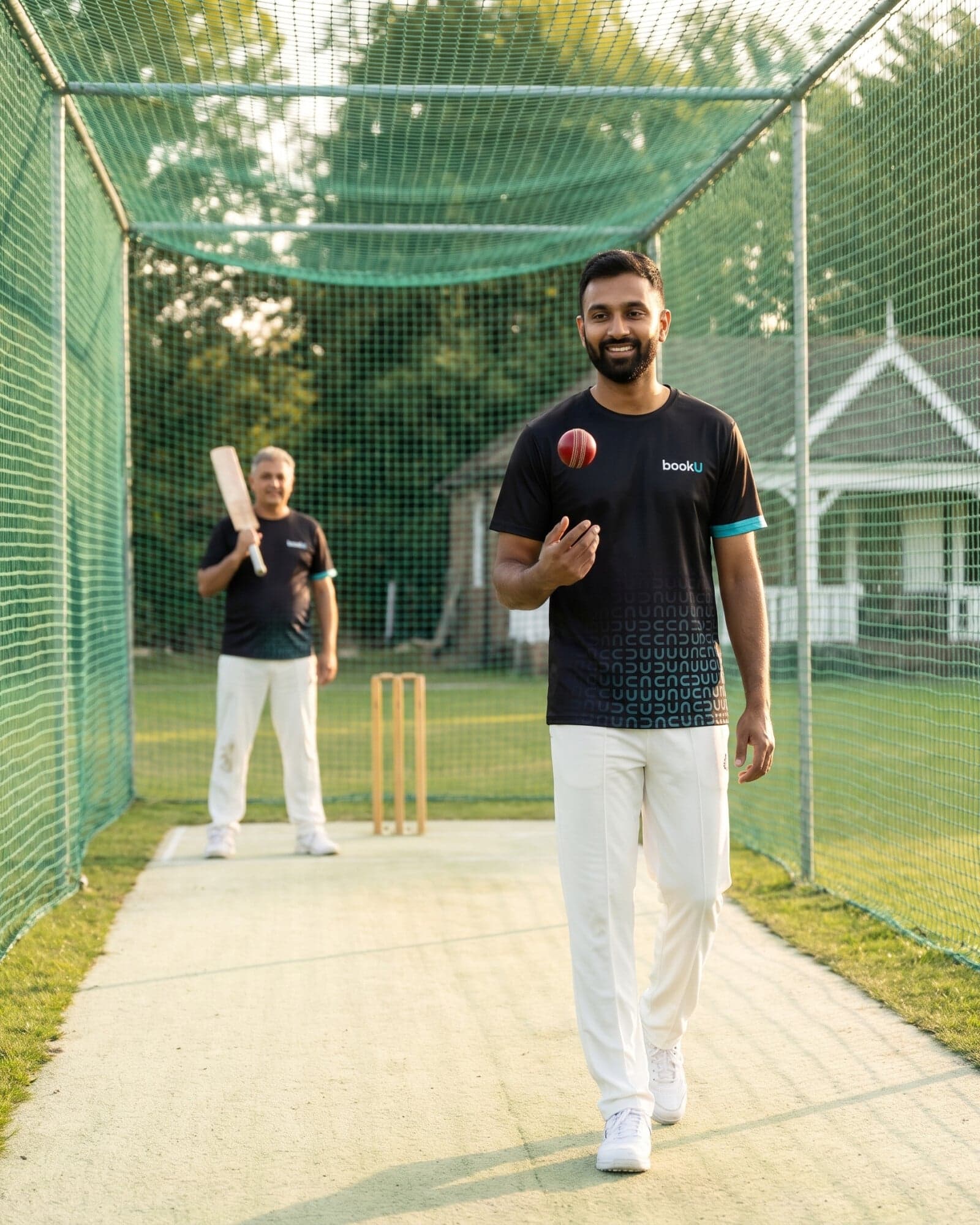
Custom technical t-shirts are sport shirts in performance polyester that pull sweat away from the skin and dry fast, printed with your logo or a full team design. Many people call them custom dri-fit shirts, after Nike's brand name for the fabric. At Sunday you order them from 25 pieces: a stock sport shirt with your logo at €8.26 per piece, ready in 18 days, or a fully sublimated custom shirt made in the EU in 28 days.
The fabric, the cut and the decoration method decide whether a shirt still looks sharp after fifty washes or fades after five. This guide covers what to pick and why. For the full range, start at the custom sportswear page or read the complete guide to custom sportswear.
What makes a t-shirt technical
A cotton t-shirt soaks up sweat and holds on to it. It gets heavy, sticks to your back and stays wet long after the run. A technical shirt does the opposite. Polyester fibres absorb very little water, so sweat travels along the fibres to the outside of the fabric. There it spreads out and evaporates. That is what moisture wicking means.
Three things make it work:
- Fibre. Polyester, sometimes blended with a little elastane for extra stretch.
- Knit. A smooth technical knit or a fine mesh lets air through and moves moisture outward.
- Weight. Our sport shirts use 140 GSM polyester. Light enough to run in, solid enough to keep its shape.
The result is a shirt that dries in minutes, not hours, and stays light during a long training session or a summer company run.
Polyester vs recycled polyester
Virgin polyester is made from oil. Recycled polyester, often called rPET, is made from used plastic, mostly bottles, that is melted down and spun into new yarn. For the person wearing the shirt, the difference is hard to feel.
| Polyester | Recycled polyester | |
|---|---|---|
| Moisture wicking | Yes | Yes |
| Quick dry | Yes | Yes |
| Takes sublimation | Yes, full colour | Yes, full colour |
| Raw material | New yarn from oil | Used plastic |
| Best for | Widest choice | Brands with sustainability goals |
Our custom sublimated shirts also come in recycled polyester versions. If your company reports on sustainability or your event has a green theme, it is an easy choice. Read more in sustainable sportswear: recycled and eco options.
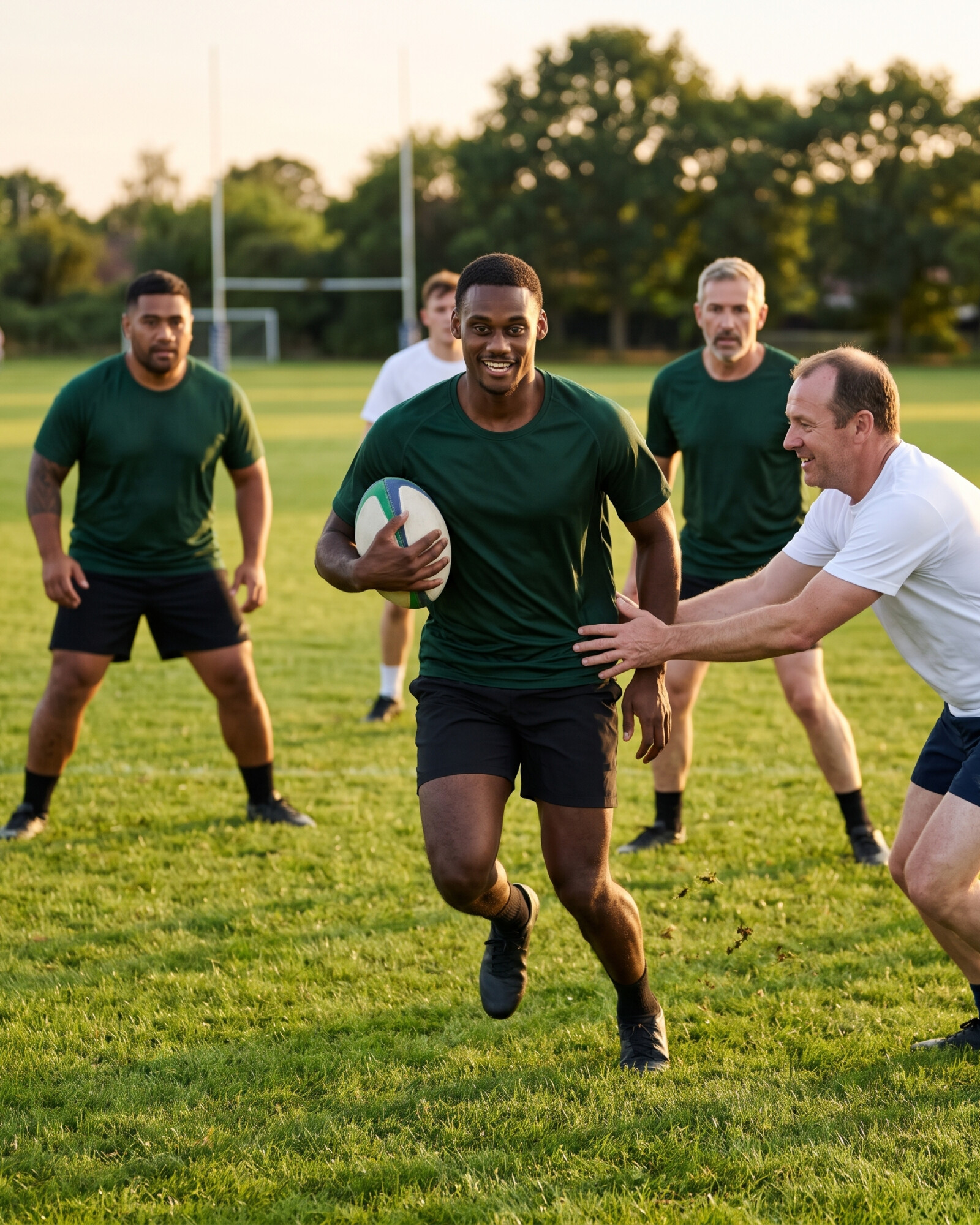
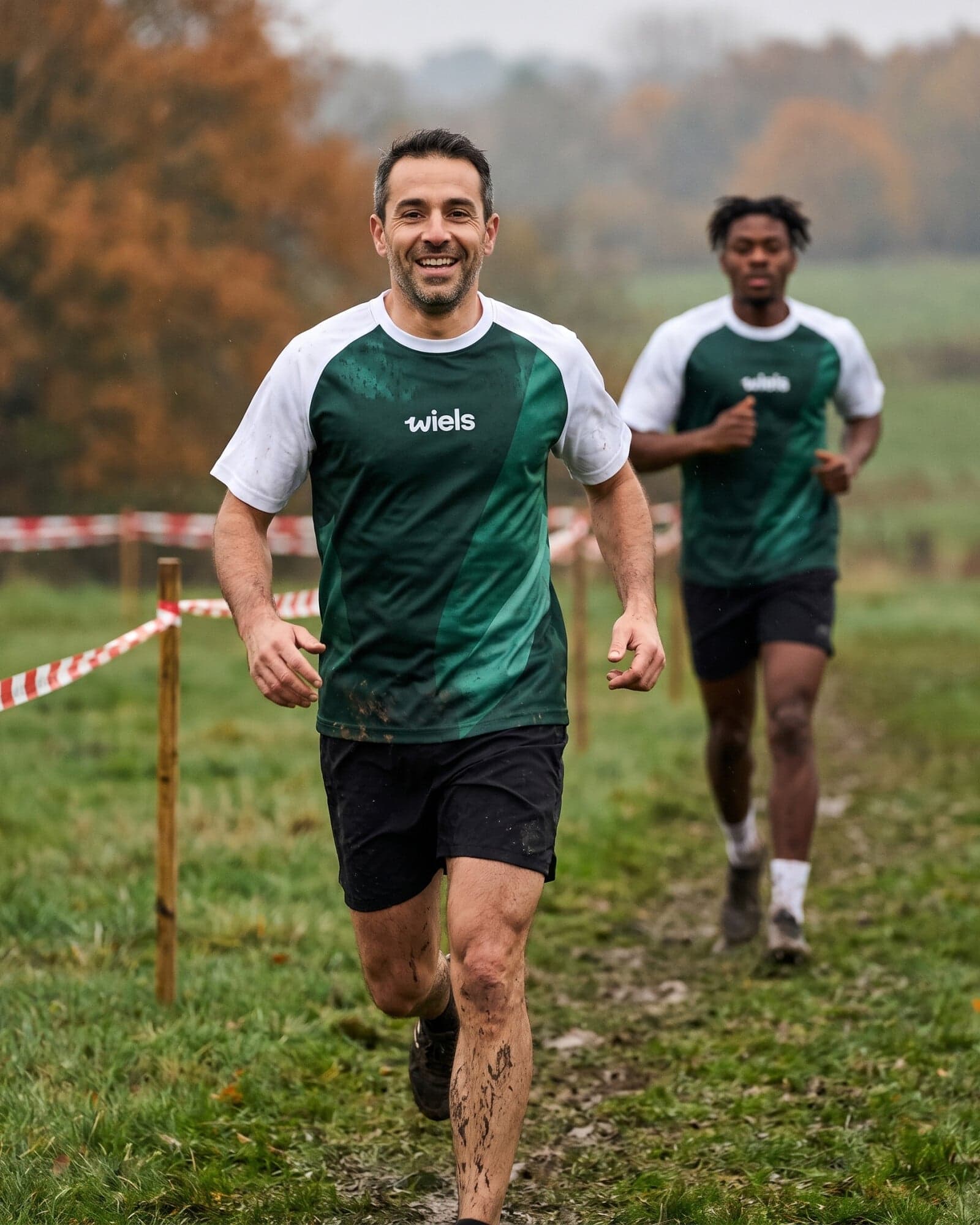
The Kevin: a stock raglan sport shirt in 140 GSM polyester, with your logo from 25 pieces.
Fit types: crew neck, v-neck, raglan, long sleeve and women's fit
The right cut depends on the sport and on who wears it. A shirt that fits badly stays in the drawer, no matter how good the logo looks.
- Crew neck. The classic. Works for running, padel, fitness and most team sports. The Oliver is our crew neck custom shirt, in sizes XXS to 5XL.
- V-neck. A bit more airflow at the neck and a sharper look. Popular for football and for staff teamwear.
- Raglan. The sleeve seam runs diagonally from the underarm to the collar. That frees the shoulders for throwing, swinging and sprinting. The Kevin (stock) and the Burton (custom) are both raglan shirts.
- Long sleeve. For winter runs, early morning events and cycling. Same fabric, more coverage.
- Women's fit. Shaped through the waist, with ergonomic lines that stay comfortable all session. The Mendez is our women's sport shirt, in sizes XXS to 5XL.
Don't hand unisex shirts to a mixed team and hope for the best. Mixing cuts in one order is fine. A company run team can wear crew necks and women's fits in the same design, so everyone looks like one team and feels comfortable.
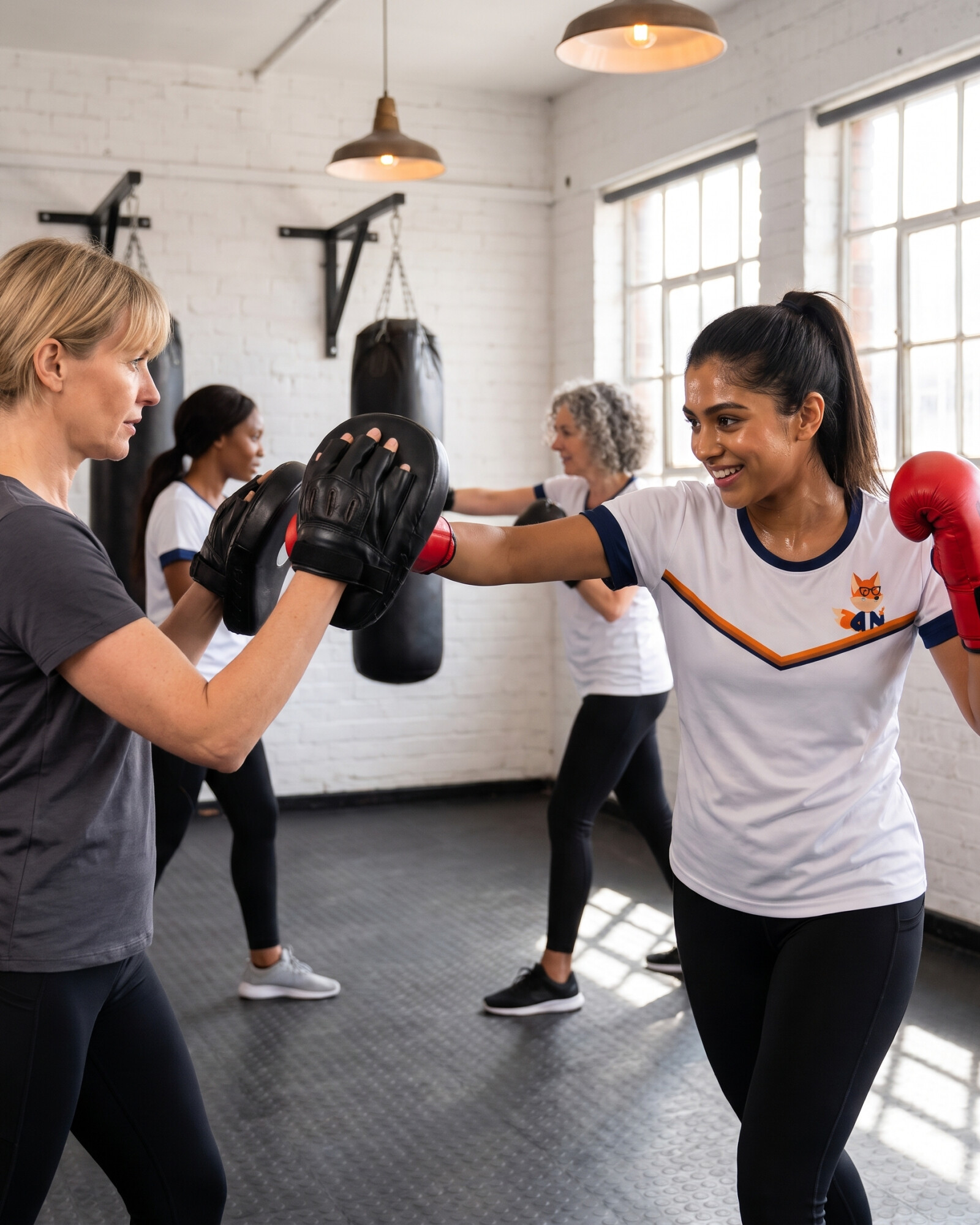
The Mendez: a women's fit sport shirt, sublimated edge to edge.
Sublimation vs transfer vs embroidery on technical fabric
This is where most sport shirts go wrong. Technical fabric is thin, stretchy and sensitive to heat. Not every decoration method treats it well.
Sublimation
With sublimation, ink turns into gas under heat and bonds with the polyester fibres. The design becomes part of the fabric. There is no layer on top, so the shirt stays as light and breathable as before, and the print cannot crack or peel. You can print edge to edge: patterns, gradients, names and numbers on every panel. It only works on polyester with a light base, which is why it is the standard for fully custom team shirts.
Transfer
A heat transfer is a printed film pressed onto the shirt. It is the fastest way to add a logo, a name or a number to a stock shirt, and it suits small runs. The trade-off is that the film sits on top of the fabric, so that area breathes less. Keep transfers modest on a technical shirt, like a chest logo or a back number, and avoid big solid blocks across the back.
Embroidery
Embroidery looks premium on a polo, a jacket or a cap. On a 140 GSM sport shirt it is usually the wrong choice. The stitching adds weight, it can pucker the stretchy fabric, and the back of the embroidery can rub the skin during a run. If you want stitching, put it on a heavier piece like a windbreaker and keep the shirt printed.
| Method | Feel | Breathability | Durability | Best for |
|---|---|---|---|---|
| Sublimation | None, part of the fabric | Unchanged | Cannot crack or peel | Fully custom team shirts |
| Transfer | Thin layer | Lower on the printed area | Good with the right care | Logos, names and numbers on stock shirts |
| Embroidery | Raised and stiffer | Lower | Very durable | Heavier pieces, not thin shirts |
For a deeper comparison, see printing vs embroidery on custom sportswear.
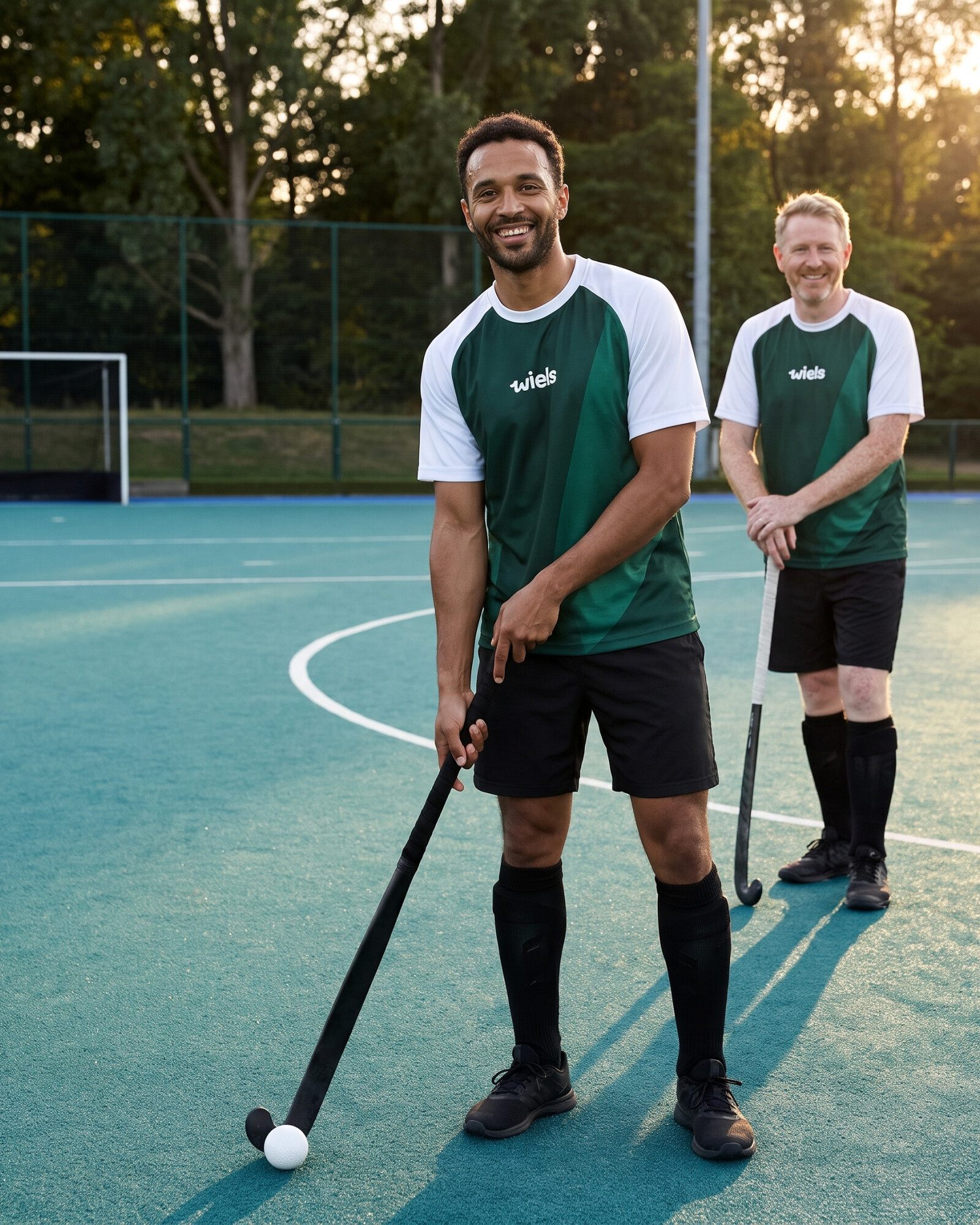
The Burton: raglan sleeves and a sublimated design on every panel.
Wash care that keeps technical shirts looking new
Good fabric and good printing still need the right wash. Share these rules with your team, or add them on a card in the box:
- Wash at 40°C at most, inside out, with similar colours.
- No bleach and no dry cleaning.
- No tumble dryer. Technical shirts dry on a hanger in an hour or two anyway.
- Skip fabric softener. It coats the fibres and blocks the wicking.
- Iron inside out at 150°C at most, and never iron directly on a print.
Heat is the main enemy. A hot dryer or iron can soften transfers and leave shiny marks on polyester. A sublimated print copes far better, because the colour sits inside the fibre.
Stock or fully custom: which technical shirts to order
There are two routes, both from 25 pieces:
- Stock sport shirt with your logo. The Kevin, 100% polyester, €8.26 per piece at every quantity, ready in 18 days. Best for company runs, events and quick team orders.
- Fully custom sublimated shirt. The Oliver, Mendez, Burton or Robert, in your colours and pattern, with v-neck, raglan, long sleeve and women's fits. Made in the EU in 28 days, with recycled polyester versions available. The price per piece shows live in your free account.
Planning a big run? From 300 pieces, custom shirts can be produced in Turkey in 63 days at a lower price per piece. More on quantities and tiers in custom sportswear in bulk.
Complete the kit with sports shorts, leggings, sports socks or a windbreaker from the catalog. Want to see your design first? Try the free sportswear mockup generator.
Custom technical t-shirts: questions answered
What is the minimum order for custom technical t-shirts?
25 pieces, both for the stock sport shirt with your logo and for fully custom sublimated shirts.
Are custom dri-fit shirts the same as technical t-shirts?
In practice, yes. Dri-fit is Nike's brand name for moisture wicking polyester. Any technical shirt in performance polyester does the same job.
Which printing method lasts longest on technical fabric?
Sublimation. The ink bonds with the polyester fibres, so it cannot crack, peel or block airflow.
Is recycled polyester as good as normal polyester?
For wicking, drying and sublimation, yes. The main difference is the raw material: used plastic instead of new yarn made from oil.
How fast are custom technical t-shirts delivered?
18 days for the stock shirt with your logo, 28 days for fully custom shirts made in the EU, and 63 days for large runs from 300 pieces made in Turkey.
More on custom running and sports shirts
- custom running shirts
- custom sports t-shirts
- corporate run shirts
- custom team jerseys
- custom sportswear
- custom sportswear in bulk
See your technical shirts in 30 seconds
Create a free account, add your logo and see your sport shirts in your colours, with live prices per piece. From 25 pieces.
Get free designs