


Dealer marketing is what a manufacturer does to help independent dealers sell more in their own local markets. A dealer marketing program packages that help into something repeatable: approved assets, co-branded campaigns, funding and physical merchandise. Programs succeed on adoption, not on asset quality, so the design goal is removing effort from the dealer.
What's in this guide
What a dealer marketing program actually is
A dealer marketing program is the set of things a manufacturer gives independent dealers so those dealers can generate demand locally. In most companies it has grown organically and now contains some combination of the following.
- A partner portal with logos, imagery, product sheets and brand guidelines.
- Market development funds or co-op advertising budgets the dealer can claim against.
- Campaign kits released quarterly, usually as templates the dealer must adapt.
- Point-of-sale materials, showroom displays and exhibition equipment.
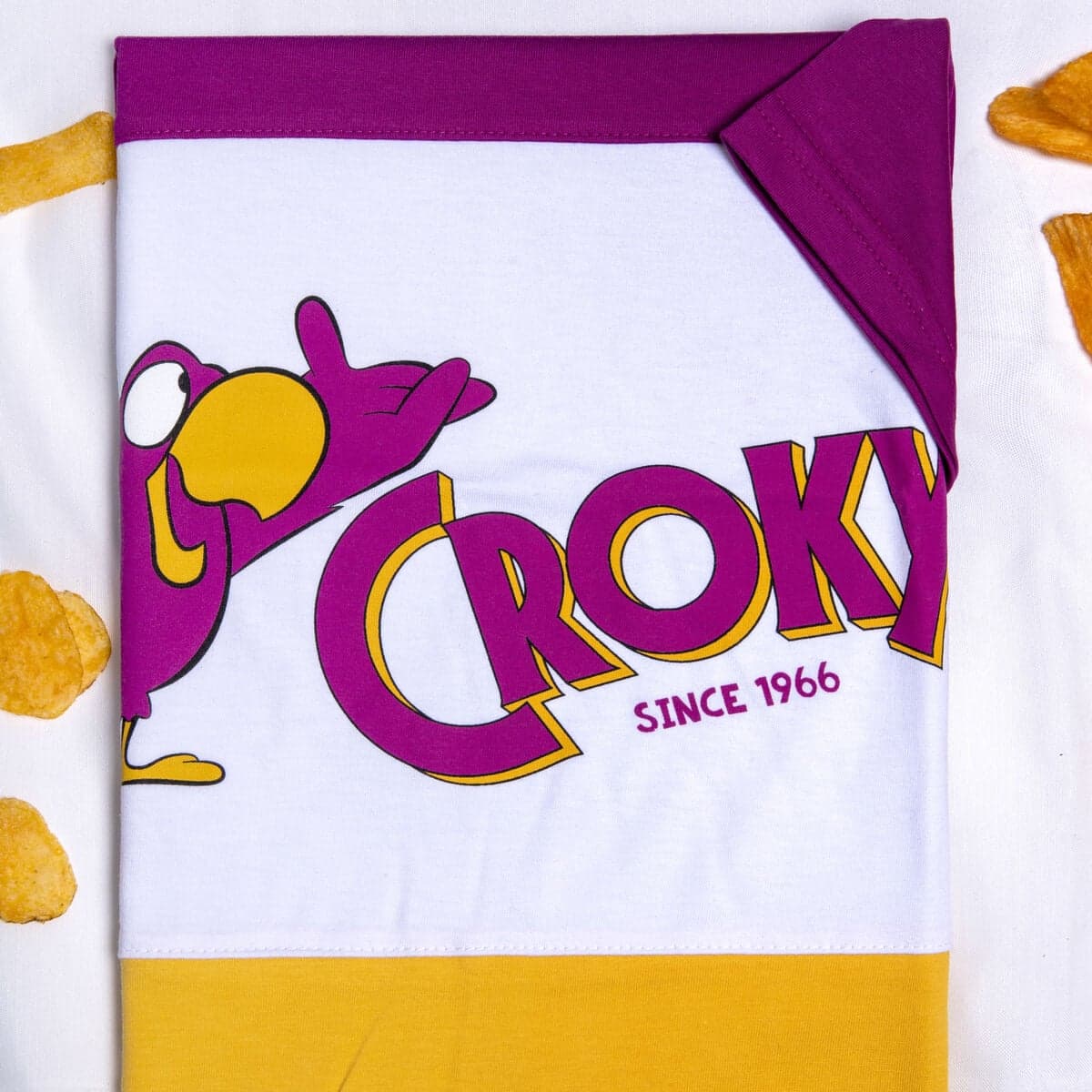
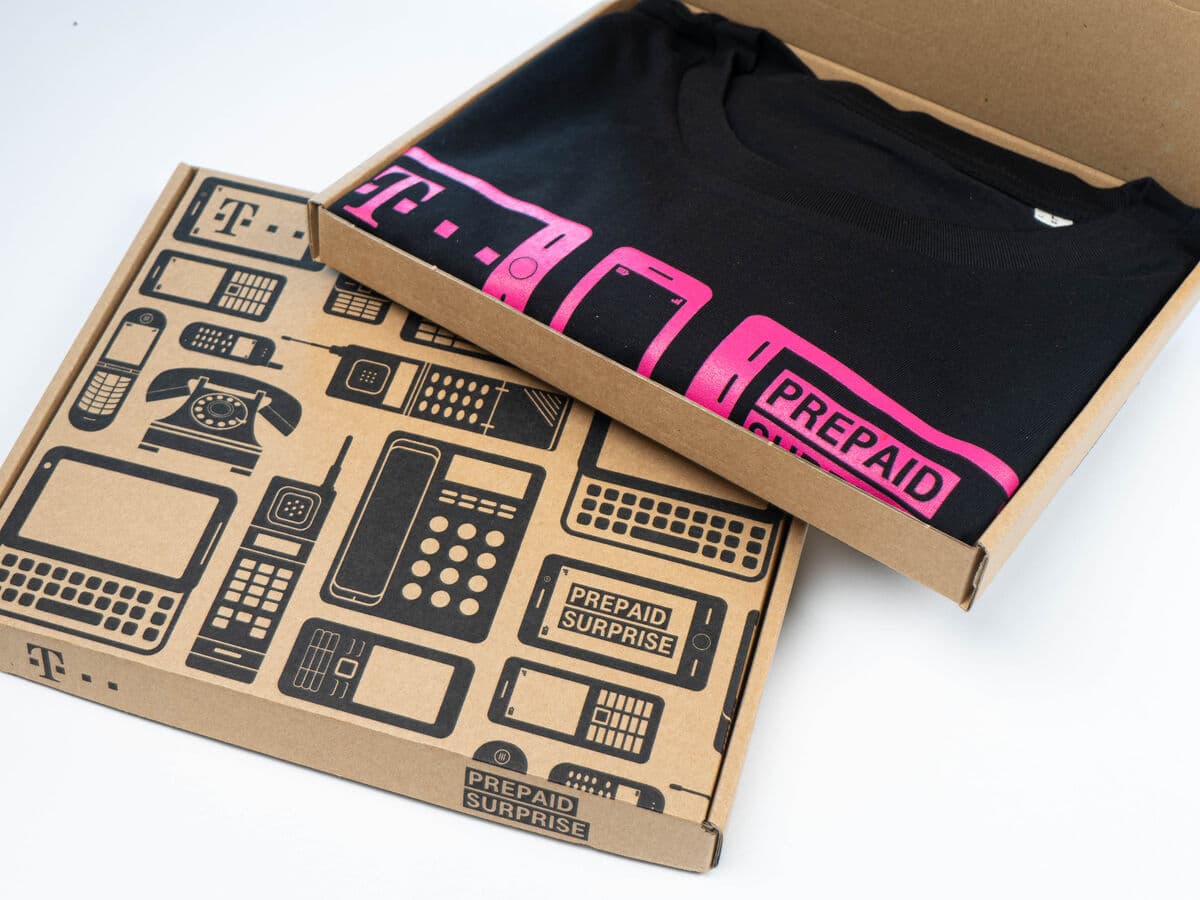
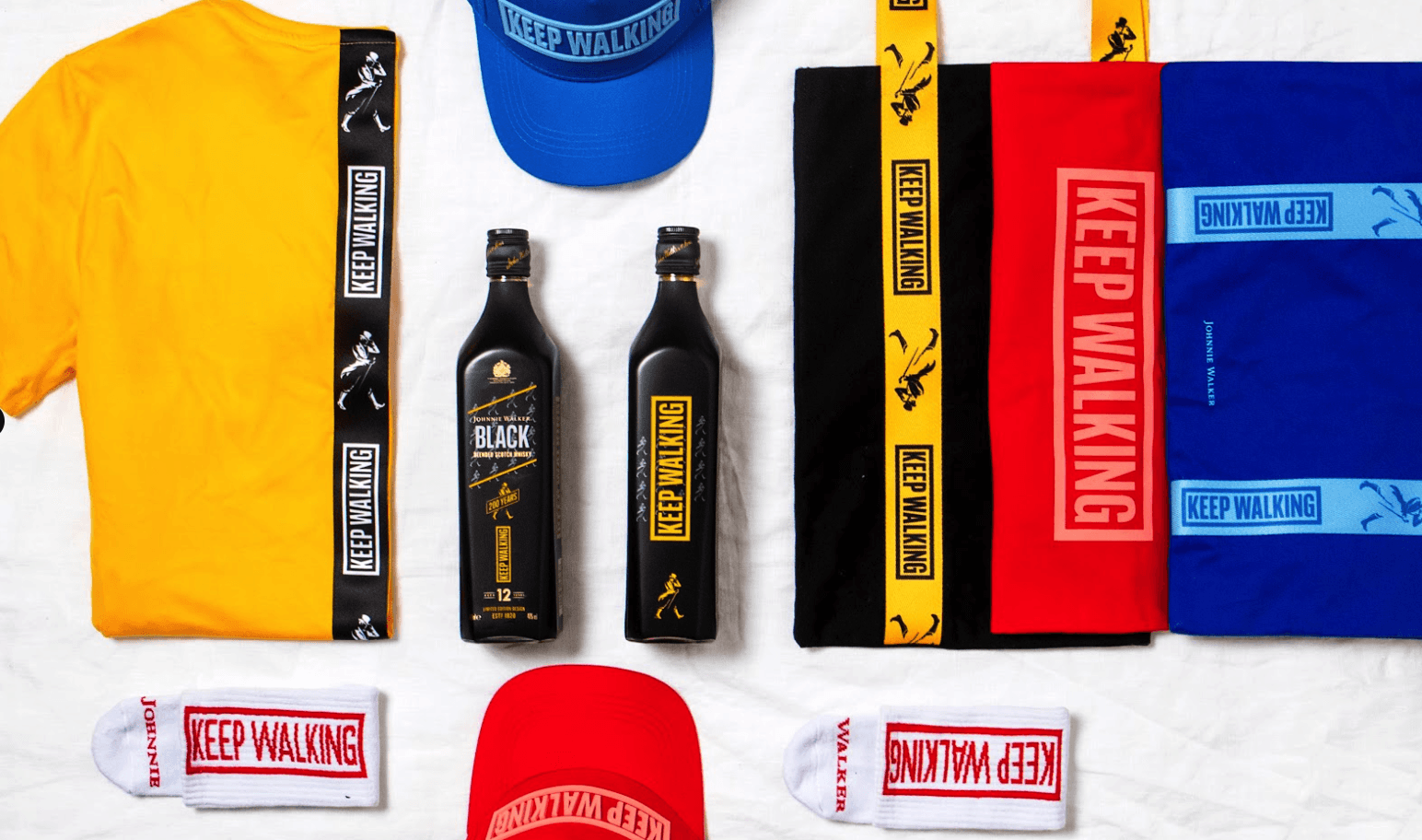
- Branded clothing for showroom staff, field engineers and installation teams.
Nothing on that list is wrong. The problem is that all of it is supply. A dealer marketing program is only real when a dealer in a specific town, on a specific Tuesday, actually does something with it. Everything else is an asset library with a login screen.
Why most dealer marketing programs underperform
The uncomfortable truth sits in one line: making marketing available does not necessarily mean partners will use it. There are five recurring reasons, and none of them are about creative quality.
The dealer has no marketing capacity. A typical independent dealer has no marketing hire. The person who would run your campaign is also doing quotes, scheduling installations and answering the phone. Anything that takes an afternoon does not happen.
Your brand is one of several. Dealers routinely carry three, four or five competing lines. Your quarterly campaign kit lands next to three other quarterly campaign kits. The one that gets used is the one that needs the least work, not the one with the best positioning.
Templates require skills the dealer does not have. An editable file assumes someone who can edit it correctly. Give a non-designer a layered template and you get either nothing or a stretched logo. Both outcomes are bad, and the second is worse.
The funding process outlasts the campaign. Market development funds are a good idea implemented badly almost everywhere. Pre-approval, proof-of-use, invoices, claim windows, reimbursement in the next quarter. A dealer with thin working capital simply will not front the cost. The cooperative advertising guide covers how to structure funds so they are actually drawn down.
Nobody defined what good looks like. Dealers are not withholding effort out of spite. Many genuinely do not know what a strong local activation is for your category. Absent a clear example, they default to nothing.
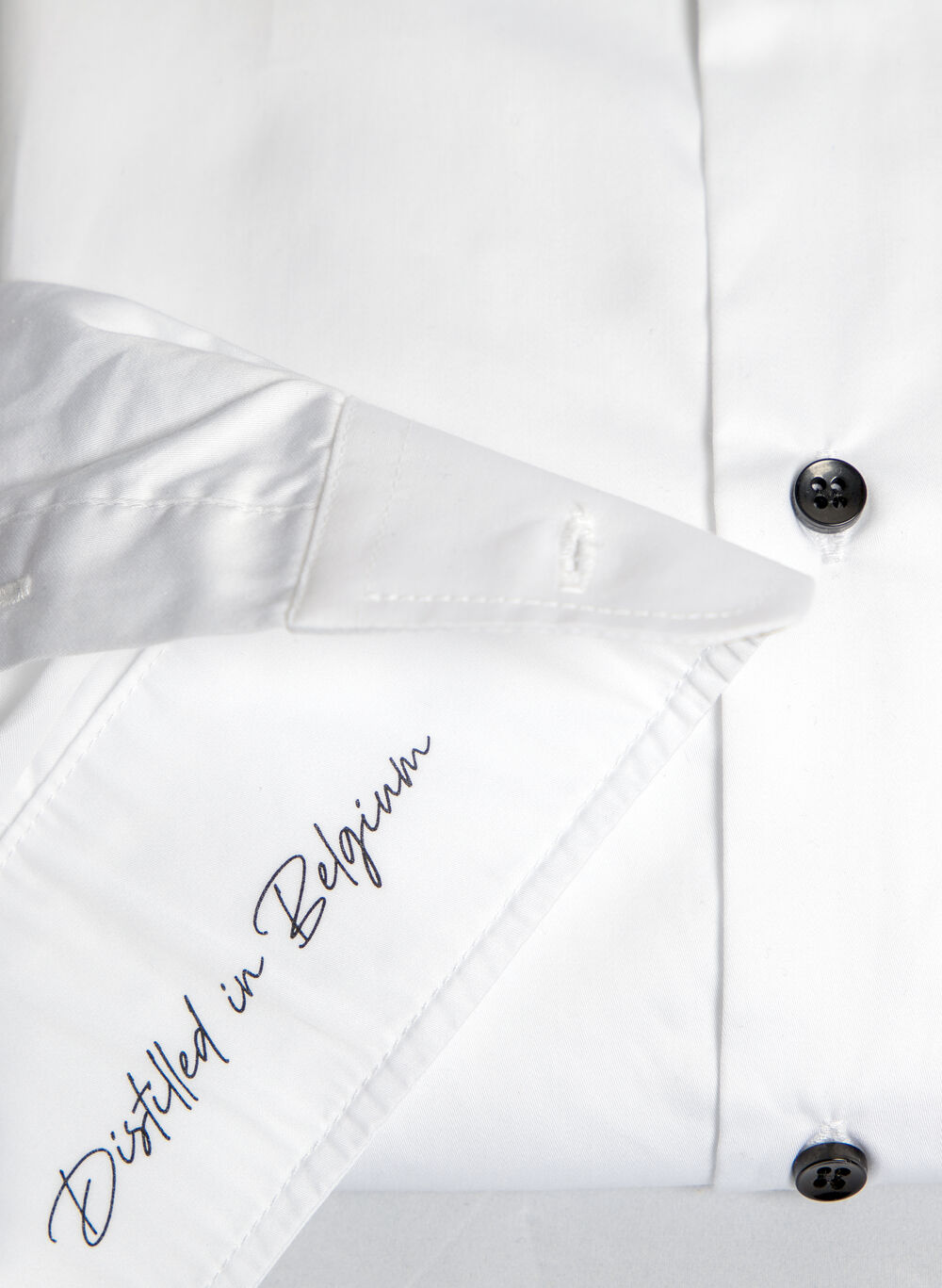
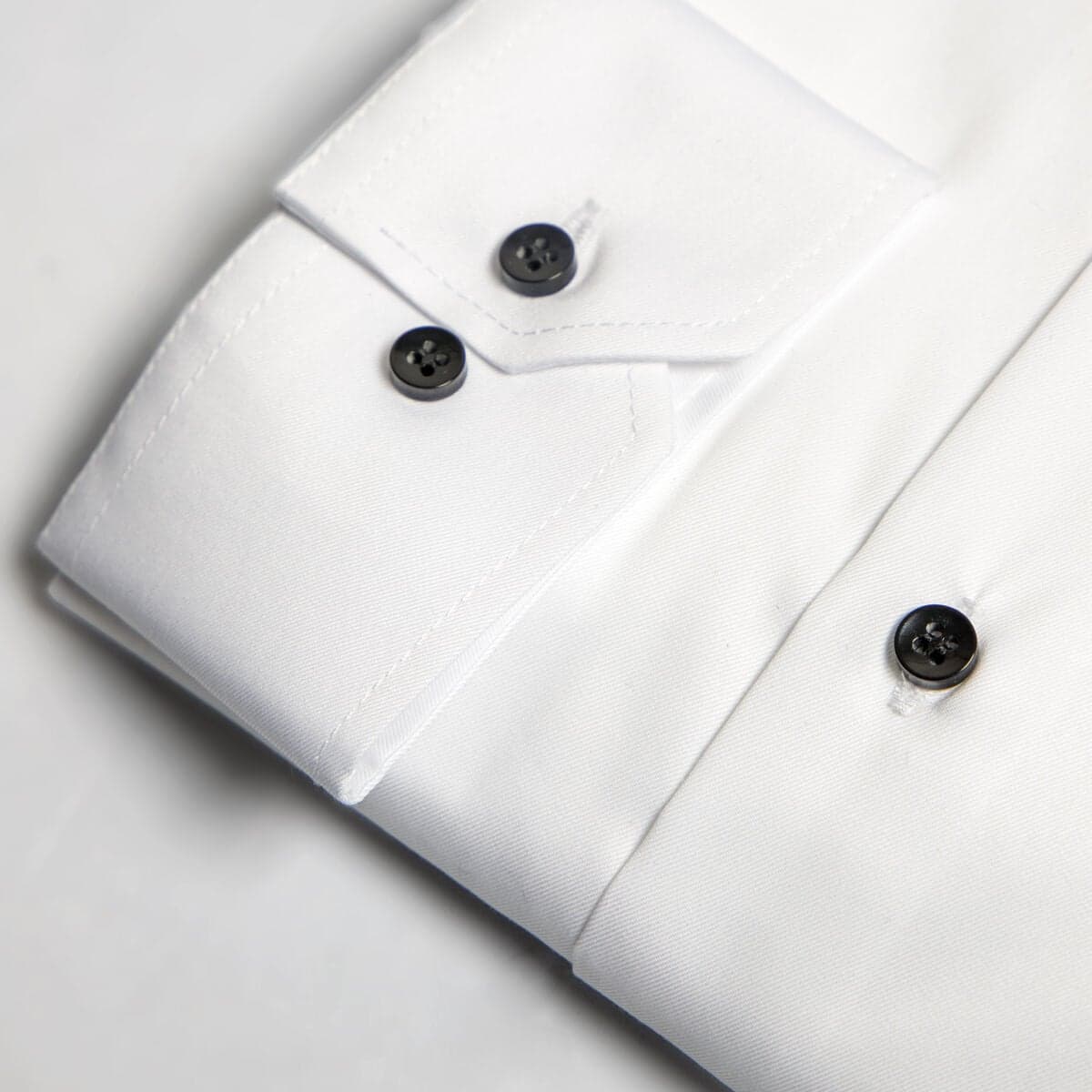
Brand-approved by construction. When the artwork, placement and finishing are fixed in the product, a dealer cannot get it wrong and does not need a designer to get it right.
What Stanley Black & Decker reported
The clearest published example of removing dealer effort comes from the MTD Benelux business inside Stanley Black & Decker, working with around 150 local resellers.
Rather than distributing campaign assets and asking resellers to build local versions, the programme generated co-branded campaign pages for each reseller automatically. The reseller did not brief anything, adapt anything or approve anything. Their version existed.
Impartner's Stanley Black & Decker case study reports a 163% increase in reseller-generated leads, a 49% reduction in cost per lead, and 100% programme adoption.
The adoption number is the interesting one. Channel programmes normally report adoption in the twenties or thirties and call it a success. Full adoption is only achievable when participating costs the partner essentially nothing, which is a design outcome rather than a persuasion outcome. The automation side of this is covered in through channel marketing automation.
What Ariens reported
Ariens makes outdoor power equipment and sells through roughly 300 dealers. Rather than solving one channel problem, the company built a central dealer marketing environment covering the whole set: point-of-sale materials, advertising, sales materials, co-branded artwork, exhibition materials and branded clothing.
ROI360's Ariens case study reports that point-of-sale materials were used in three times more dealerships after implementation.
Two things stand out. First, the outcome is measured in dealerships using the material, which is an adoption metric rather than a volume metric. Second, branded clothing sits in the same environment as the artwork and the exhibition stands. It is not a separate procurement exercise handled by a different team on a different system, which is exactly how most manufacturers still run it.
The pattern in both
Two manufacturers, two industries, two vendors, one shared move. Neither made better assets. Both changed who does the work.
| Traditional dealer marketing | What both companies did | |
|---|---|---|
| Asset model | Templates the dealer adapts | Finished, dealer-specific output |
| Effort required | Hours, plus design skill | Close to zero |
| Approval | Central review per request | Pre-approved by construction |
| Scope | Digital assets only | Digital plus physical, in one place |
| Headline metric | Assets downloaded | Dealers actively using it |
Veeam sits in the same pattern from a different angle. Forrester reported a 294% increase in partner-generated leads and a 300% increase in the number of partner companies generating leads in the first year after the company rebuilt how partners could run marketing. That second figure is the tell: the growth came from the long tail activating, not from the top partners working harder.

The most-seen brand asset in most dealer networks is not a campaign page. It is what the person in front of the customer is wearing.
The build sequence
A dealer marketing program that gets used tends to be built in this order. Skipping straight to step five is the most common failure.
1. Segment the network honestly
Dealers are not one audience. A flagship showroom with four staff and a marketing budget needs something different from a two-person installer business. Split by capability, not by revenue tier, because capability is what predicts adoption. Differences by partner type are covered in distributor and partner marketing.
2. Define what a good local activation is
Write down four or five concrete activations for your category. A regional trade fair stand. A showroom refresh. A season kit for the installation team. A key-customer visit programme. Name them. Cost them. Show a photo of each. Vague encouragement produces vague results.
3. Fix the approved collection
Keep it small. Six to twelve products covering events, showroom, field teams and customer gifting is enough for most networks. A large catalogue increases hesitation and multiplies stock risk without increasing usage.
4. Set the co-branding rule
One paragraph a non-designer can follow. Where the dealer name may appear, at what size, in which colour, and where it may not. If it takes a page, dealers will guess. Co-branded merchandise for dealers goes deeper on the rules that survive contact with 300 dealers.
5. Allocate budget or credits per dealer
Pre-allocated credits beat reimbursement claims for the same reason prepaid beats expenses. The dealer does not need a purchase decision or working capital, so the activity happens. Reimbursement models systematically under-serve the smaller dealers who most need the help.
6. Remove the approval step inside the rules
This is the step that decides adoption. If a dealer can order forty polos and a pull-up banner for a regional fair without emailing anyone, they will. If it takes an approval, it will happen the first time, sometimes the second time, and then stop.
7. Instrument it from day one
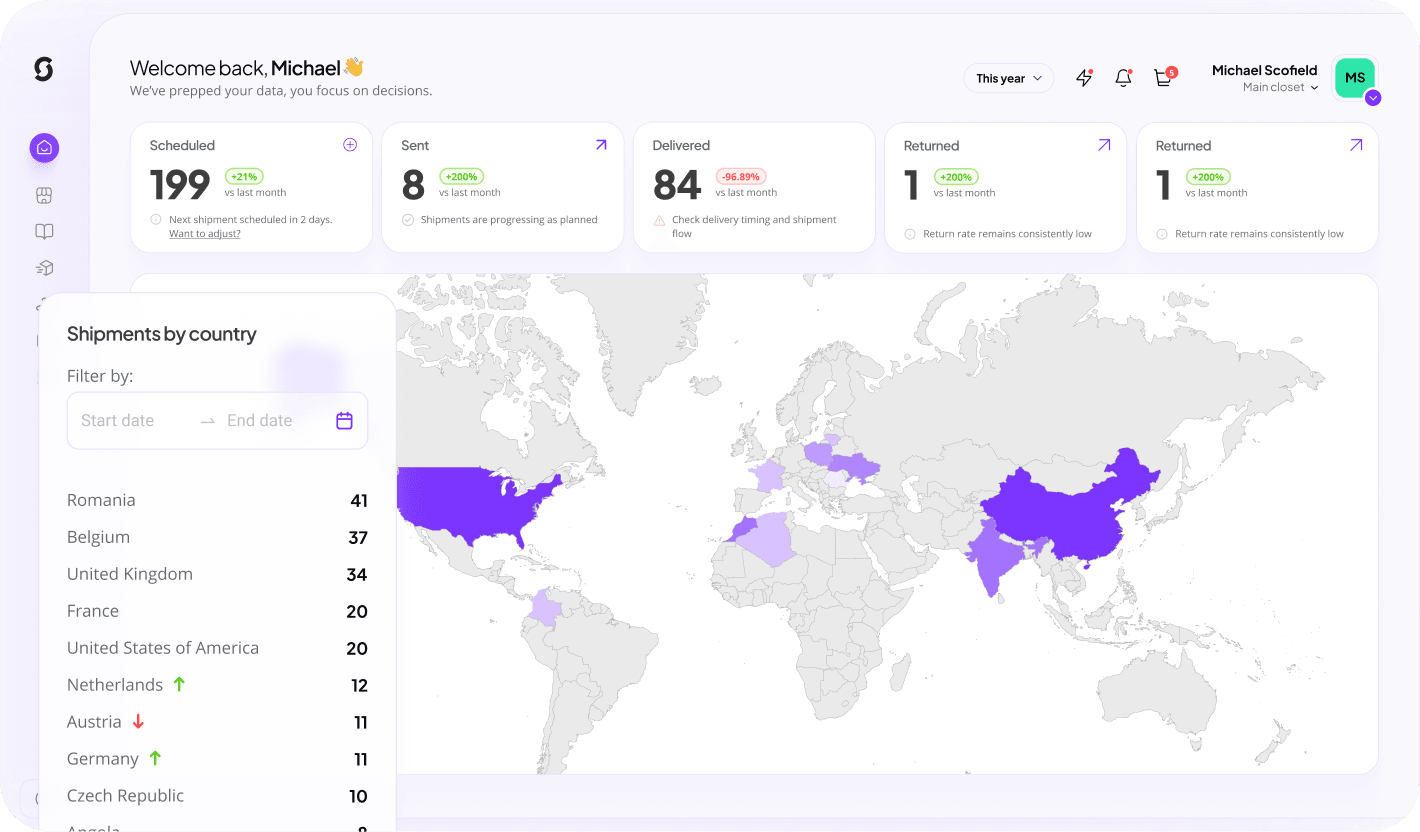
Record who ordered what, when, against which budget, in which region. You need that data later to compare activated dealers against non-activated ones, and retrofitting it is painful.
Where merchandise fits, and why it is not a side project
Digital campaign assets stop when the campaign stops. Physical merchandise keeps working in the environment where your product is demonstrated, recommended and installed. That is the structural difference, and it is why Ariens put branded clothing in the same environment as the artwork rather than in a separate procurement lane.
In a dealer network, merchandise usually earns its place in four situations:
- Showroom and counter. Staff apparel that reads as your brand rather than as generic workwear.
- Field and installation teams. The people physically inside a customer's home or site, all day, for years.
- Regional events and trade fairs. Where a dealer stand either looks like part of a national brand or looks improvised.
- Local customer programmes. Gifts and rewards the dealer hands out in their own relationships, on your brand.
The practical blocker is never the idea. It is that each of those has historically meant an email chain, a quote, a design file, a proof and a shipment, handled centrally, per dealer, per market. Turning that into self-service inside fixed rules is what the channel activation model is built around, and operationally it runs on the same machinery as a company swag store and a swag management platform.
Polos and jackets carry most dealer programmes because they are what customer-facing staff actually wear. The custom polos and custom jackets pages show the range, and you can preview a co-branded dealer version in your own colours with the free polo mockup generator before committing. For installer networks in the Netherlands and Belgium, the workwear detail is in werkkleding.

A season kit for a field team is one order for the dealer and hundreds of customer-facing hours for the brand.
The KPIs that matter in year one
Judging a new dealer marketing program on merchandise order volume in the first quarter tells you which dealers already had budget. It tells you almost nothing about whether the program works.
| Question | Metric | When |
|---|---|---|
| Are dealers switching it on? | Partner adoption rate, percentage of active dealers | First 90 days |
| Is it producing activity? | Local activations run, merchandise distributed, budget utilisation | Months 3 to 6 |
| Is the brand holding? | Percentage of activity using approved assets | Months 3 to 6 |
| Is it sticking? | Repeat ordering rate, breadth beyond the top 20 dealers | Months 6 to 12 |
| Is it efficient? | Cost per activation | Months 6 to 12 |
| Is it commercial? | Sell-through, activated versus non-activated dealers | Year one onward |
That last row is the one everyone wants first and should measure last. It needs a full cycle before the comparison is meaningful, and it is also the row that will eventually justify the budget, so instrument for it early even though you report it late.
Five ways to kill a dealer marketing program
- Launch with a catalogue instead of a collection. Choice paralysis is real and stock risk is worse.
- Keep a central approval step "just for the first year." It never comes out, and adoption never recovers.
- Run merchandise on a different system from campaigns. Dealers experience two programmes and use neither properly.
- Fund it by reimbursement only. Your smallest dealers, who need it most, will not front the cash.
- Report downloads. Assets downloaded is the vanity metric of channel marketing. Count dealers doing things.
Every one of those is a decision rather than an accident, which means every one of them can be decided differently.
About this article
A dealer program that runs without you
Approved collections, per-dealer budgets, independent ordering inside your rules, and delivery handled to 200+ countries. Create a free account and set it up.
Build your dealer program