This article is part of our complete guide to branded workwear.
1. Fabric and durability
Start with the fabric, because it determines almost everything that follows. Quality is not a nice-to-have with workwear. Clothing worn every day needs to be sturdy: durable cotton or a suitable blend, strong stitching, reliable hardware such as zippers and buttons, and a stable fit that holds its shape after washing.
- Fabric weight. Heavier isn't always better, but too light is almost always worse. Ask for the weight per square metre and compare like for like.
- Seams and stitching. Seams usually fail first. Look for double stitching in the places that take the most strain.
- Hardware. Zippers, buttons and snaps are the cheapest place to cut corners, and the first place it shows.
- Colour fastness. A brand colour that fades after twenty washes undermines your entire brand identity.
On sustainability in the green sense: for non-certified workwear, lifespan beats labels. Organic or recycled material is a nice bonus, but the biggest difference comes from clothing that lasts, that you reorder instead of replace, and that people actually want to wear. Disposable workwear is the least sustainable choice there is.
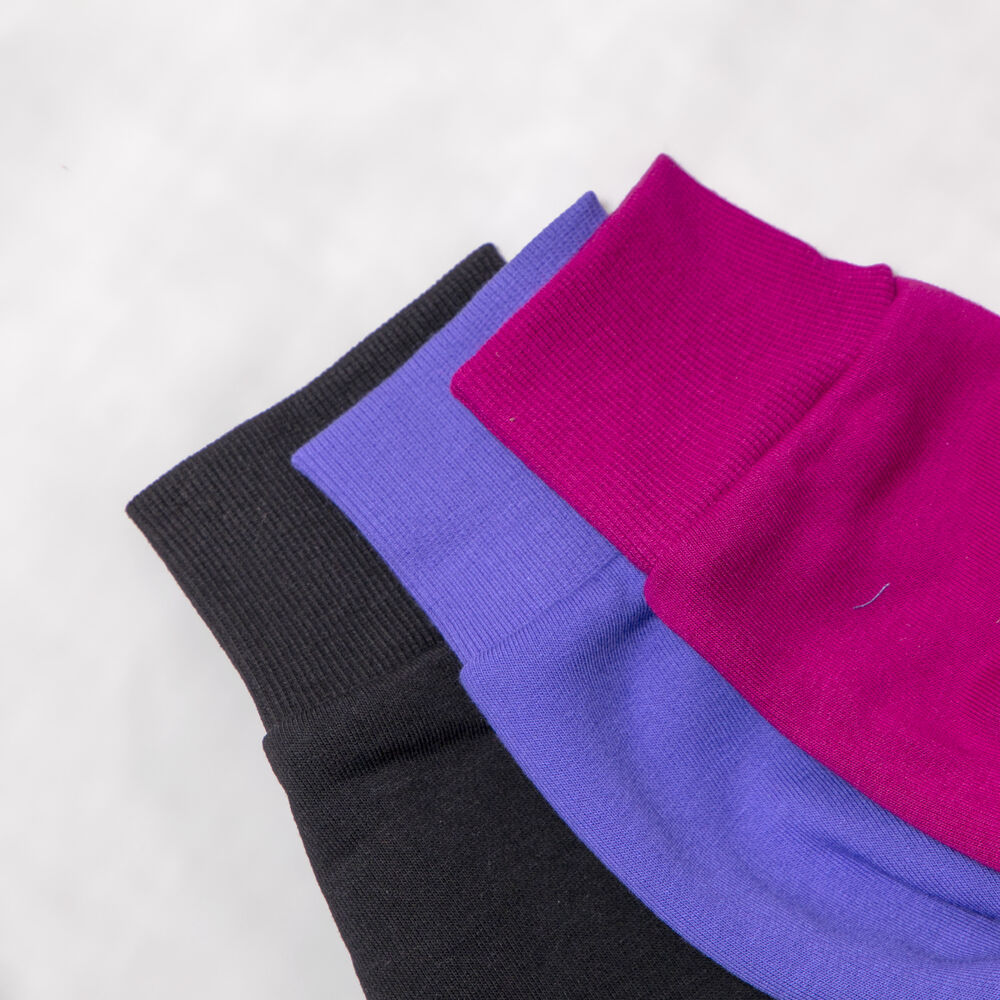
Fabric, collars and hems determine whether a garment still holds its shape after thirty washes. This is where cheap workwear fails first.
2. Washability: the test everyone skips
The most important question almost nobody asks: how often, and at what temperature, will this clothing be washed? In hospitality and healthcare, workwear goes through the machine hot and frequently. In retail, less hot but just as often. In logistics and installation work, wear and tear is added on top.
Always ask about the wash instructions for both the fabric and the decoration. Those are two different things. A polo that can handle 60 degrees, but with a transfer print that can't, is a polo that can't handle 60 degrees. Test one set before ordering a full fleet. Wash it ten times the way your team will actually wash it, not the way the manual says to.
3. Fit and sizing
The biggest operational bottleneck in a workwear programme is sizing. People order the wrong size, exchange it, wait, and wear something else in the meantime. Three things fix that.
- Clear size charts. In real centimetres, not just S, M and L.
- Men's and women's fit. A unisex style in a smaller size is not a women's fit.
- Predictable sizing. Sunday's clothing sits close to fashion sizing: if you normally wear a medium, that's likely your size here too. That avoids the pitfall of unexpectedly small or large, and results in noticeably fewer returns.
Don't forget size range either. A programme where one person can't get their size is a programme where that person wears something else. That's when your consistency disappears.
4. Decoration that won't wash out
With workwear, decoration is a durability question, not an aesthetic one. Choose wrong and the print cracks, fades or peels, and the whole outfit looks cheap. Choose well and the logo lasts as long as the fabric.
| Technique | Wash resistance | Best for |
|---|---|---|
| Embroidery | The strongest, stitched into the fabric | Polos, shirts, softshells, jackets, aprons |
| Sewn-on patch | Very durable | Back logo, company name, sleeve detail |
| Woven label | Durable, neat detail | Aprons, hem, collar |
| High-quality screen printing | Good, if chosen for repeated washing | Larger areas, T-shirts, sweaters |
| Cheap transfer | Cracks, fades and peels | Nothing in this category |
Want the full trade-off, including when print actually is the right choice? Read embroidery versus printing on workwear or the guide to printing workwear.
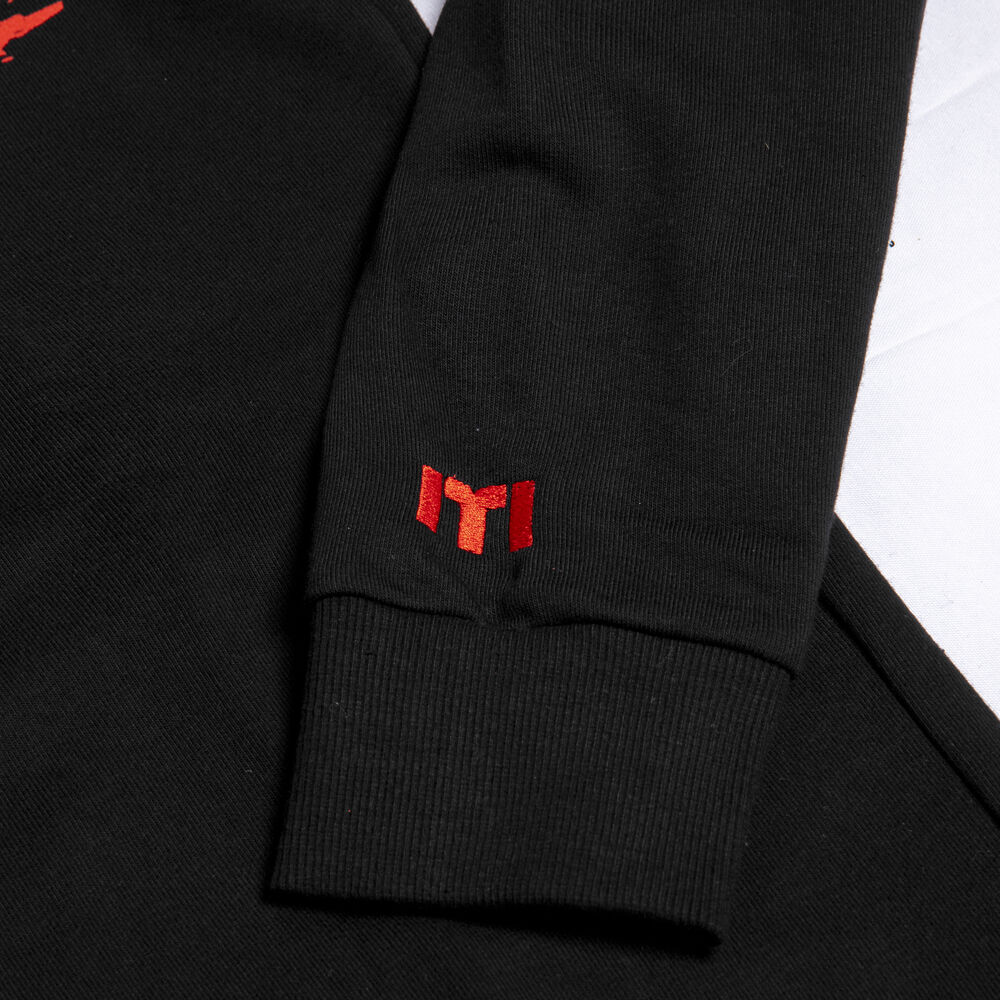
Embroidery is the safe choice for workwear: the logo is stitched into the fabric and can't wash loose, even on a sleeve that rubs daily.
5. Stocked print or made-to-order
There are two routes. Which one fits depends on your size, your timing, and how far ahead you're planning.
| Stocked print | Made-to-order | |
|---|---|---|
| Best for | Smaller teams, lower quantities, fast timing, an initial test, limited budget | Larger companies with a long-term view and their own look |
| Approach | Choose existing garments and add branding | Develop your own colours, cut and construction |
| Starting quantity | Low, quick to start | From around 500 pieces |
| Reordering | As long as the style is in stock | From around 100 pieces, the development work is already done |
| Lead time | Short | Longer, because development comes first |
For most companies, stocked print is the smartest start and made-to-order the next step. More on price drivers, minimum quantities and what really determines cost is in the guide to quantities and pricing.
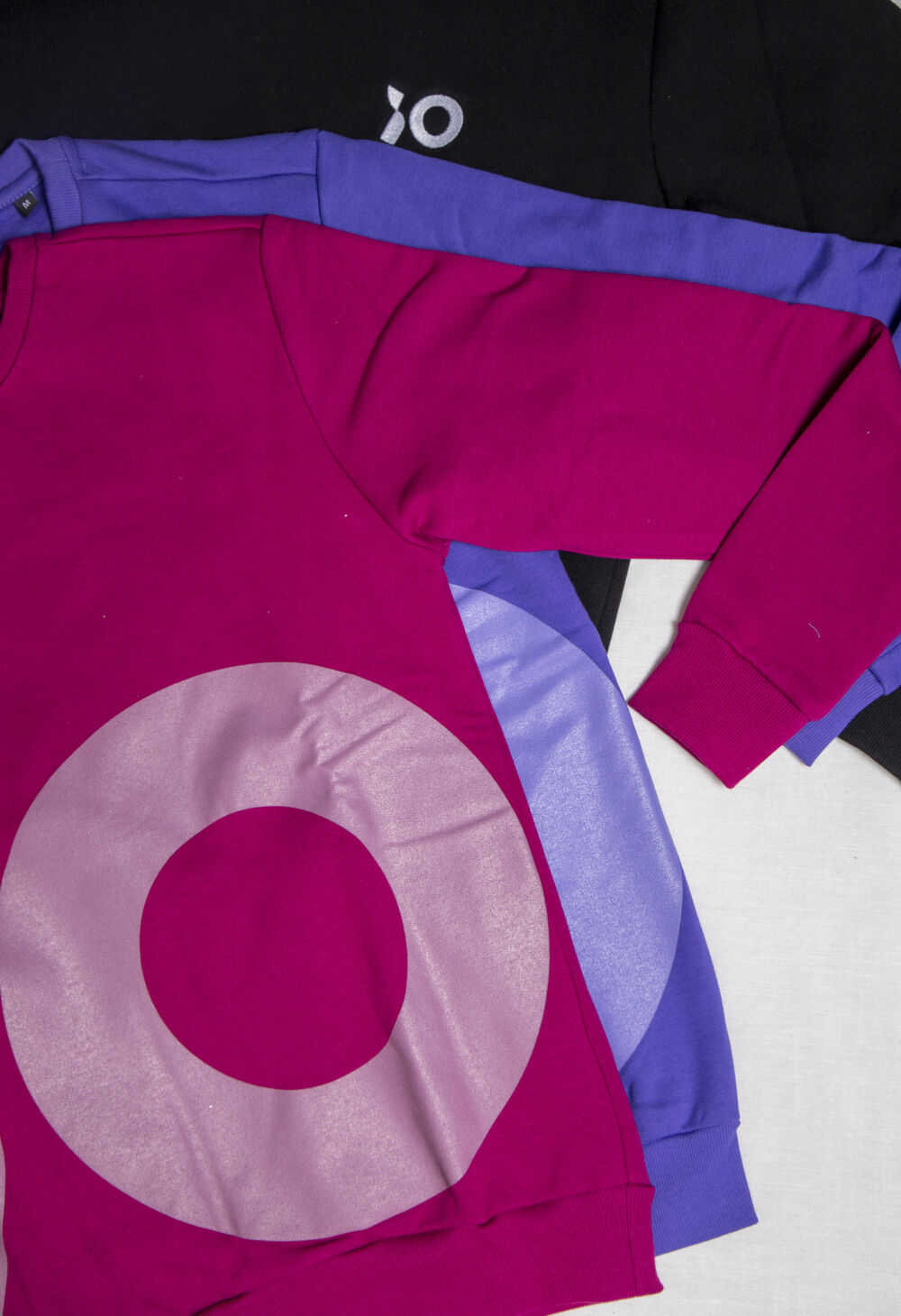
Stocked print or made-to-order: with both, you determine the mix yourself. The difference lies in your own colours, your own cut, and how unique the outfit ultimately looks.
6. Reordering as a process, not a last resort
Workwear is never finished. Employees leave and join, sizes run out, garments wear down, teams grow. Anyone who treats workwear as a one-off merch order will, within six months, have gaps in the sizes and a team that no longer looks uniform.
Plan from day one for live stock visibility, reorder quantities, minimum reorder amounts, size availability per fit, lead times, and reproducibility of fabric and garment. That last point is crucial: can you reorder the exact same garment in the exact same colour a year from now? If not, your consistency has an expiry date.
Do this through emails and spreadsheets and the information disappears. Do it through a central platform and the team stays consistent year after year. That's what the Sunday platform is built for.
7. The right mix per sector
There is no universal workwear package. A hotel, a retail chain, an installation network and a foodservice company each need a different combination of the same building blocks: polos, T-shirts, business shirts, softshells, work jackets, padded jackets, sweaters, trousers and aprons.
For most customer-facing teams, the polo is the base: professional, recognisable and practical. On top of that, you build the layers your sector requires.
Cheap is expensive
The objection we hear most often: "it's going to get dirty anyway, so we'll just buy cheap clothing." That's the wrong framing. Employees wear that clothing every day while representing the company, visible to customers, visitors, partners and colleagues. Sloppy, cheap or inconsistent reflects on the business.
Calculate over the lifespan, not per piece. Clothing that lasts twice as long and keeps looking good the whole time is cheaper per day worn than the cheap alternative you replace every season.
Buying workwear with Sunday
Sunday is merch infrastructure, not a classic supplier. You open a product page and the platform uses your brand details to instantly show design directions with live pricing. You see what a branded polo looks like in your colours, which decoration can handle washing, and how each choice changes the price. Want to see your design before you order? Use the free polo mockup generator.
The full branded workwear range is on the product page, and the catalog shows the rest. Not looking for functional workwear but a voluntary, brand-driven wardrobe people choose for themselves? Read our guide to branded apparel.
About this article
Workwear that survives the washing machine
Polos, softshells, work jackets and aprons with your logo, in men's and women's fit. Made in the EU, with live pricing in 30 seconds.
Start designing for free