Definition
A bulk order is one purchase of a large quantity of the same product, placed in a single production run to bring the unit price down. In branded merchandise it usually means hundreds or thousands of identical items carrying the same artwork, made together and shipped as one consignment. The logic is arithmetic. Setup costs are fixed, so the more units you spread them across, the less each item costs.
Definition
A bulk order concentrates demand into one transaction instead of scattering it across many small ones. The factory sets up once, decorates once, packs once and ships once. Take a company ordering 1,200 hoodies for a year of onboarding. Placed as one bulk order, the embroidery file is digitised once and the setup cost is divided across 1,200 pieces. Placed as 40 separate orders of 30, that same setup is charged 40 times and the freight is paid 40 times.
How a bulk order works
Every supplier sets a minimum order quantity that makes a run viable. Above that floor, pricing moves in tiers: 100, 250, 500, 1,000 units and up. Each tier drops the per-unit price because tooling, screens, digitising, colour matching and machine changeover are paid for once regardless of how many pieces come off the line. Decoration method changes the shape of the curve. Screen printing has a high setup and a very low run cost, so it rewards volume heavily. Digital printing has almost no setup, so the discount curve is flatter.
Volume also buys you control over the things that go wrong in small runs. One dye lot means every item matches. One production batch means the Pantone reference is hit once and holds across the whole order. One inspection covers the full quantity. Split the same volume across four small orders placed months apart and you get four dye lots, four chances of drift, and garments that no longer look like they belong to the same brand.
The trade-offs are cash and time. A bulk order ties up budget in stock that has not been distributed yet, and it needs somewhere to live. Sea freight on a large run takes weeks, air freight costs more. You also commit to a size curve and a design before you know exactly who will receive what. Get the forecast wrong and you sit on 300 XXL hoodies in a colour you no longer use. That is why bulk works best when it is paired with storage and on-demand fulfilment, so items ship out one by one from a stocked pool rather than all at once.
Bulk orders in branded merch
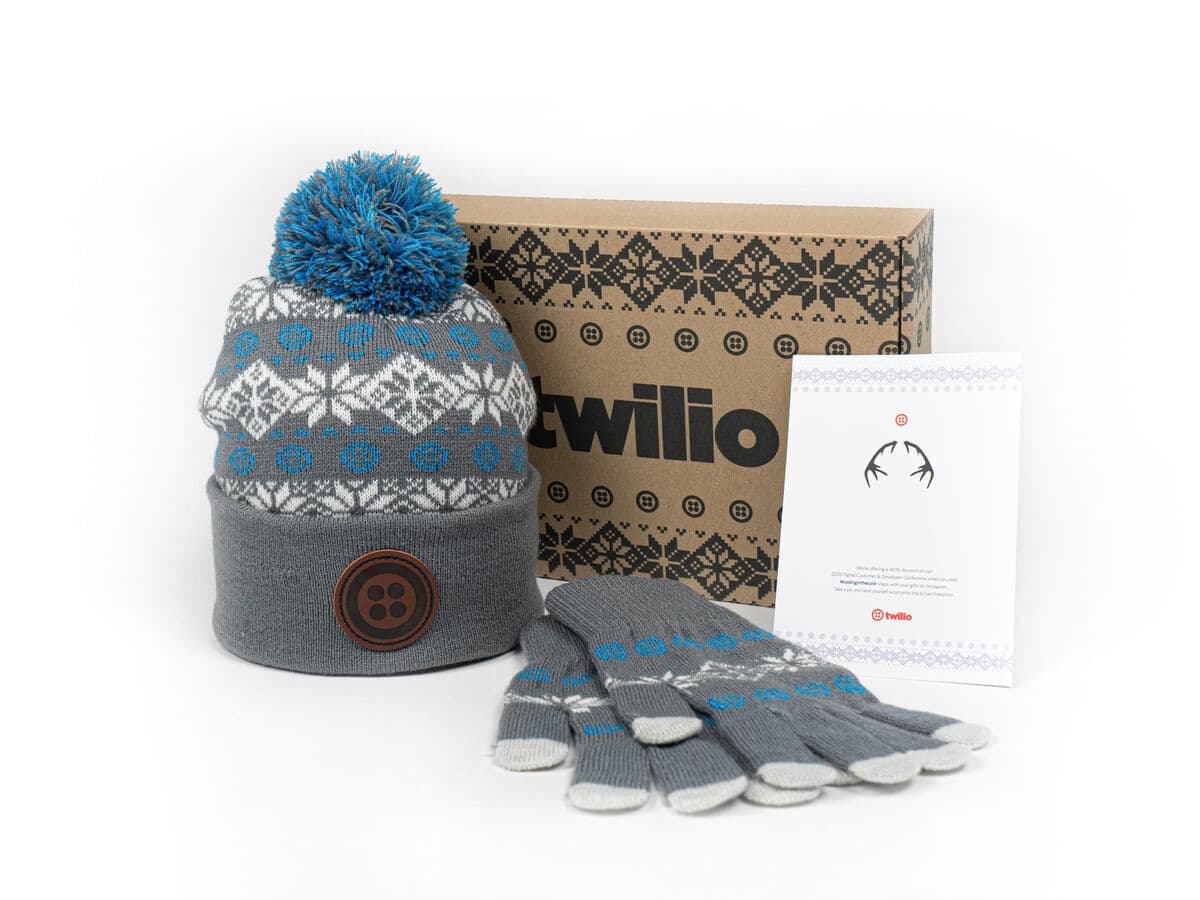
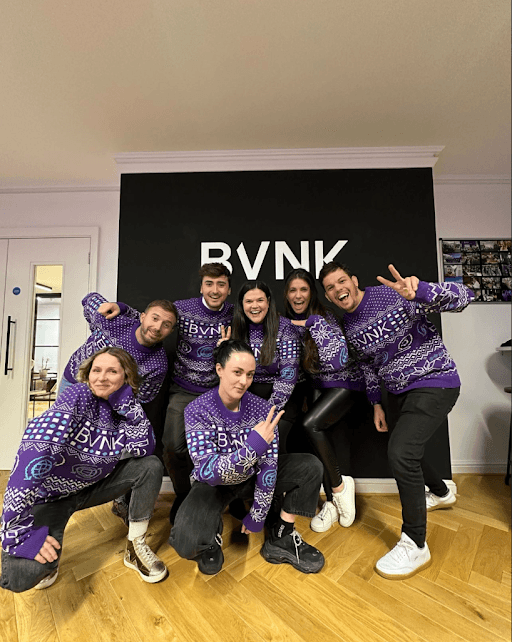
- Annual employee kits. Order a full year of onboarding merch in one run, store it, then release a pack per new hire. New joiners in January and November get exactly the same product.
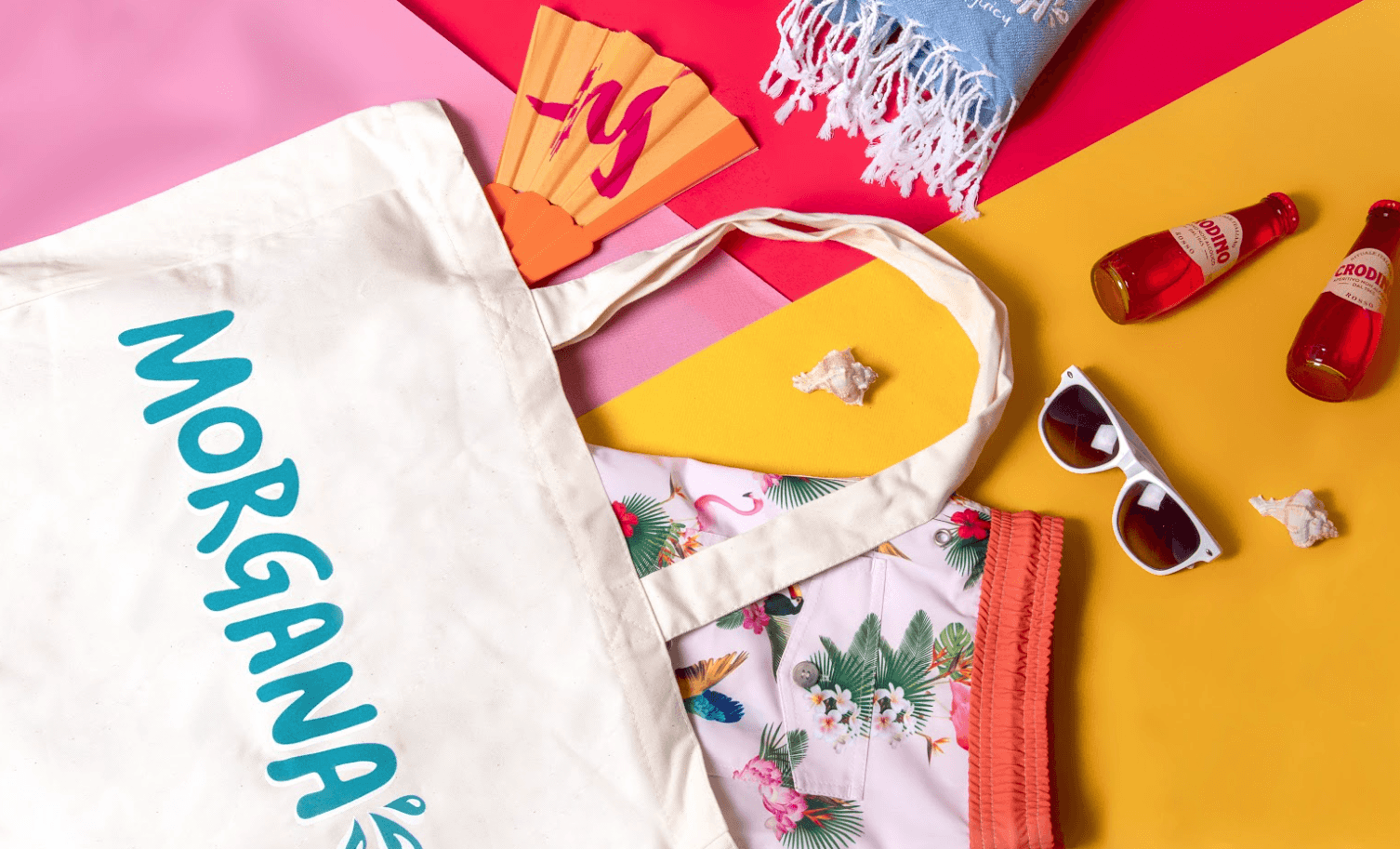
- Event and conference stock. Trade shows need volume at a fixed date. A bulk order months ahead gives you the best unit price and enough buffer to reprint if a sample fails approval.
- Internal merch shops. Stock a branded shop with core items in depth, then let employees or customers order individual pieces. The bulk order funds the shop, the shop drip-feeds the stock.
A bulk order is a single large-volume purchase of the same item, produced in one run to lower the unit price and simplify logistics.
5 tips to elevate your Bulk order strategy
| Tip | Steps |
|---|---|
| Ask for the full price ladder | Request pricing at every tier, not just your target quantity. The jump from 480 to 500 units often pays for itself. |
| Buy the size curve, not the average | Base quantities on real headcount data rather than an even split. Over-ordering XS and XXL is where budget quietly disappears. |
| Approve a sample before the run | Sign off a physical pre-production sample. Fixing artwork on 1,000 finished pieces is not possible. |
| Plan storage before you order | Confirm where the stock will sit and who ships it out, before the pallet arrives at reception. |
| Lock the spec for reorders | Record fabric, colour code, GSM and decoration position so a repeat bulk order matches the first one. |
Key Terminologies
Frequently Asked Questions
How many units count as a bulk order?
There is no fixed threshold. In branded merch, anything from around 100 identical units upward is normally treated as bulk, with meaningful price breaks appearing at 250, 500 and 1,000 pieces.
How much cheaper is a bulk order?
It depends on the product and decoration method. Setup-heavy techniques like screen printing and embroidery can drop 30 to 50 percent per unit between a small run and a large one, while digitally printed items see smaller savings.
What is the lead time for a bulk order?
Typically three to six weeks for stock products decorated in Europe, and eight to twelve weeks for custom production from Asia including sea freight. Air freight shortens this but raises the cost per unit.
What happens to leftover stock from a bulk order?
Leftovers should be stored and released over time through a merch shop or an onboarding flow. Timeless designs and neutral colours make surplus stock reusable instead of dead inventory.
Is a bulk order better than print on demand?
Bulk gives a lower unit price and consistent quality across one batch. Print on demand avoids stock risk and upfront cash. Many teams use bulk for core items and print on demand for one-off or short-lived campaigns.