Definition
Color matching is the process of reproducing your exact brand color across different products, decoration methods and production runs. It uses a shared reference like a Pantone number so a screen print, an embroidered logo and a printed box all land on the same shade. Done well, it keeps your brand recognizable no matter what the merch is made of.
Definition
Color matching means locking a color to an objective reference and then hitting that reference on every item, whatever the substrate or print process. A vague instruction like "brand blue" is not enough, because blue on a white cotton tote looks different from the same ink on a heather grey hoodie. For example, a brand that defines its blue as Pantone 286 C can specify that exact code for a screen-printed tote, choose the closest embroidery thread for a jacket, and set the CMYK build for a printed mailer box. The reference stays fixed while the method changes.
How color matching works
Color matching starts with a defined target. Most merch programs use the Pantone Matching System for spot colors, because a PMS number is a physical, repeatable recipe rather than a screen simulation. For full-color artwork, the target is usually built in CMYK for print, while on-screen brand values live in RGB or hex. Part of the job is translating cleanly between these systems, since not every RGB color can be printed and not every Pantone maps to an identical CMYK build.
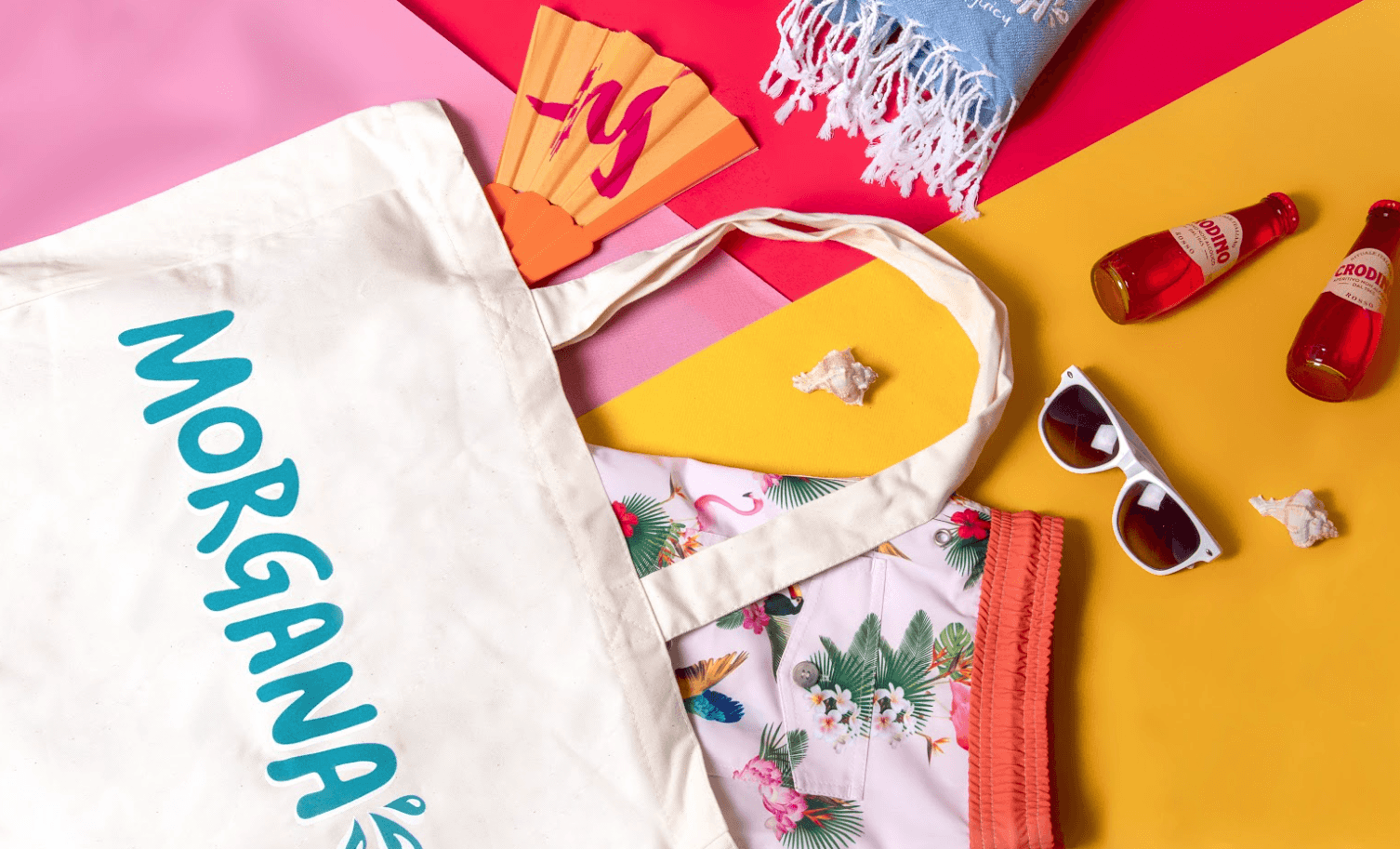
The substrate changes everything. The same ink reads warmer on natural cotton than on optical-white polyester, and a color always shifts on dark or colored fabric unless you print a white underbase first. Different decoration methods add their own limits. Screen printing mixes ink to a Pantone recipe, embroidery is restricted to available thread shades, and dye sublimation depends on the polyester it soaks into. Because of this, matchers often approve a physical lab dip or strike-off, a real sample of the color on the actual material, before a full run.
Precision is measured, not guessed. The difference between a target and a result is expressed as Delta E, where a smaller number means a closer match and a value around 1 is barely visible to the human eye. Lighting matters too, since a color that matches under warehouse light can drift under daylight, an effect called metamerism. Dye lots from different production batches can vary slightly, so agreeing a tolerance up front protects you against reorders that look off next to the originals.
Color matching in branded merch
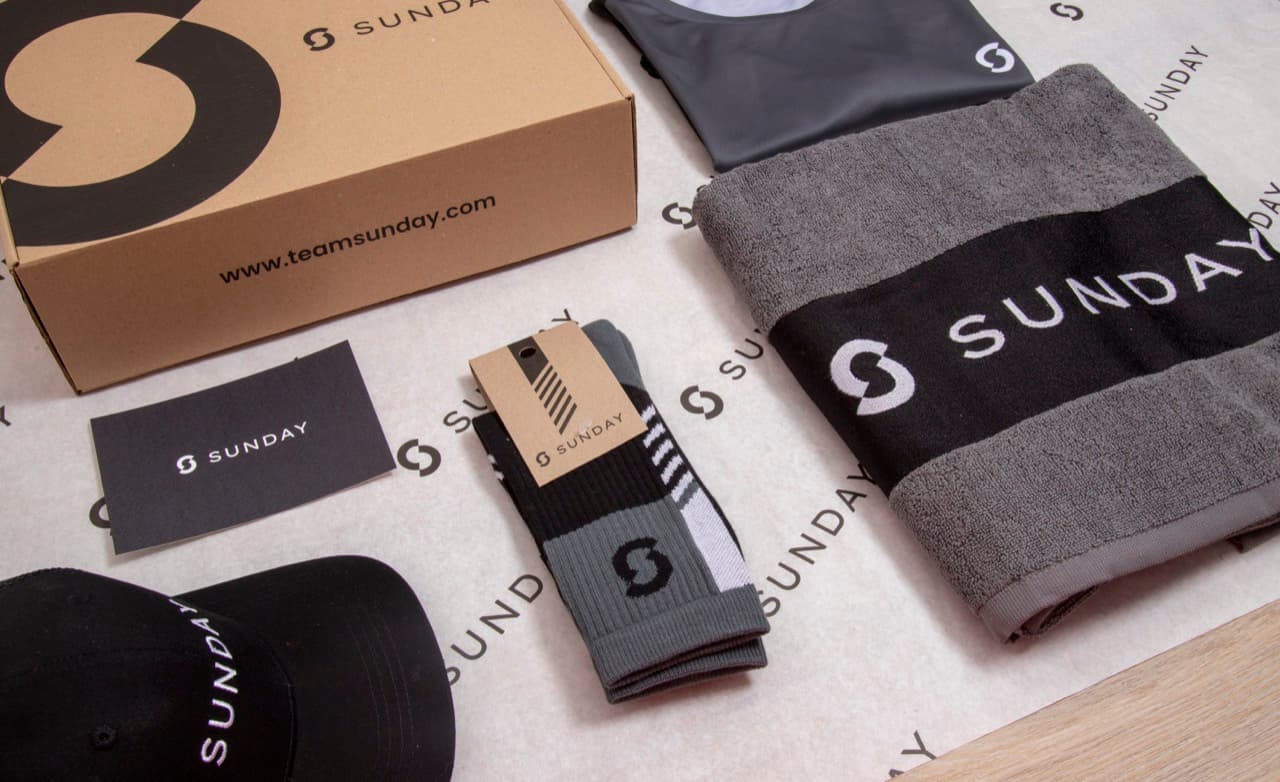
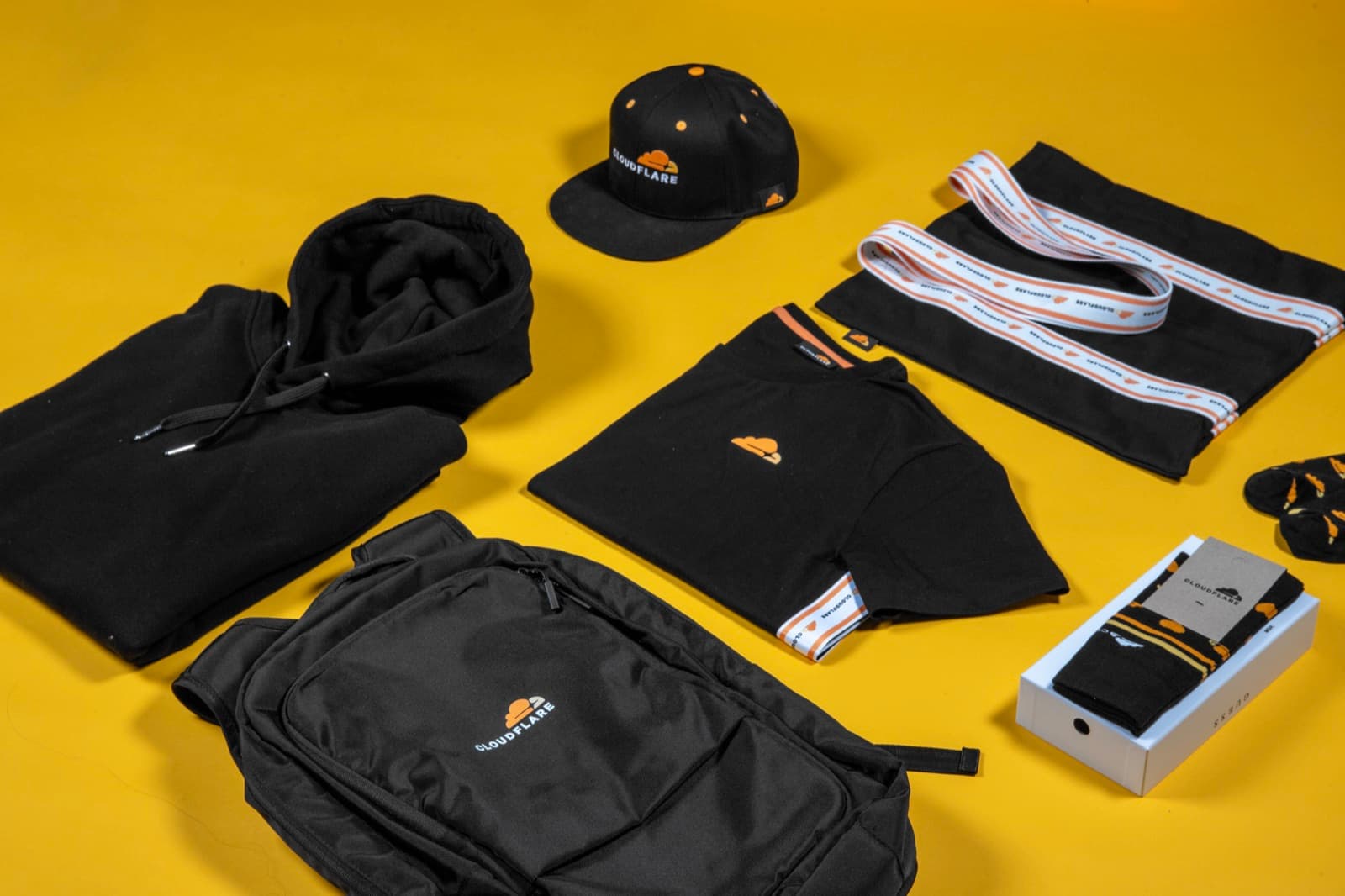
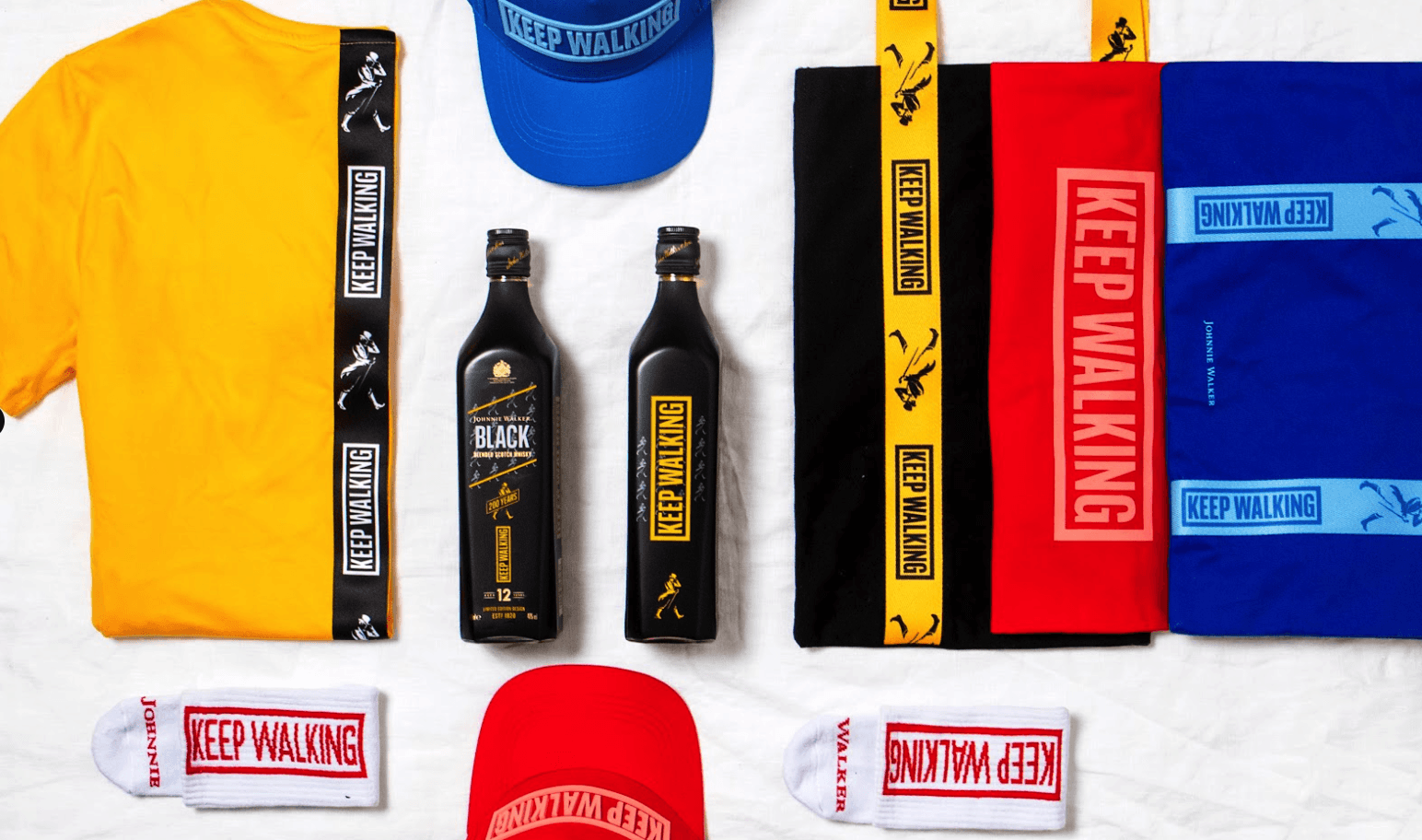
- Keeping a logo consistent across a kit. A welcome box might include a printed t-shirt, an embroidered cap and a sticker. Color matching each to the same brand reference means the logo reads as one color, not three near-misses.
- Protecting brand guidelines at scale. For large or repeat orders, a locked Pantone and an agreed Delta E tolerance let you hold every supplier to the same standard, so merch produced months apart still matches.
- Reproducing exact corporate colors on packaging. Mailer boxes, tissue paper and tape printed in your brand color turn an unboxing into a branded moment, which only works if the print matches the products inside.
Color matching is the process of reproducing a specific target color consistently across materials, decoration methods and production batches so a brand looks the same everywhere.
5 tips to elevate your Color matching strategy
| Tip | Steps |
|---|---|
| Define colors in Pantone | Give suppliers a spot Pantone code, not just a hex value, so the target is a physical recipe. |
| Request a strike-off | Approve a real sample on the actual fabric before the full run, since screens never show true color. |
| Set a Delta E tolerance | Agree an acceptable variance in writing so you can accept or reject a batch objectively. |
| Check under multiple lights | Review samples in daylight and indoor light to catch metamerism before approval. |
| Account for the substrate | Expect a white underbase on dark garments and choose the nearest thread shade for embroidery. |
Key Terminologies
Frequently Asked Questions
What is color matching in printing?
Color matching in printing is the process of reproducing a defined target color on a product using a reference such as a Pantone number. It ensures a logo or brand color looks the same across different items and print runs.
How accurate is color matching?
Accuracy is measured in Delta E, the numeric difference between the target and the result. A Delta E around 1 is barely visible, and most merch programs agree a tolerance of 1 to 3 as an acceptable match.
Why does my brand color look different on each product?
Color shifts with the material, the print method and the base color of the fabric. The same ink reads differently on cotton, polyester and dark garments, which is why matching to a fixed reference matters.
What is a lab dip or strike-off?
A lab dip or strike-off is a physical sample of your color on the actual material, produced before the full run. Approving it confirms the match in real life rather than on a screen.
Can any color be matched exactly?
Not always. Some bright RGB colors cannot be reproduced in CMYK or on certain fabrics, and thread ranges limit embroidery. A good matcher gets as close as the substrate and method allow within an agreed tolerance.