

Definition
Fairtrade cotton is cotton grown by smallholder farmers who are certified against the Fairtrade Standards and paid a guaranteed minimum price plus an additional premium. The certification is about economics and working conditions at farm level, not about the growing method. That distinction matters when you are choosing fabric for branded merch, because Fairtrade answers a different question than organic does.
Definition
Fairtrade cotton is seed cotton produced by farmer organisations that meet the Fairtrade Standard for Small-scale Producer Organisations and the product standard for fibre crops. Buyers pay at least the Fairtrade Minimum Price, which is set per region and per kilo of seed cotton, and on top of that a Fairtrade Premium that goes to the cooperative rather than the individual farmer. Independent auditors verify the whole chain, and licensed brands pay a fee to use the mark.
A practical example. A cooperative in Gujarat sells its cotton at the Fairtrade Minimum Price when the world market drops below it, so the price floor does its job in a bad year. The Premium on that volume flows into a collective fund, and the members vote to spend it on a shared irrigation pump and school fees. The lint from that harvest is spun, knitted and cut into 3,000 T-shirts carrying a company logo, and the finished garment can carry the FAIRTRADE Cotton Mark.
How Fairtrade cotton works
Certification starts at the farm. The producer organisation is audited against standards that ban forced labour and child labour, require democratic governance, restrict a long list of hazardous pesticides, and prohibit genetically modified seed for Fairtrade cotton. Farmers can also hold organic certification alongside Fairtrade, in which case they earn an organic differential on top of the minimum price. Fairtrade and organic cotton are complementary, not alternatives.
Then comes the chain of custody. There are two models. Physical traceability keeps Fairtrade cotton separate from conventional cotton at every step, from gin to spinner to garment factory, and it is the model behind the classic FAIRTRADE Cotton Mark on a finished product. The Fairtrade Cotton Programme uses a mass balance approach instead, where a brand commits to buying a volume of Fairtrade cotton but the fibre may be mixed downstream. Mass balance moves more volume and pays more farmers. Physical traceability gives you a stronger claim on the specific garment in your hand.
The trade-offs are real. Fairtrade cotton commands a modest price uplift per garment, usually a few tens of cents to around a euro depending on weight and order size. Lead times can be longer because certified spinners and mills are fewer. Colour and quality are unaffected. Fairtrade says nothing about the dyeing and finishing stages, which is where standards like GOTS do their work, so the two are often used together on the same product.
Fairtrade cotton in branded merch
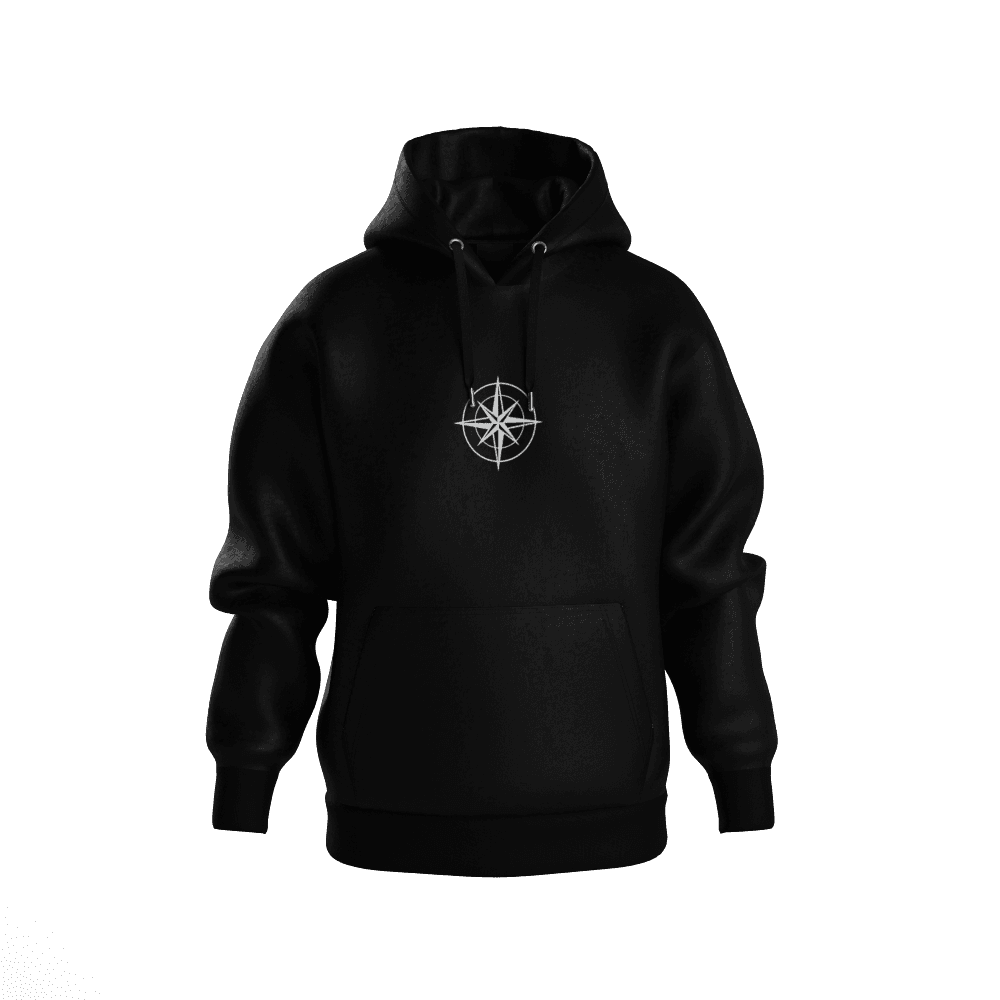
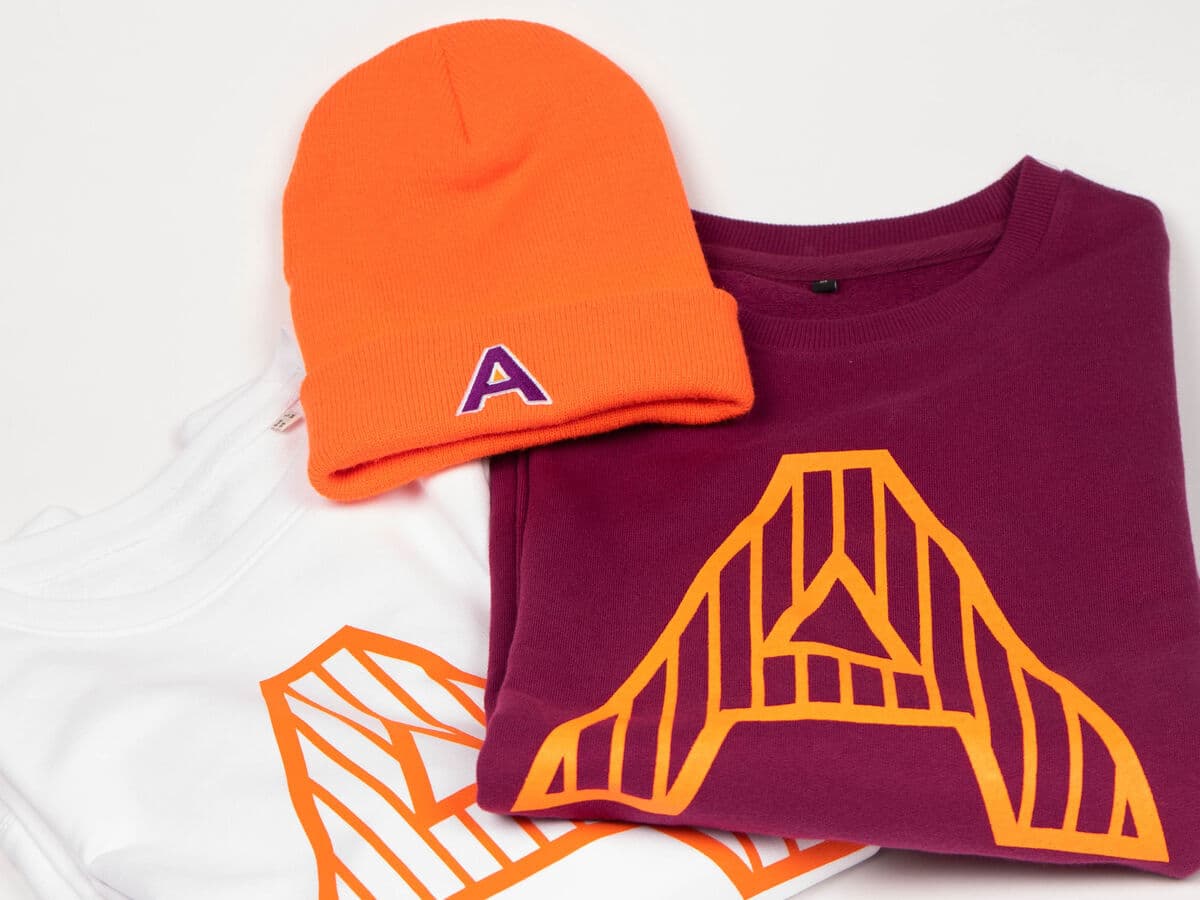
- Certified staple apparel. T-shirts, hoodies and polos are the natural home for Fairtrade cotton. Certified blanks exist across most weights, so you can hold your usual fit and hand feel while changing the story on the hangtag.
- Public sector and NGO tenders. Procurement teams in schools, municipalities and charities increasingly score social criteria explicitly. A Fairtrade mark is a recognised, auditable answer that survives scrutiny, unlike a vague claim about ethical sourcing.
- Employee onboarding kits and events. Welcome packs and conference merch get photographed and shared. A garment that carries a mark people already trust from coffee and chocolate does more for internal credibility than a printed slogan about values.
Fairtrade cotton is certified cotton bought under terms that guarantee farmers a minimum price and an extra Fairtrade Premium their cooperative invests as it chooses.
5 tips to elevate your Fairtrade cotton strategy
| Tip | Steps |
|---|---|
| Check the mark, not the word | Ask whether the product carries the FAIRTRADE Cotton Mark or falls under the Fairtrade Cotton Programme. The claim you are allowed to make differs. |
| Pair it with a processing standard | Fairtrade covers the farm. Add GOTS or OEKO-TEX if you also want assurance on dyes, chemicals and finishing. |
| Ask for the licence number | Any supplier selling Fairtrade-marked garments works under a licence. If nobody can produce a number or a transaction certificate, the claim is not verified. |
| Budget the premium properly | The cost sits in the fibre, so it scales with garment weight. A 180 gsm tee absorbs it more easily than a 400 gsm hoodie. |
| Order earlier than usual | Certified spinning and knitting capacity is limited. Build an extra two to three weeks into the plan for a first Fairtrade run. |
Key Terminologies
Frequently Asked Questions
Is Fairtrade cotton the same as organic cotton?
No. Fairtrade certifies the price and the terms farmers are paid, along with labour and governance rules. Organic certifies the growing method. A garment can be one, both, or neither.
Does Fairtrade cotton cost much more?
The uplift is usually small at garment level, often well under a euro on a standard T-shirt, because the certified fibre is only a fraction of the finished cost. Heavier items carry more fibre and therefore more premium.
Can I put the Fairtrade logo on my company merch?
Only through a licensed supply chain. The producer of the garment and the brand owner must be licensed by the national Fairtrade organisation, and the artwork rules for the mark are strict.
Where is Fairtrade cotton grown?
The largest certified producer regions are India, followed by West African countries such as Mali, Burkina Faso, Senegal and Cameroon, plus Kyrgyzstan, Tajikistan and Peru.
What is the difference between the Cotton Mark and the Cotton Programme?
The FAIRTRADE Cotton Mark requires physical traceability, so the cotton in that specific garment is Fairtrade. The Cotton Programme uses mass balance, so a brand sources a certified volume without keeping the fibre physically separate.