Definition
Just-in-time merch is branded merchandise produced after demand is confirmed, not before it. You do not buy 1,000 hoodies and hope they move. You produce the 214 that people actually ordered. The stock risk stops being a pile of boxes and becomes a production schedule.
Definition
Just-in-time merch borrows a manufacturing idea from Toyota and applies it to branded goods: nothing is made until something downstream asks for it. In merch terms, that trigger is an order in a company store, a headcount change, an event registration count, or a stock level dropping below a set floor. Production starts from that signal. It does not run on a forecast.
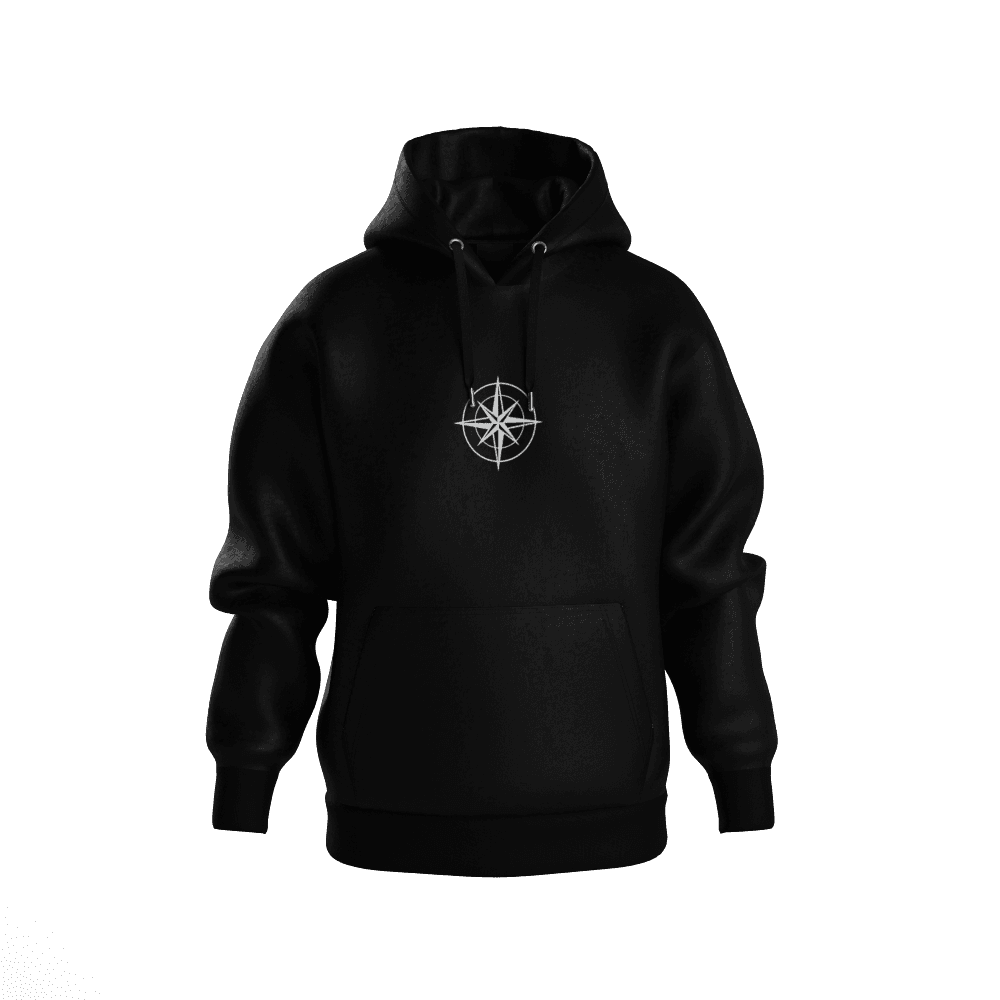
A concrete example. A 300-person software company used to order 600 hoodies each January in a fixed size curve. Two years later, 180 were still in the warehouse, most of them XS and XXL, and the logo on all of them was the old one. Moving to a just-in-time model, they kept undecorated blanks at a hub, opened a store for new hires, and printed each hoodie when a hire picked a size. Unit cost rose from 21 to 27 euro. Total spend fell by a third, because they stopped paying for the 180 hoodies nobody wore.
How just-in-time merch works
It runs on a pull signal. In a push model you forecast, buy in bulk, store, then push items at people. In a pull model the order comes first and production follows. The practical version in merch is a two-stage supply: hold generic blanks, garments, bottles, notebooks, in a warehouse, and hold decoration until the moment an order lands. A blank tee is fungible. A tee printed with your 2023 logo in size XXL is not. Keeping stock in its unbranded, unassigned state is what makes late decision-making cheap.
Decoration method decides whether this is viable. Direct-to-garment, direct-to-film transfer, digital print, laser engraving and UV print all have near-zero setup cost, so a run of one costs roughly the same per unit as a run of fifty. Screen printing and embroidery carry setup: screens to burn, thread colours to load, artwork to digitise. That setup can still work with just-in-time merch if it is paid once and reused across many small runs, which is why the artwork file and the tech pack get built properly at the start of a program, not per order.
The trade-off is honest and worth stating. Unit price goes up because you lose the volume break, and lead time per order goes up because production time is now inside the delivery window rather than behind it. What you get back is capital that is not tied up in stock, storage fees you no longer pay, no deadstock write-off, no wrong sizes, and a logo that can change on a Tuesday without destroying a warehouse. Most merch programs waste 20 to 30 percent of what they buy. Just-in-time production removes that number, and the higher unit cost rarely eats the saving. It is close to on-demand merch, with one difference: on-demand usually means one unit at a time, while just-in-time can batch a week of orders into a single efficient production run.
Just-in-time merch in branded merch
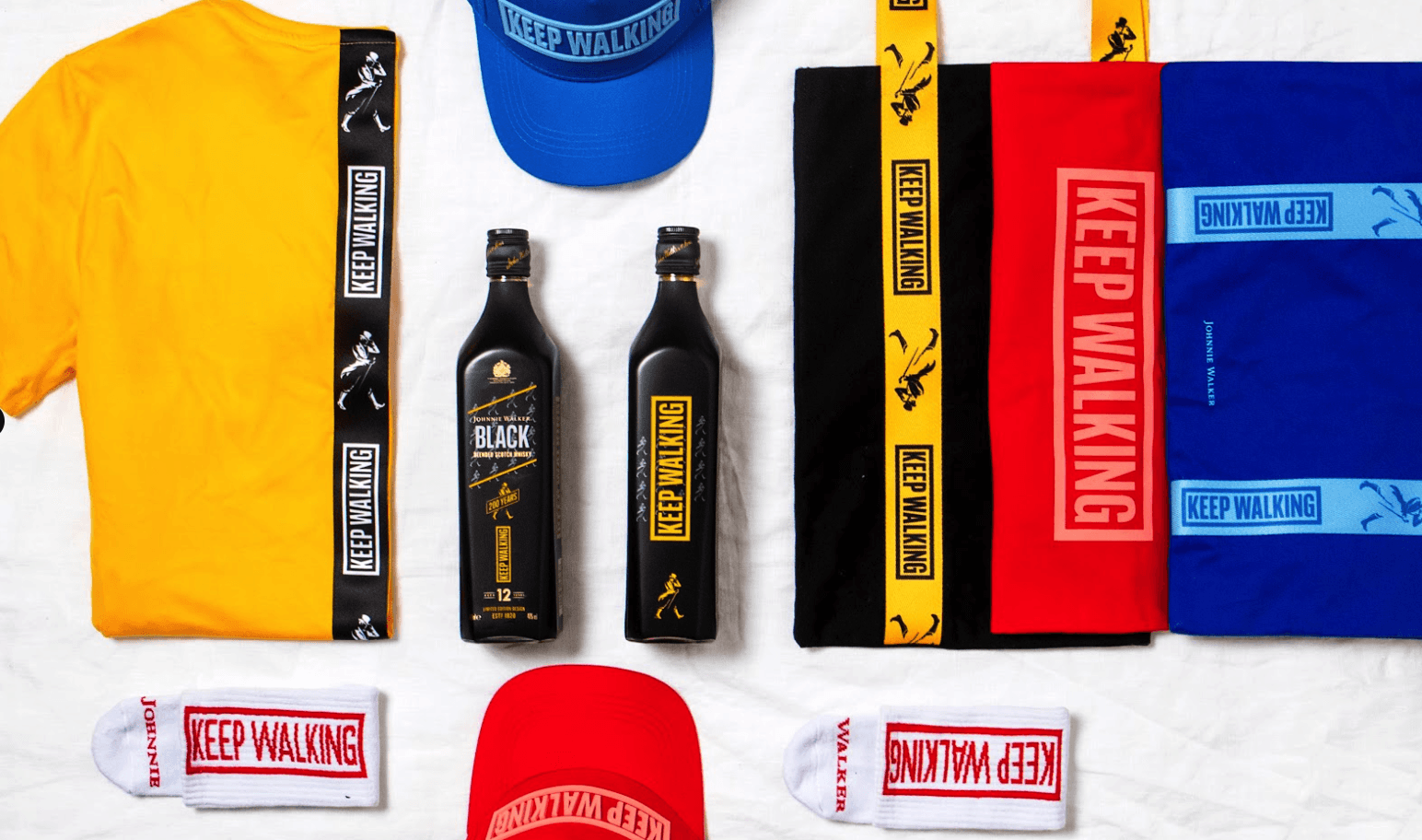
- Onboarding kits produced per hire. A new joiner picks their size and item in a store, and the kit is made and shipped for that person. No size curve to guess, no boxes of XS aging in a cupboard, no kit that predates the current brand.
- Event stores with a pre-order window. Open the store three weeks before the conference, close it at a cut-off, then produce the exact counted quantity. You arrive with what people asked for and carry nothing home.
- Rebrand-proof company stores. When the logo, the brand colour or the product line changes, only the artwork file changes. There is no inventory to liquidate, because the inventory was never decorated.
Just-in-time merch is a pull model where branded items are produced against confirmed orders, so inventory is created by real demand instead of guessed in advance.
5 tips to elevate your Just-in-time merch strategy
| Tip | Steps |
|---|---|
| Batch orders into production windows | Set a weekly or biweekly cut-off. Fifty orders produced together price far better than fifty produced alone, and the recipient waits days, not weeks. |
| Hold blanks, never finished goods | Stock the undecorated garment or bottle. Decide the logo, the size and the recipient as late as possible. |
| Pick low-setup decoration | DTG, DTF, laser and digital print run economically at quantity one. Reserve screen print and embroidery for repeat items where setup is amortised. |
| Show a real ship date at checkout | Just-in-time adds production time to the wait. Publish the date. An expected date beats a fast promise that slips. |
| Keep one safety layer for rush demand | Hold a small buffer of your top two items in the most common sizes. Sales emergencies do not respect a production calendar. |
Key Terminologies
Frequently Asked Questions
Is just-in-time merch the same as print on demand?
They overlap but are not identical. Print on demand produces one item per order with no stock held. Just-in-time merch triggers production from confirmed demand, and often batches several days of orders into one run, which keeps unit cost lower than true single-unit printing.
Does just-in-time merch cost more per unit?
Yes, usually 20 to 40 percent more than a large bulk buy, because you give up the volume break. Total program cost is normally lower, since you stop paying for unsold stock, storage and write-offs. Compare cost per item delivered, not cost per item produced.
How long does just-in-time merch take to deliver?
Plan on five to fifteen working days from order to doorstep, depending on the decoration method and where the blanks sit. Digital print and laser engraving are fastest. Embroidery and cut-and-sew take longer, and a rush event still needs stock held in advance.
Which products suit just-in-time merch best?
Anything with digital decoration and stable blanks: tees, hoodies, caps, tote bags, bottles, notebooks and mugs. Custom-manufactured products with long factory lead times, such as bespoke cut-and-sew apparel, do not fit the model and are better bought in planned runs.
When should you still order in bulk?
When demand is genuinely known and fixed. A 500-person conference with a confirmed headcount, or a uniform program with a stable size curve and a logo that is not changing. Bulk is not the enemy. Buying on a guess is.