
Definition
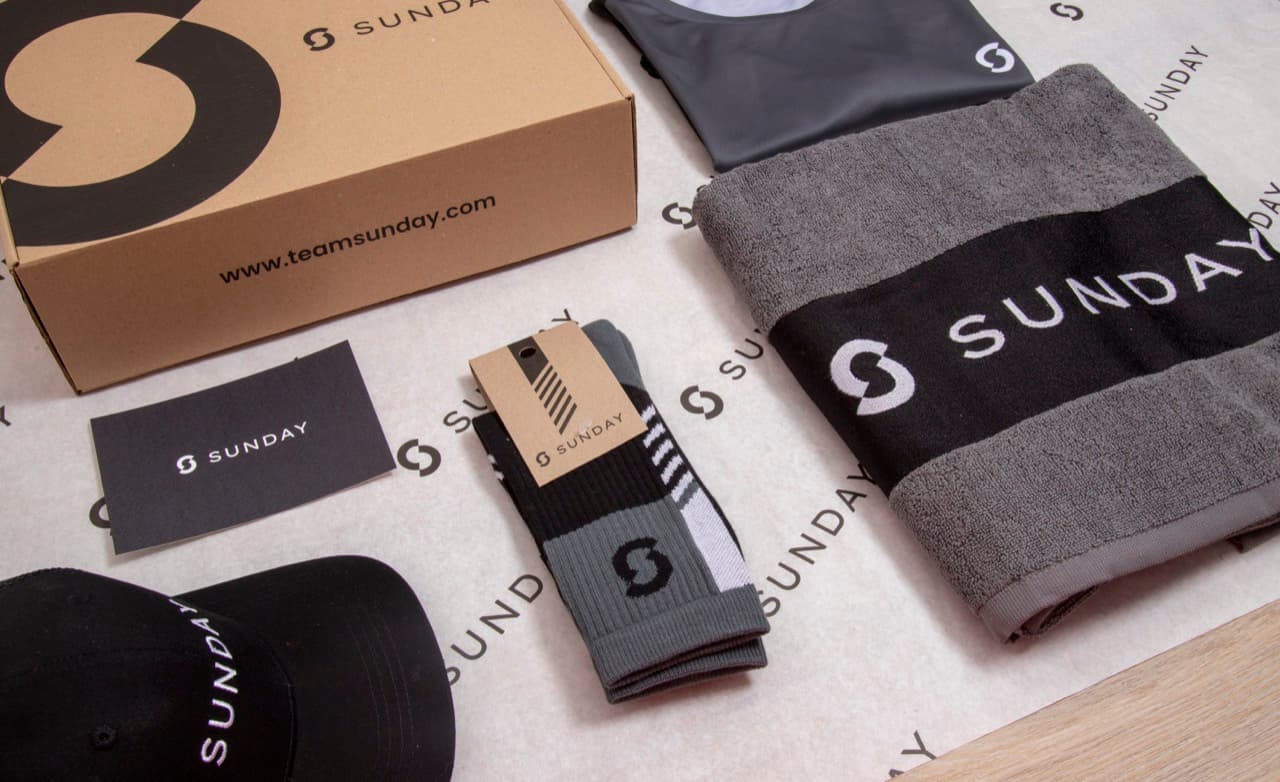
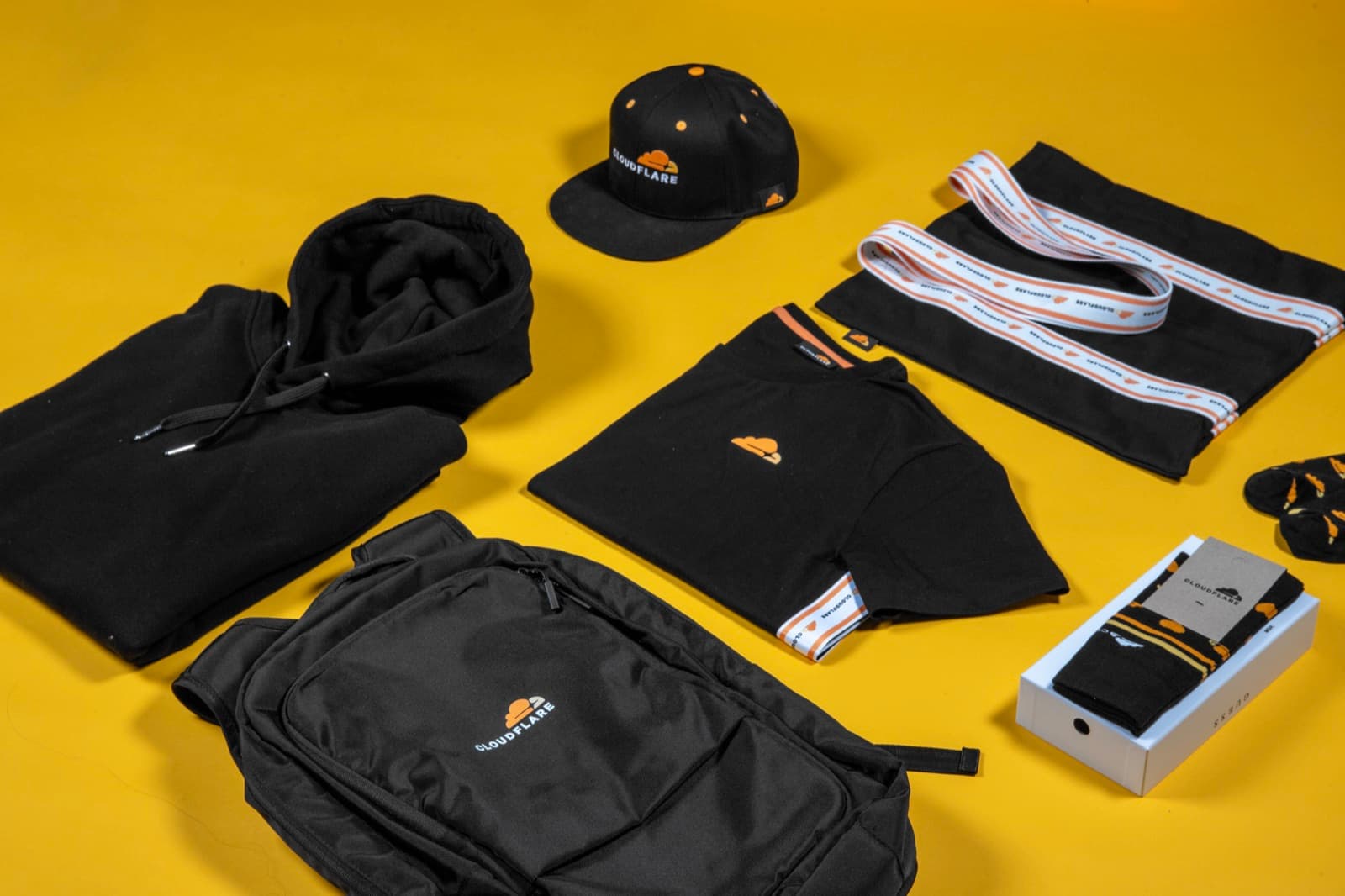
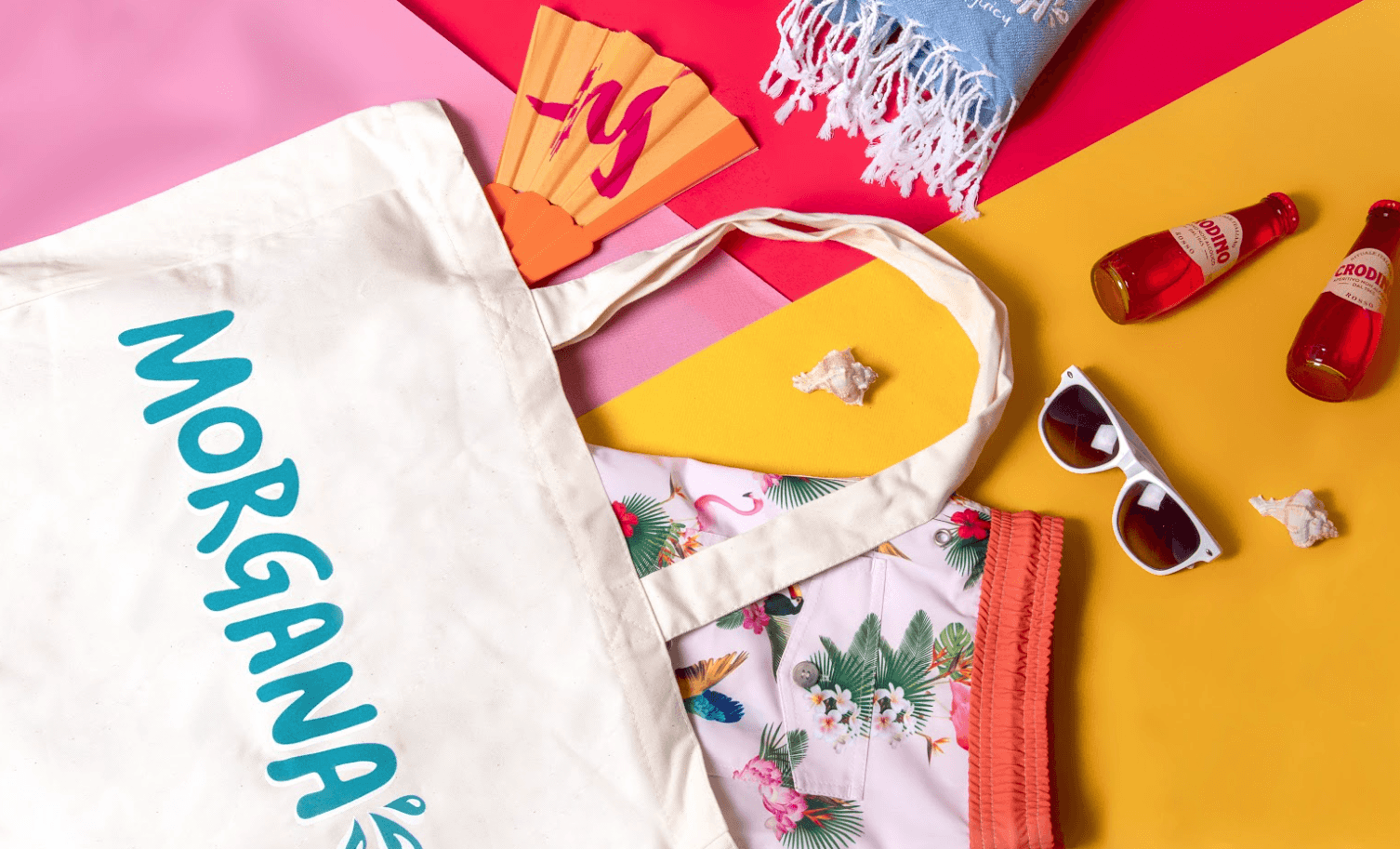
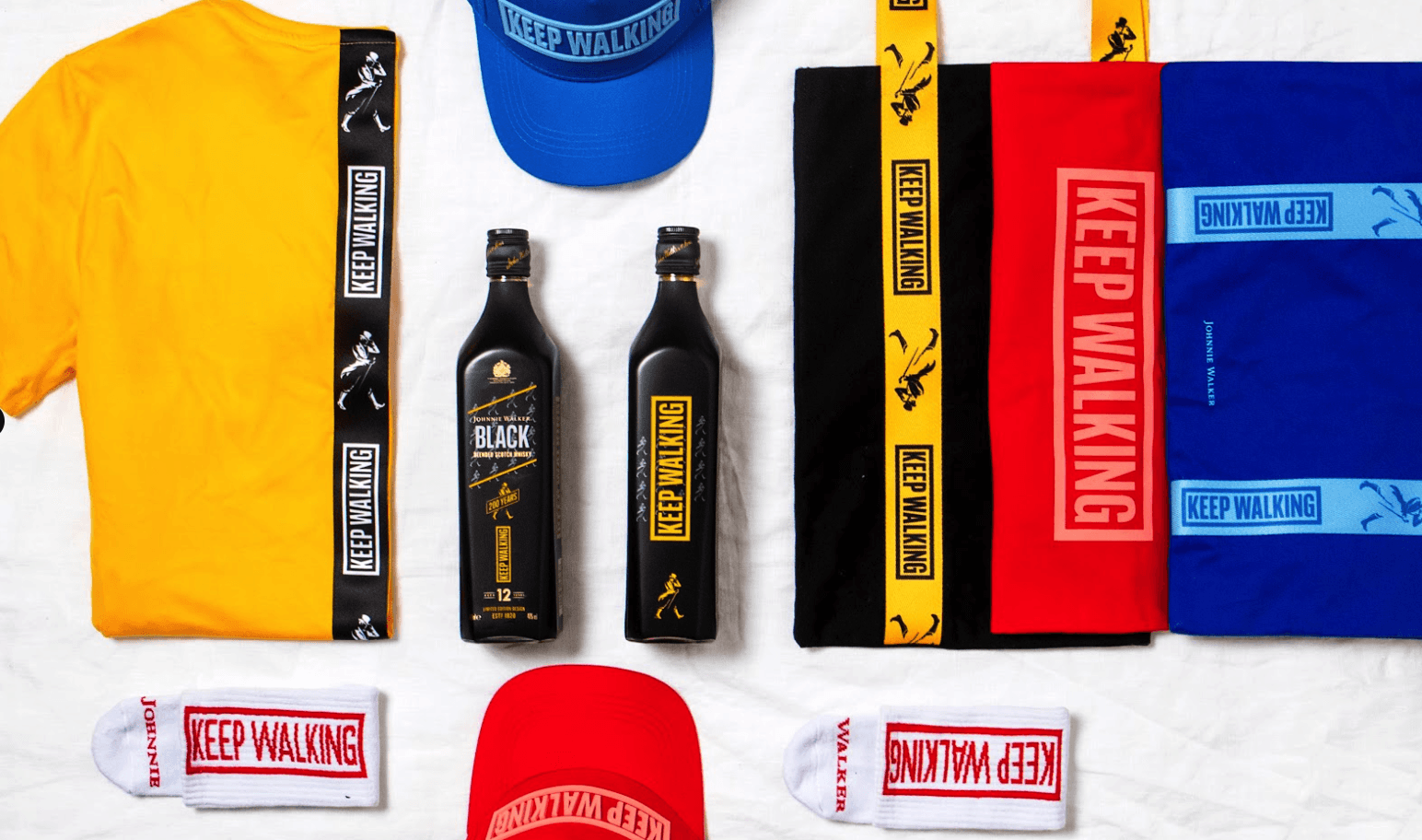
Merchandise kitting is the practice of assembling individual products into predetermined bundles, creating a unified package that is ready for distribution and sale. This process not only facilitates efficient inventory handling but also aligns with consumer demands for convenience, thus driving sales.
“Merchandise kitting is the art of assembling separate items into cohesive sets. It enables efficient distribution and meets customer convenience.”
For example, if you produce sporting goods, kitting would involve packaging a tennis racket with a pack of balls and a protective cover, allowing customers to purchase a complete set in one go. This not only simplifies the buying process for consumers but also reduces individual item handling in your warehouse, thereby optimizing the manufacturing process.
The Principles of Effective Merchandise Kitting
At its core, merchandise kitting revolves around creating a streamlined and efficient process that appeals directly to customer needs while optimizing your inventory management through effective product bundling. The fundamental principles include understanding the market demand, identifying complementary products that can be bundled, and ensuring consistent quality throughout the assembly process. By focusing on these principles, you can enhance your operational workflow and meet consumer expectations effectively.
To dive deeper, merchandise kitting requires a strategic approach that begins with thorough market research. Knowing what combinations of products are in demand helps in creating kits that truly resonate with consumers. The next step involves a meticulous selection of products that can be grouped together. This involves analyzing your product offerings to find items that complement each other naturally, providing a complete experience for the customer. Quality control during the kitting process is paramount, as any inconsistencies can undermine the perceived value of the kit. Moreover, efficient packaging and labeling, supported by innovative packing solutions, play essential roles in ensuring kits are easily identifiable and ready for immediate distribution. This well-organized approach not only streamlines logistics but also enhances customer satisfaction by delivering a cohesive product experience.
When executed effectively, merchandise kitting can enhance fulfillment operations, reduce warehouse handling time, minimize shipping errors, increase revenue, and lead to significant cost savings. Such benefits underscore the importance of adopting a methodical approach to kitting within your production processes.
Ultimately, merchandise kitting is a powerful strategy that serves as both a logistics solution and a sales enhancer in today’s competitive market, especially when integrated with innovative approaches like subscription boxes.
4 examples of powerful Merchandise Kitting strategies
Clothing Retailer Collaboration
: A popular clothing store teamed up with a well-known shoe brand to create a limited-edition fashion kit. Customers received a complete outfit, including shoes, accessories, and apparel, all packaged together in eye-catching packaging. This collaboration not only attracted fashion-forward consumers but also fostered brand synergy, capitalizing on shared audiences.
Home Fitness Bundle
: Responding to the growing demand for home workouts, a sports equipment company curated a home fitness bundle. Each kit included a yoga mat, dumbbells, resistance bands, and a workout guide, all of which met the needs of health-conscious individuals staying fit at home. This strategic kit increased the company’s market reach and tapped into the wellness trend.
Gourmet Cooking Sets
: An artisanal food company designed gourmet cooking kits aimed at culinary enthusiasts. These kits paired exotic spices with accompanying recipe cards and specialty kitchen utensils. By providing both ingredients and instructions, they delivered an immersive cooking experience, attracting hobby chefs and boosting repeat sales.
Tech Gadget Integrations
: A leading electronics retailer offered a tech gadget integration kit, bundling a smart speaker, compatible light bulbs, and a home assistant device. This tech-forward kit enabled consumers to transform their living spaces into smart homes effortlessly, thereby driving up sales through enhanced functionality offerings.
6 tips to elevate your Merchandise Kitting strategy
| Tip | Steps |
|---|---|
| 1 | Research Market Trends |
| 2 | Test Kit Prototypes |
| 3 | Collaborate with Influencers |
| 4 | Analyze Competitor Kits |
| 5 | Personalize Kits |
| 6 | Monitor Post-Purchase Feedback |
Frequently Asked Questions
How does merchandise kitting improve operational efficiency?
Merchandise kitting streamlines processes by pre-assembling products into ready-to-ship kits, saving time and reducing handling complexity.
Is merchandise kitting suitable for my business?
Yes, whether you’re in retail, e-commerce, or promotions, merchandise kitting can optimize your offerings, improve customer satisfaction, and boost sales.
What components should be included in a merchandise kit?
An ideal kit includes complementary items that create a comprehensive and attractive package, maximizing value for the customer.
Won’t kitting increase my operational costs?
While there may be initial setup costs, the long-term savings from improved efficiency, reduced shipping expenses, and increased sales typically outweigh initial investments.
Can merchandise kitting be tailored to different markets?
Absolutely, merchandise kitting is adaptable, allowing you to customize kits to meet the unique needs and preferences of various target markets.
What are the benefits of using merchandise kitting over selling individual items?
Kitting enhances perceived value, simplifies purchasing decisions, and often results in higher sales by offering a complete solution to the customer.