

Definition
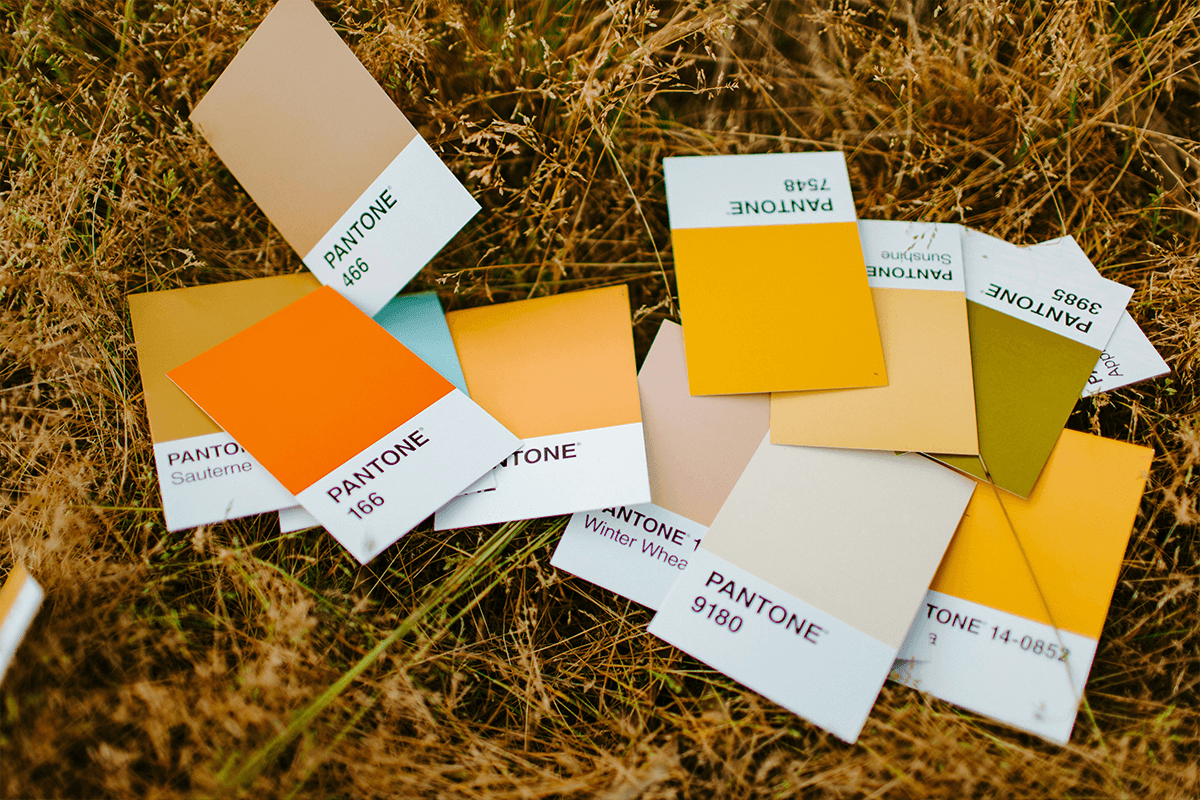
Pantone TCX vs TPX comes down to what the color sits on. TCX is a shade dyed onto cotton fabric, while TPX is the same shade printed with ink on paper. Both belong to Pantone's Fashion, Home and Interiors color library and share the same number, but the material changes how the color reads. That matters the moment you match color on merch.
Definition
TCX and TPX are two formats of the same Pantone Fashion, Home and Interiors color. TCX stands for Textile Cotton eXtended, and TPX stands for Textile Paper eXtended. Both use the same six-digit number, so a shade like 19-4052 Classic Blue exists as 19-4052 TCX and 19-4052 TPX. The only difference is the swatch material. TCX is dyed cotton, TPX is ink on paper. A concrete example: take 18-1663 Fiery Red. The TCX cotton chip shows the true dyed color a mill will aim for, while the TPX paper chip is a printed approximation that can look slightly brighter or flatter than the finished fabric.
How Pantone TCX vs TPX works
The number is shared, the material is not. A TCX standard is cotton dyed to a controlled recipe, so it behaves like the fabric it stands for. Light hits the dyed fibers and scatters the way it will on a finished garment. A TPX standard is the same target printed with ink on coated paper. Paper reflects light differently from cloth, so a TPX chip can read cleaner or more saturated than the dyed result.
This is why TCX is the reference of choice for apparel and textile production. Mills and dye houses match to the cotton standard because it removes guesswork about how the shade lands on fabric. TPX was the affordable paper alternative, handy for early design work and mood boards where a physical fabric chip was not needed. Pantone has since retired the TPX paper format and replaced it with TPG, Textile Paper Green, a paper version with better lightfastness and a closer alignment to the TCX cotton set.
For merch, the practical takeaway is to specify color the way your decorator or manufacturer expects. Dyed apparel, knitwear, and woven items match best to a TCX number. If you are only sharing a color idea on screen or paper, a TPX or TPG paper reference is fine, but confirm the final match against the cotton standard. Cross-referencing is easy because the number stays the same across formats, and you can also map a fashion color to a Pantone spot ink or convert it to CMYK for print.
Pantone TCX vs TPX in branded merch
- Matching dyed apparel. Use a TCX cotton number for tees, hoodies, and caps so the dye house matches the true textile color, not a paper approximation.
- Briefing early concepts. Share a TPX or TPG paper chip during design reviews when you need a quick, low-cost color reference before committing to production.
- Keeping color consistent across suppliers. Quote the same fashion color number and specify TCX so every manufacturer works from the identical cotton standard across a campaign.
Pantone TCX is a color dyed on cotton, and TPX is the same reference printed on paper, so TCX shows more accurately how a shade will look on textile merch.
5 tips to elevate your Pantone TCX vs TPX strategy
| Tip | Steps |
|---|---|
| Specify TCX for dyed textiles | Give the cotton number so mills match the real fabric color. |
| Use paper chips for early ideas | Share TPX or TPG references for mood boards and quick approvals. |
| Check the format suffix | Confirm whether a code ends in TCX, TPX, or TPG before you order. |
| Move to TPG for a new paper set | TPX is retired, so choose TPG when you buy paper guides today. |
| Approve on a real dyed sample | Sign off color on a lab dip or sample, not from a chip alone. |
Key Terminologies
Frequently Asked Questions
What is the difference between Pantone TCX and TPX?
TCX is a color dyed on cotton fabric, while TPX is the same Pantone number printed with ink on paper. TCX shows textile color more accurately, so it is the standard for apparel.
Do TCX and TPX share the same number?
Yes. A Pantone fashion color like 19-4052 keeps the same six-digit number in both formats. Only the suffix and the material change, so TCX and TPX cross-reference directly.
Is TPX still available from Pantone?
Pantone has retired the TPX paper format. It was replaced by TPG, Textile Paper Green, which offers better lightfastness and a closer match to the TCX cotton standards.
Which should I use for merch, TCX or TPX?
Use TCX for dyed apparel and textiles because it matches the real fabric. Use a paper chip like TPG only for early color ideas, then confirm against the cotton standard.
Why does a TPX chip look different from the dyed result?
Paper reflects light differently from dyed cotton. Ink on paper can appear brighter or flatter than the same shade on fabric, which is why textile matching relies on TCX.