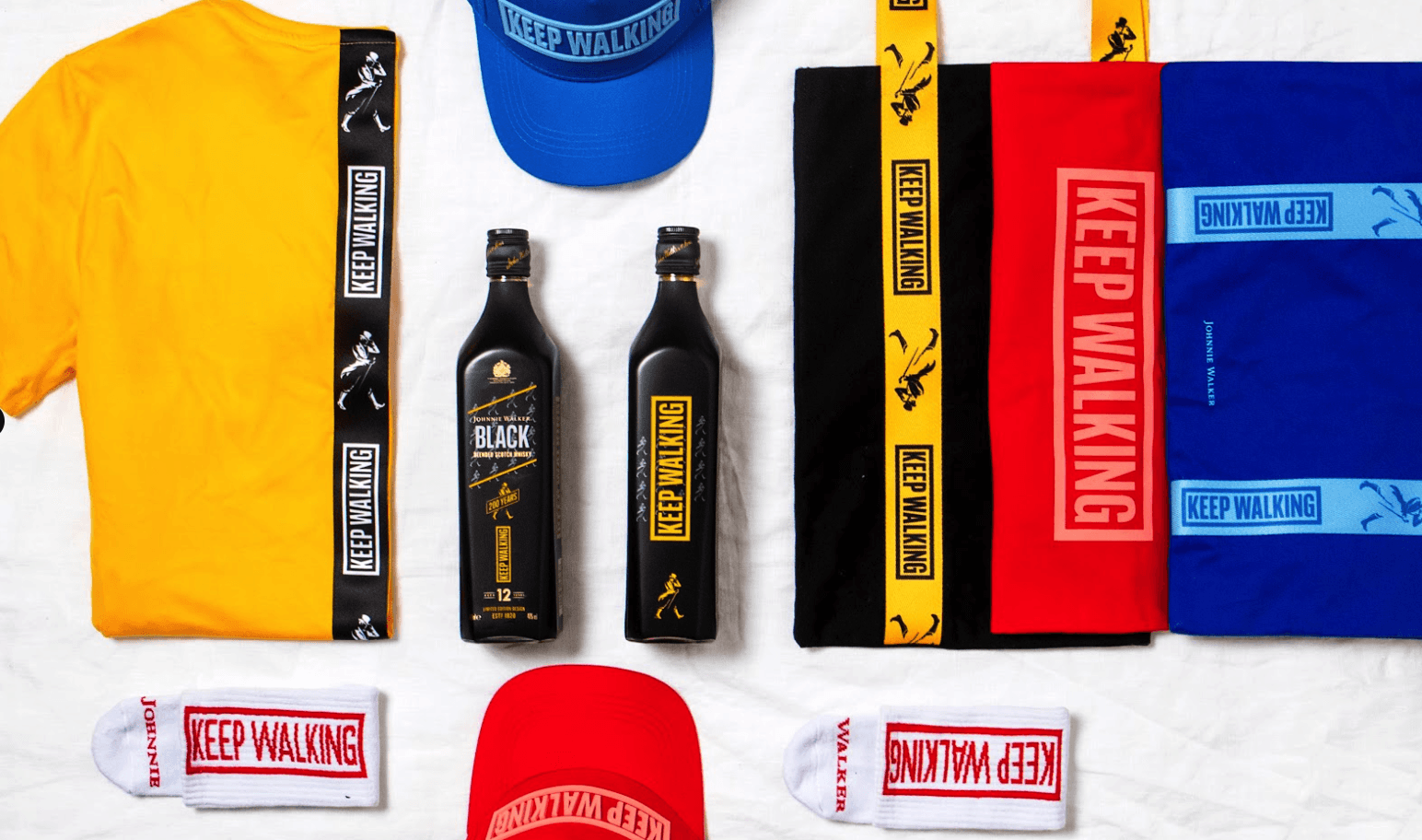

Definition
Product samples are preliminary versions of a product crafted to demonstrate the intended appearance, materials, and performance characteristics before the full production run. They serve as an essential tool for validating design concepts, ensuring quality control, and facilitating communication among all stakeholders involved in the manufacturing process.
“Product samples are preliminary versions crafted to showcase a product’s design and performance. They help validate design concepts and ensure quality control.”
Imagine you run a textile company, and you’re launching a new line of eco-friendly shirts. Before committing to large-scale production, you create a sample shirt to assess its fabric, fit, and overall aesthetic. This sample allows you to review its alignment with your sustainability goals, consult with designers for any needed adjustments, and present it to retail partners who can provide valuable feedback.
The Principles of Effective Product Samples
The concept of product samples is rooted in ensuring quality and gaining market insights. These samples act as a bridge between initial prototype stages and full-scale manufacturing. They serve as the baseline standard against which you can evaluate all aspects of your offering, from design integrity to material consistency. By employing a rigorous sampling process, companies can preemptively address potential issues, thereby safeguarding against production errors and maintaining brand reputation.
Creating a variety of effective product samples involves a meticulous process that requires close collaboration between designers, manufacturers, and stakeholders. You’ll begin by selecting materials that align with your brand ethos and intended functional capabilities. Expert craftsmanship is essential in producing an accurate representation of the final product. Once crafted, this initial sample undergoes rigorous testing to verify its durability, compatibility with sustainability benchmarks, and aligns with market expectations. Your team may meet several times to tweak the sample’s fit, color, or style, ensuring that it resonates with target consumers and meets industry standards. This phase allows for the identification and mitigation of any inefficiencies or shortcomings before the product sees the light of day.
Moreover, free product samples offer a strategic advantage in marketing and sales efforts. They provide tangible proof of a product’s benefits, allowing potential retailers and customers to experience firsthand the unique characteristics that differentiate your offering. These samples also serve as strategic tools in negotiation processes and can lay the groundwork for long-lasting partnerships.
Using product samples effectively not only ensures quality control but also strengthens stakeholder trust and enhances market readiness.
3 examples of powerful Product Samples strategies
Pre-Production Sample:
As the name suggests, these are crafted before mass production begins. They represent the final version after all changes from prototypes have been incorporated, reflecting what the customer will ultimately receive. This sample is used to approve quality, design, and adherence to specifications, making it indispensable in the final decision-making process.
Fit Sample:
These samples are crucial for evaluating the sizing and fit of garments. Typically, fit samples are tried on models or mannequins of different sizes to try and assess whether the dimensions and proportions meet the desired standards. It provides an opportunity to make necessary adjustments and ensure ultimate comfort for the wearer.
Sales Sample:
Developed concurrently with fit samples, sales samples are intended for marketing purposes. They allow your sales team to showcase the product to buyers, giving them a firsthand look at style and quality before committing to purchase orders. These samples play a pivotal role in generating interest and securing orders from retailers.
7 tips to elevate your Product Samples strategy
| Tip | Steps |
|---|---|
| Prioritize Feedback | Actively gather feedback from a diverse group of stakeholders and incorporate their insights. |
| Optimize Resource Management | Efficiently manage your resources, including manpower and materials, to ensure timely sample creation. |
| Maintain Clear Communication | Foster open communication channels among all involved parties for seamless coordination. |
| Implement Robust Testing | Conduct rigorous testing on product samples to evaluate their durability and functionality. |
| Utilize Digital Prototyping | Leverage digital modeling to streamline the design and revision process before physical sampling. |
| Document Iterations | Keep detailed records of each sample iteration to track changes and improvements over time. |
| Explore Industry Trends | Stay informed about emerging trends in sampling techniques and technologies. |
Key Terminologies
Frequently Asked Questions
How do product samples impact production timelines?
Product samples serve as crucial checkpoints in your production journey, identifying potential issues in design and construction early on and thus preventing costly delays during mass production. This emphasis on precision helps maintain adherence to your scheduled timelines.
How do I ensure the quality of my product samples?
To ensure high-quality product samples, work closely with experienced manufacturers, provide detailed tech packs, and conduct thorough evaluations of each sample iteration. Continuous communication and feedback loops will help you refine samples to meet your standards.
Are product samples necessary for all production orders?
While product samples aren’t mandatory for every order, they are highly recommended, especially for new designs or when changing manufacturers. Samples help identify and address potential issues beforehand, ensuring quality and consistency in the final product.
Why might customers hesitate to order product samples?
Customers may hesitate to order product samples due to perceived additional costs or time investment. However, highlighting the long-term benefits of ensuring quality and preventing bulk order discrepancies can help mitigate these concerns.
Can product samples improve customer engagement?
Absolutely. Well-made product samples can significantly boost customer engagement by providing a tangible preview of the final product, fostering trust and excitement among buyers, and ultimately encouraging larger orders.
What should I include in my tech pack for effective sampling?
Your tech pack should include design sketches, detailed measurements, material specifications, construction notes, and any special instructions necessary for creating accurate product samples. This comprehensive approach ensures clear communication with your production partners.