Definition
A spec sheet is the document that records every exact detail of a product: composition, fabric weight, measurements, colour codes, decoration placement, trims and packaging. A factory quotes from it, a sample is checked against it, and a reorder is produced from it. It is the difference between asking for a navy hoodie and receiving the hoodie you had in mind.
Definition
A spec sheet, short for specification sheet, is a one to three page summary of everything measurable about a product. Composition and fabric weight. A size grid with points of measure and tolerances. Colourways with Pantone references. Trims, labels, the decoration method with its placement and artwork file, packaging and care. Anything a supplier could reasonably guess wrong belongs on it.
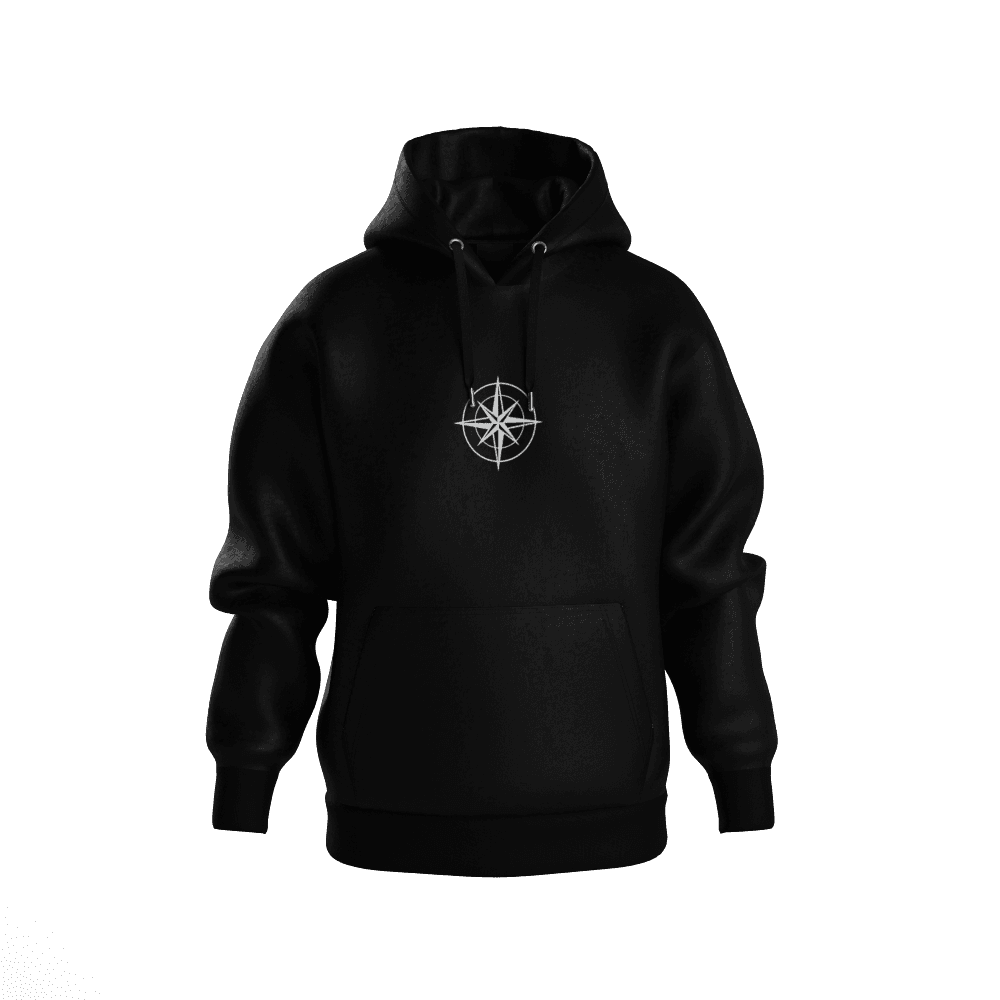
A concrete example. The spec sheet for a company hoodie reads: 85 percent organic cotton and 15 percent recycled polyester, brushed-back French terry, 320 gsm, body colour Pantone 19-4024 TCX, sizes XS to 3XL, chest measured flat 2 cm below the armhole, tolerance plus or minus 1 cm, woven neck label, logo embroidered 90 mm wide and centred 220 mm below the high point of the shoulder, thread Madeira 1043, packed one per recycled polybag. Nothing is left to interpretation.
How a spec sheet works
The sheet travels with the order. It goes out with the request for quotation, attaches to the purchase order, sits on the cutting table during the first sample run, and reappears when an inspector checks the finished goods. Every empty field is a decision someone in a factory makes for you, usually the cheapest or fastest one, and usually without ever seeing your brand.
Three fields carry most of the risk. Measurements need defined points of measure, so both sides measure chest width the same way, plus a tolerance, because nothing leaves a factory accurate to the millimetre. Colour needs a code, not a name: Pantone TCX for textiles, coated or uncoated for print and hard goods, tied to your Pantone standard rather than the word navy. Decoration needs an anchor. On the chest is not a placement. 220 mm below the high point of the shoulder is, and it gives the same result in two factories on two continents. The artwork is attached as a named file, usually a print-ready PDF, with a version number.
Two trade-offs are worth naming. Over-specifying costs money, because tight tolerances, exotic trims and custom-dyed colours push up price and lead time. Under-specifying costs more, because the correction lands after production. And a spec sheet is not a tech pack. A tech pack is the fuller brief used to build a product from scratch, with construction, seam types, a bill of materials and pattern files. A spec sheet describes the finished product, and it is what most merch programmes actually run on.
Spec sheets in branded merch
- Comparing suppliers on the same terms: one sheet to three factories makes the quotes comparable. Without it, one prices 180 gsm and another 240 gsm, and the cheapest is simply the thinnest.
- Sample approval and quality control: the approved sample is signed against the sheet and becomes the golden sample. Inspectors measure production against the written tolerances, so a pass or fail is a number, not an opinion.
- Reorders across regions: eighteen months later, a different buyer sends the same sheet to a different factory, and the hoodie comes back the same.
A spec sheet is the reference document that defines a product's exact materials, measurements, colours and decoration so every quote, sample and reorder matches.
5 tips to elevate your Spec sheet strategy
| Tip | Steps |
|---|---|
| Version every sheet | Version number and date in the header. Old sheets circulating by email are the main cause of wrong reorders. |
| Anchor the decoration | Measure logo placement from a fixed point such as the high point of the shoulder, never by eye. |
| Use colour codes only | Replace every colour name with a Pantone reference and state whether it is TCX, coated or uncoated. |
| Set tolerances you can accept | Plus or minus 1 cm on apparel is normal. Tighter costs you in price and in rejects. |
| Attach, do not describe | Link the artwork file and the thread or ink codes. A logo described in words is a rejected sample waiting to happen. |
Key Terminologies
Frequently Asked Questions
What is included in a spec sheet?
A spec sheet lists the product name and code, materials and fabric weight, a graded size grid with points of measure and tolerances, colour references, trims and labels, decoration method with exact placement and artwork file, packaging, care instructions and country of origin.
What is the difference between a spec sheet and a tech pack?
A tech pack is the full design and construction brief for a product built from scratch, including seams, patterns and a bill of materials. A spec sheet describes the finished product and its decoration, which is what most branded merch orders need.
Who writes the spec sheet?
Usually the buyer or the merch platform, with the supplier filling in what they can confirm. The important part is that one party owns it and versions it, rather than three people editing separate copies.
Why do spec sheets need version numbers?
Because merch gets reordered. A sheet without a version number will eventually be used to produce a batch that no longer matches the current product, and nobody notices until the boxes arrive.
Do I need a spec sheet for a simple printed t-shirt?
Yes, and it can be short. Blank reference, fabric weight, colour code, print method, print size and placement, and the artwork file. That single page is what makes next year's reorder match this year's shirt.