Definition
Tubular vs side-seamed describes the two ways a t-shirt body is built. A tubular tee is knitted as one continuous tube, so there are no seams running down the sides. A side-seamed tee is cut from flat panels and stitched at both sides, which lets the maker shape the garment. That single construction choice drives fit, sizing consistency, how the shirt behaves after washing, and price.
Definition
Tubular construction knits the body as a circular tube on a large circular knitting machine. The tube is cut to length, sleeves and collar are attached, and the garment is finished. Side-seamed construction knits a flat roll of fabric, cuts front and back panels, then joins them with a seam under each arm. Pick up a blank tee and run a finger down the side: if you feel a stitched ridge from armpit to hem, it is side-seamed. If the fabric is smooth all the way around, it is tubular.
How tubular vs side-seamed works
Tubular tees are the cheaper build. The tube comes off the machine at a fixed diameter, so a run of sizes is often made from a small number of tube widths. The result is a wide, straight body with a boxy silhouette. It also means the width does not always scale in step with the length, so a 2XL tubular tee can feel very wide and relatively short. Because the knit is spun in a spiral, tubular fabric is prone to torque, also called spirality: after a few washes the side of the shirt can visibly twist toward the front. Modern finishing reduces this, but it never disappears entirely.
Side-seamed tees start from flat fabric, which gives the pattern maker control. Panels can be tapered at the waist, dropped at the shoulder, or shaped for a fitted women's cut. Grading between sizes is cleaner, so the jump from M to L changes width and length in proportion. The seam itself acts as an anchor, so the body resists twisting and keeps a straight hem line. The trade-off is cost. Cutting, sewing, and the extra thread add labour to every unit, which is why side-seamed blanks usually sit a tier above tubular in price.
Fabric quality is a separate variable, but the two tend to travel together. Tubular blanks are often built from open-end yarn at a mid weight, while side-seamed blanks lean toward ring-spun cotton and higher GSM. That is a market habit, not a rule. You can find heavyweight tubular boxy tees in streetwear and lightweight side-seamed tees in fashion ranges.
Tubular vs side-seamed in branded merch
- High-volume giveaways. Choose tubular for conference handouts, festival crews, and any run where unit price and fast availability matter more than a tailored look.
- Premium and retail-style drops. Choose side-seamed for merch people are meant to keep or buy, since the shaped body and clean hem read as a real garment rather than a promo shirt.
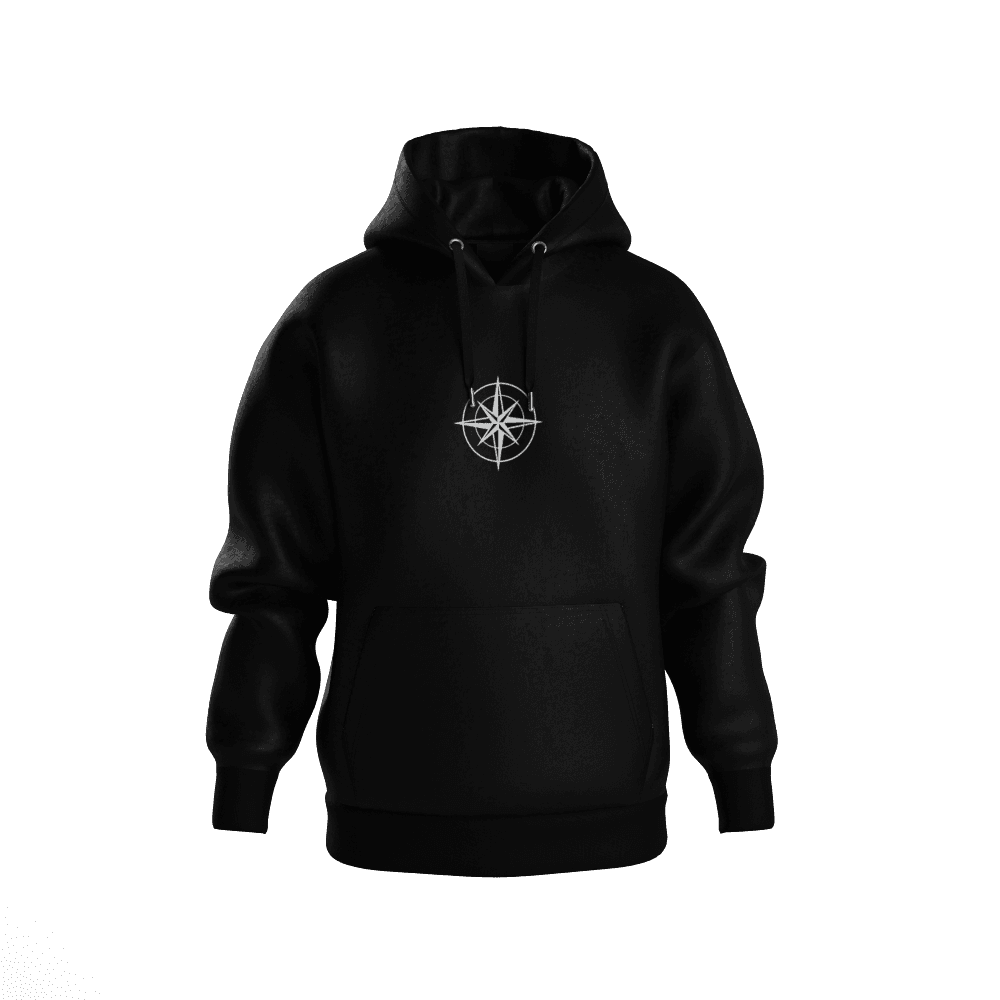
- Oversized and streetwear styling. Use a heavyweight tubular or boxy-cut blank on purpose when the brief calls for a wide, cropped, drop-shoulder look with a large front print.
A tubular garment is knitted as a seamless tube for a boxy, lower-cost body, while a side-seamed garment is cut and sewn at the sides so it can be shaped and holds that shape through washing.
5 tips to elevate your Tubular vs side-seamed strategy
| Tip | Steps |
|---|---|
| Feel the side seam | Check a sample by running a finger from armpit to hem before you approve a blank. |
| Read the size chart | Compare chest width across sizes; tubular charts often jump in width but not length. |
| Wash-test for twist | Wash a sample three times at 30C and look for the side of the body rotating forward. |
| Match build to budget | Use tubular when volume drives the decision, side-seamed when perceived value does. |
| Check print placement | On tubular blanks, centre the print off the knit spiral so a later twist does not pull it off-axis. |
Key Terminologies
Frequently Asked Questions
Is a side-seamed t-shirt better than a tubular one?
Better depends on the job. Side-seamed shirts fit more like retail garments and resist twisting, while tubular shirts cost less and suit boxy or oversized styling. Both can be made in excellent fabric.
Why does my tubular t-shirt twist after washing?
Circular-knit fabric is formed in a spiral, so the yarn wants to relax at an angle. With no side seam to hold the body straight, that relaxation shows up as a visible twist. Compacting and finishing reduce it, but do not remove it.
How can I tell if a t-shirt is tubular or side-seamed?
Run a finger down the side of the body from armpit to hem. A stitched ridge means side-seamed. Smooth, unbroken fabric means tubular.
Are tubular t-shirts cheaper?
Yes, usually. Tubular construction skips the cutting and sewing of side panels, which removes labour from each unit, so tubular blanks typically sit at a lower price point than comparable side-seamed ones.
Does construction affect how a print looks?
It affects placement more than print quality. Side-seamed bodies stay square, so a chest print stays centred. On tubular bodies, later twisting can pull a large print slightly off-axis, so allow for it when you position artwork.