


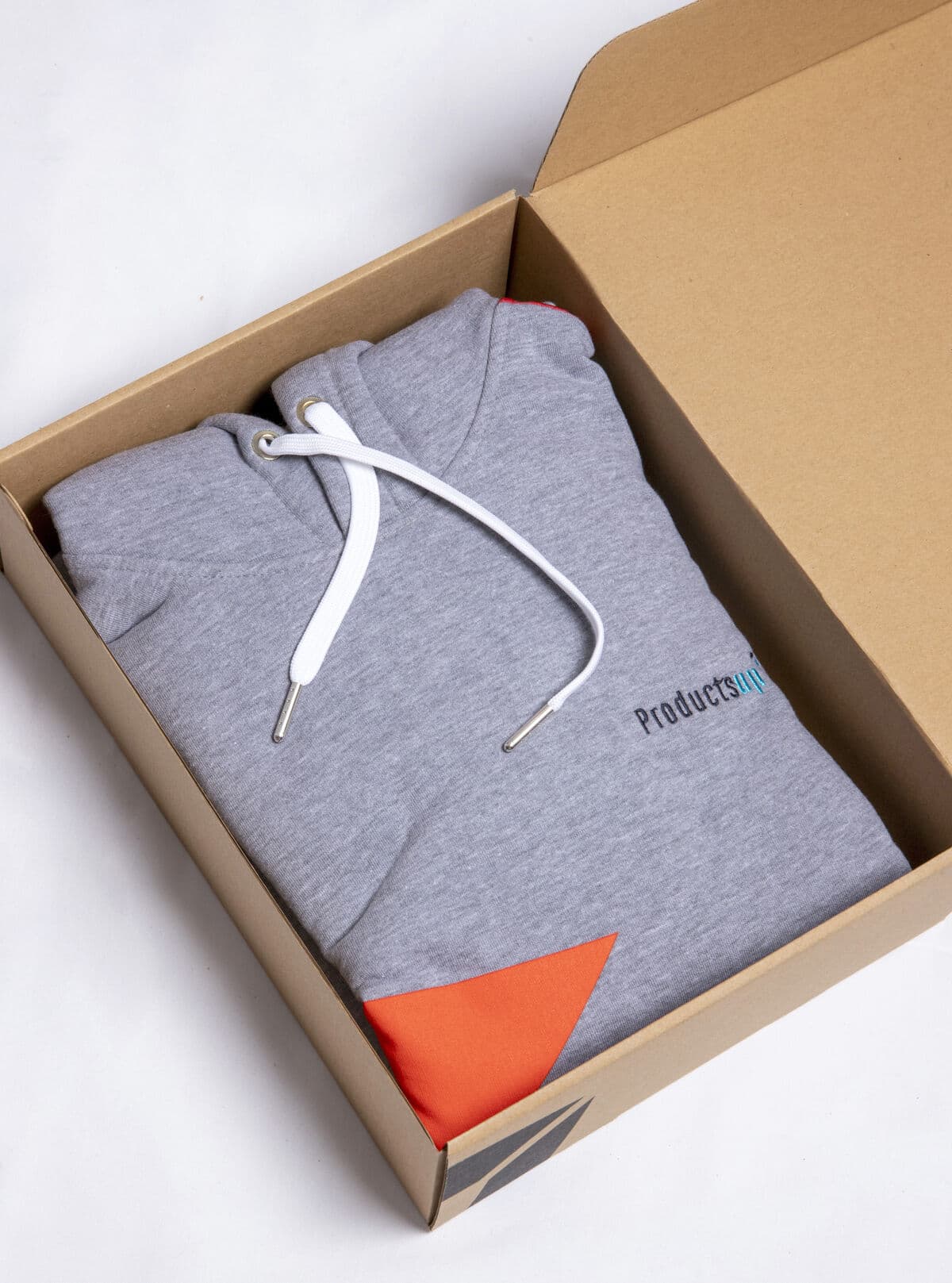
To measure new hire welcome kit ROI, track five things: redemption rate (the share of new hires who claim their kit), time-to-claim, wear rate (how often the kit is actually used afterwards), social shares, and the link to early retention. A self-serve redeem link captures redemption, timing and choices automatically; wear rate takes two extra questions in a 90-day check-in. Set the spend, typically €50 to €100 per box, against onboarding outcomes: great onboarding drives roughly 82% higher retention, which dwarfs the kit cost.
The reason welcome kits get cut first is that HR teams assume they cannot be measured, so they cannot be defended. With the right setup they are among the easier gifting programs to track, because every kit is claimed through a link you control. Here are the metrics, what good looks like, and how to connect them to the numbers a CFO cares about.
The five metrics that matter
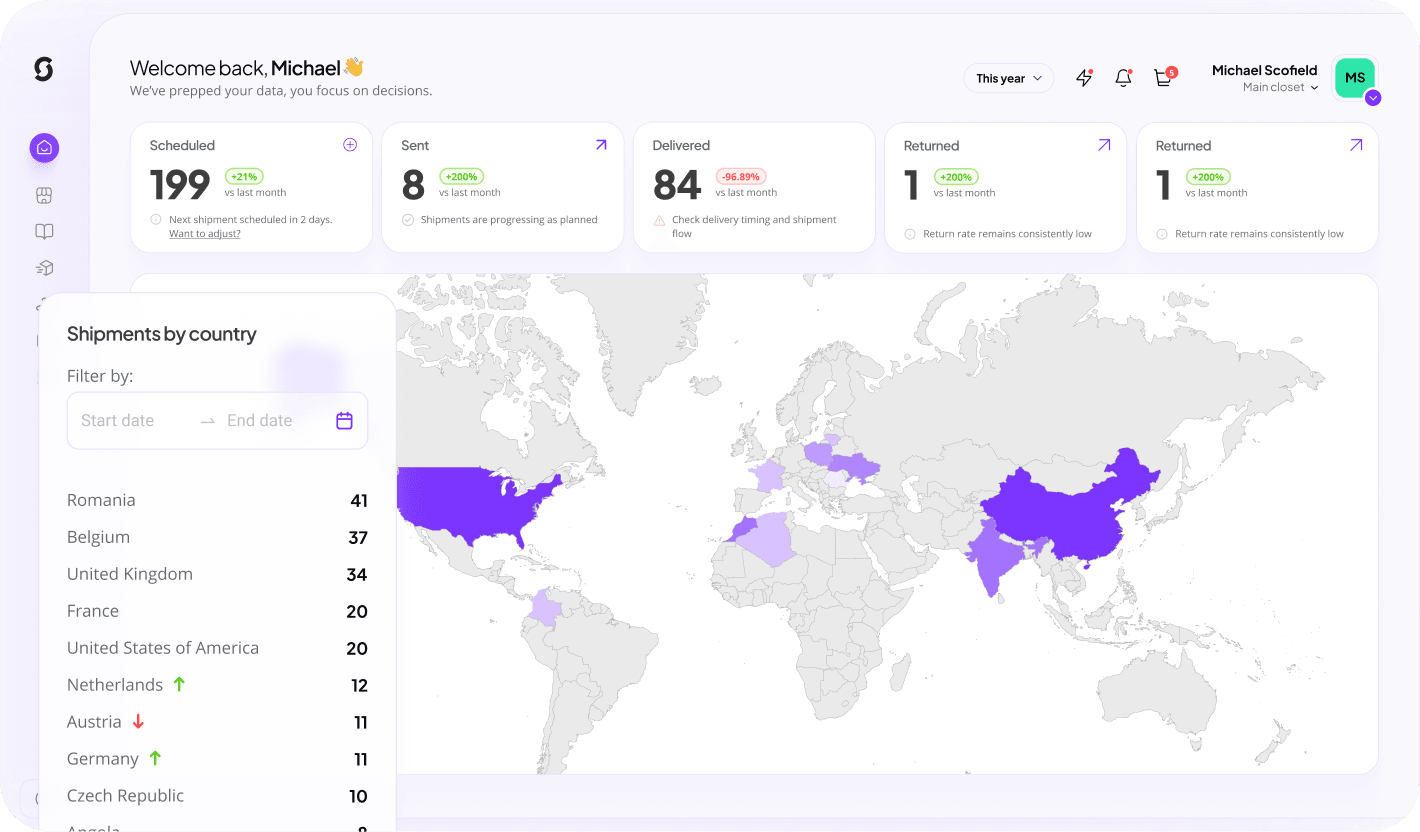
Every kit claimed through a redeem link is a data point: who claimed, when, and what they chose.
- Redemption rate. The percentage of new hires who claim their kit. Because the redeem link requires the recipient to choose a size and confirm an address, a high rate means the kit reached the right people. Low redemption flags a broken trigger or a kit nobody wants.
- Time-to-claim. How quickly people claim once invited. Fast claims mean the timing and the message landed. Track it against your target two-week window, from the week before the start date to the week after.
- Wear rate. How often the kit is actually used after it arrives. This is the metric almost nobody tracks, and it decides whether any of the others matter. In a study of a branded merchandise programme run with research agency Sapience and the Vrije Universiteit Brussel, 86% of recipients had worn their item at least once, but the never-worn rate ranged from 5% on the best-performing item to 31% on the worst. Ask it directly at the 90-day mark.
- Social shares. The share of recipients who post about the kit. Expect at least 20% to post on social with a well-made kit, each post a free employer-brand impression.
- Retention link. Whether kitted hires stay and ramp faster. This is the headline outcome, even though the kit is one of several onboarding inputs.
Sensible benchmarks
| Metric | What good looks like |
|---|---|
| Redemption rate | High; most invited hires claim within the window |
| Time-to-claim | Inside the two-week start-date window |
| Wear rate | 86% worn at least once, with under 15% never worn |
| Social-post rate | At least 20% of recipients post |
| Cost per head | €50 to €100 per box |
Treat these as directional, not absolute. The wear-rate figures come from one organisation in one country, so use them as a starting benchmark and replace them with your own numbers as soon as you have them.
A simple ROI model
The maths is more favourable than most expect. At €50 to €100 per box, kitting 100 new hires costs only €5,000 to €10,000, a rounding error next to a single salary or recruitment fee. Set that against the outcomes onboarding drives:
- Great onboarding is linked to around 82% higher retention and 70% higher productivity.
- Yet only about 12% of employees feel their company onboards well, so the kit is a cheap way to stand out.
- Roughly one in three new hires leave within 90 days; a strong first impression helps hold the ones worth keeping.
You do not need the kit to single-handedly move retention. Avoiding even one early, regretted exit per hundred hires more than covers the program. Add the 20% who post, and you also bought employer-brand reach you would otherwise pay for.
The break-even threshold, stated plainly
The strongest version of the business case is not a multiple. It is a threshold: how many retained people does this programme need to pay for itself?
Replacing an employee typically costs €25,000 to €50,000 once recruitment, notice periods and lost productivity are counted. Divide the programme cost by that figure and you get the break-even point.
| Programme | Cost | Break-even, in retained employees |
|---|---|---|
| 100 welcome kits at €75 | €7,500 | 0.15 to 0.3 |
| 100 welcome kits at €100 | €10,000 | 0.2 to 0.4 |
| 500-person merch programme at €40 | €20,000 | 0.4 to 0.8 |
Every one of those numbers is below one. A welcome-kit programme for 100 hires pays for itself if it helps retain a fraction of a single person. That is the sentence to put in the budget request, because it reframes the decision from "is this worth €7,500" to "are we confident this changes nothing at all for even one hire".
The second return: conversations
Retention is not the only output. Merch that gets worn generates conversations, and those can be costed. The study measured the inputs, so the model below uses real numbers rather than assumptions, though the model itself is a projection, not a measured result.
- 500 people, €40 per item: a €20,000 programme.
- 86% wear rate: 430 wearers.
- 12 wearing moments each per year: 5,160 wearing moments.
- 84% of wearers were addressed about the item, at 1.6 to 3.2 conversations per wearer per wearing moment: 8,256 to 16,512 conversations a year.
- 94% of those conversations were positive: 7,761 to 15,521 positive conversations.
- That works out at €1.21 to €2.42 per positive conversation.
Be honest about the comparison. Against paid social at a €40 CPM, an impression costs about €0.04, so merch is 30 to 60 times more expensive per contact. But an impression and a conversation are not the same unit. The fair benchmark is events, sponsorship and field marketing, where a meaningful conversation costs €50 to €200. On that scale, a worn hoodie is one of the cheapest conversation channels available.
The full method, sample, statistical significance and limitations are in the scientific study on company swag and employee engagement. The findings are correlational, not causal, and cover a single organisation.
One design decision that changes the numbers
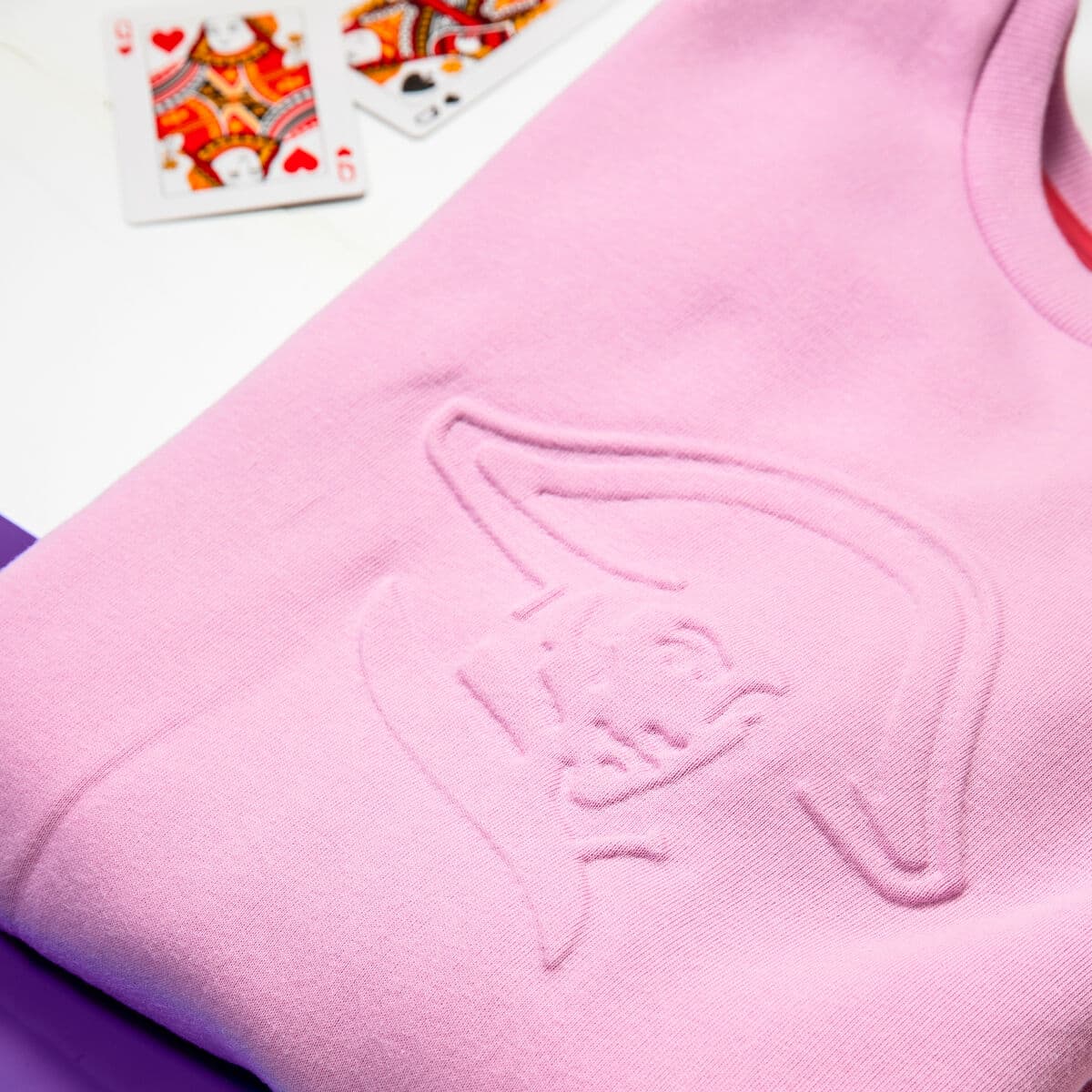
The same study found a gap inside the group that received merch. People whose items carried visible branding reported higher engagement (8.6 versus 8.1) and higher satisfaction (8.4 versus 7.7) than people whose items carried discreet branding. If you are spending €75 a head, a logo hidden inside a collar is spending the money without buying the effect.
How to capture the data automatically
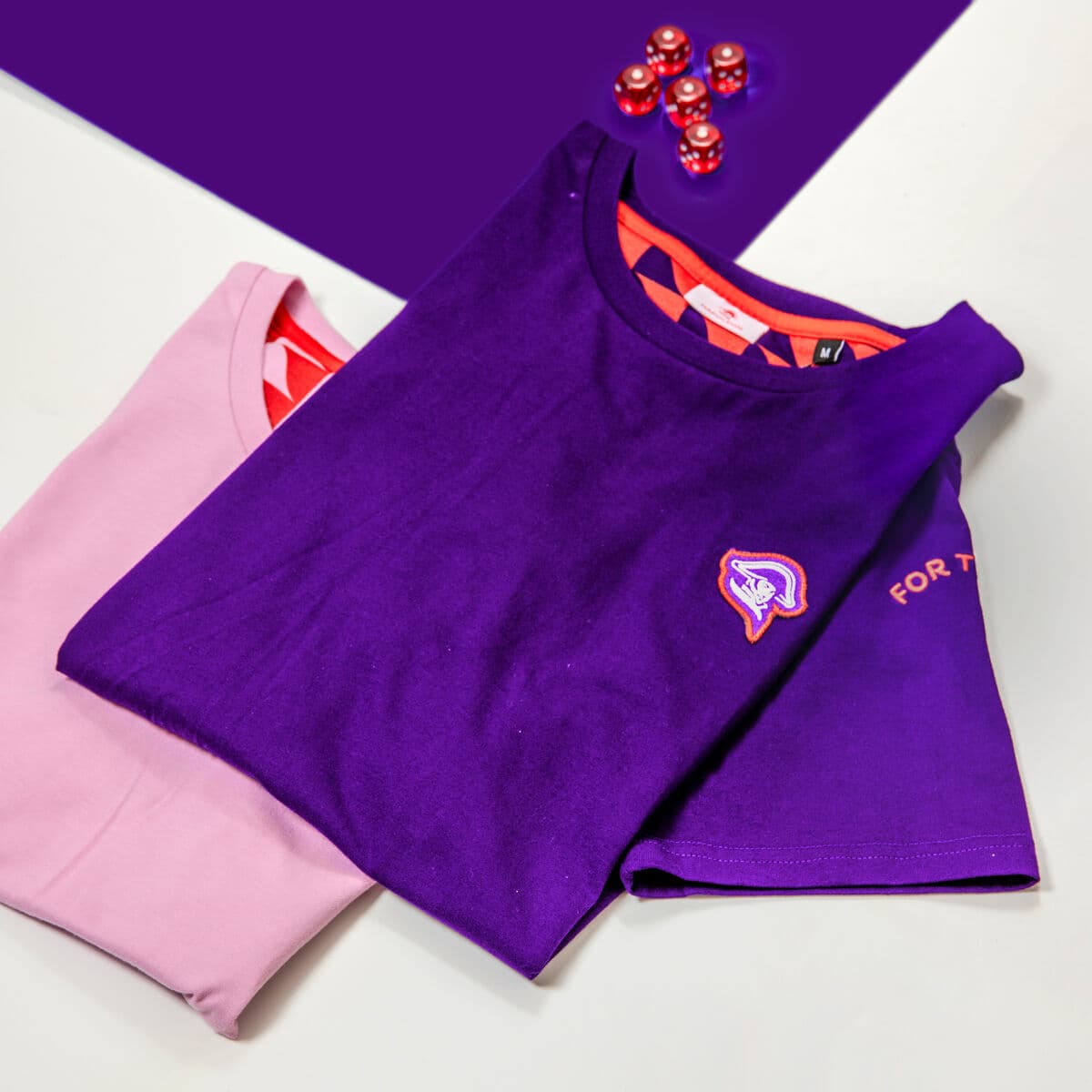
Manual programs cannot be measured, because nobody logs who got what. A self-serve model fixes this. With Sunday, each kit is claimed through a redeem link that captures who claimed, when, the size and variants they chose, and the delivery address. Drop that link into your HR tools, such as Personio, HiBob or Workday, and the data collects itself. Build a kit in the catalog, or see how it works on the platform. The paired hero item is a quality custom hoodie, which you can preview with the free hoodie mockup generator.
Wear rate is the one metric the link cannot capture. Add two questions to your 90-day check-in: how many times have you worn or used it, and has anyone commented on it. Those two lines are what turn a gifting budget into a measured channel, and they are the same questions the study used.
Measuring welcome-kit ROI: questions answered
How do you measure new hire welcome kit ROI?
Track redemption rate, time-to-claim, wear rate, social shares and the link to early retention. A self-serve redeem link captures redemption, timing and choices automatically, and two questions at the 90-day mark capture wear rate. Then set the spend, €50 to €100 per box, against onboarding outcomes such as the roughly 82% higher retention great onboarding is linked to. The kit cost is small next to one avoided early exit.
What is a good redemption rate for welcome kits?
High. Most invited new hires should claim their kit within the two-week window around their start date, because the redeem link makes claiming a size and address quick and simple. A low rate usually signals a broken trigger in your HR automation or a kit that does not appeal, both of which are fixable.
What is the break-even point for a welcome-kit programme?
Divide the programme cost by the cost of replacing an employee, typically €25,000 to €50,000. A hundred kits at €75 is €7,500, so the programme breaks even if it helps retain between 0.15 and 0.3 people. Every realistic welcome-kit budget breaks even below a single retained employee, which is why the retention argument is the strongest one available.
How many new hires actually use their welcome kit?
In a study of a branded merchandise programme run with Sapience and the Vrije Universiteit Brussel, 86% of recipients had worn their item at least once, 9% never had, and 5% had bought it for someone else. The never-worn rate varied sharply by product, from 5% on the best item to 31% on the worst, so item choice matters more than programme design here.
Can gifting really be measured, or is it just goodwill?
It can be measured. The reason gifting feels unmeasurable is manual programs that log nothing. When every kit is claimed through a link you control, you capture who claimed, when, and what they chose, plus social shares. Add wear rate from a check-in survey and you have a programme with redemption, timing, usage and reach data.
How much should a welcome kit cost per head?
Between €50 and €100 per box. Around €50 covers a t-shirt, a bag and desk extras; €75 adds the hero hoodie; €100 leaves room for a unique item. For 100 hires that is €5,000 to €10,000, which is small against a salary or recruitment fee and easily justified by retention gains.
How does a welcome kit affect retention?
The kit is one input into onboarding, and great onboarding is linked to around 82% higher retention and a 69% higher chance of staying three or more years. With roughly one in three new hires leaving within 90 days, a strong first impression helps hold the people worth keeping. Avoiding one regretted early exit typically covers the program several times over.
Keep reading: new-hire welcome kits
- New-hire welcome kits: the complete guide
- The scientific study behind the wear-rate and conversation numbers
- Company swag ideas, with measured wear rates per item
Run a welcome-kit program you can measure
Sunday's redeem links capture redemption, timing and choices automatically. See your kit in your branding in 30 seconds.
Build this campaign