Definition
Brand merchandise is the range of physical products a company designs and owns as an expression of its brand. It is the collection level, the assortment and the point of view behind it, rather than a single logo item. Where branded merchandise describes what has been done to a product, brand merchandise describes the program that decides which products exist in the first place.
Definition
Brand merchandise is treated as product, not as print. It has an assortment, a design language, a quality tier, a price or cost logic, and a reason to exist for the person receiving or buying it. The test is simple. Would someone choose this without the obligation attached to it?
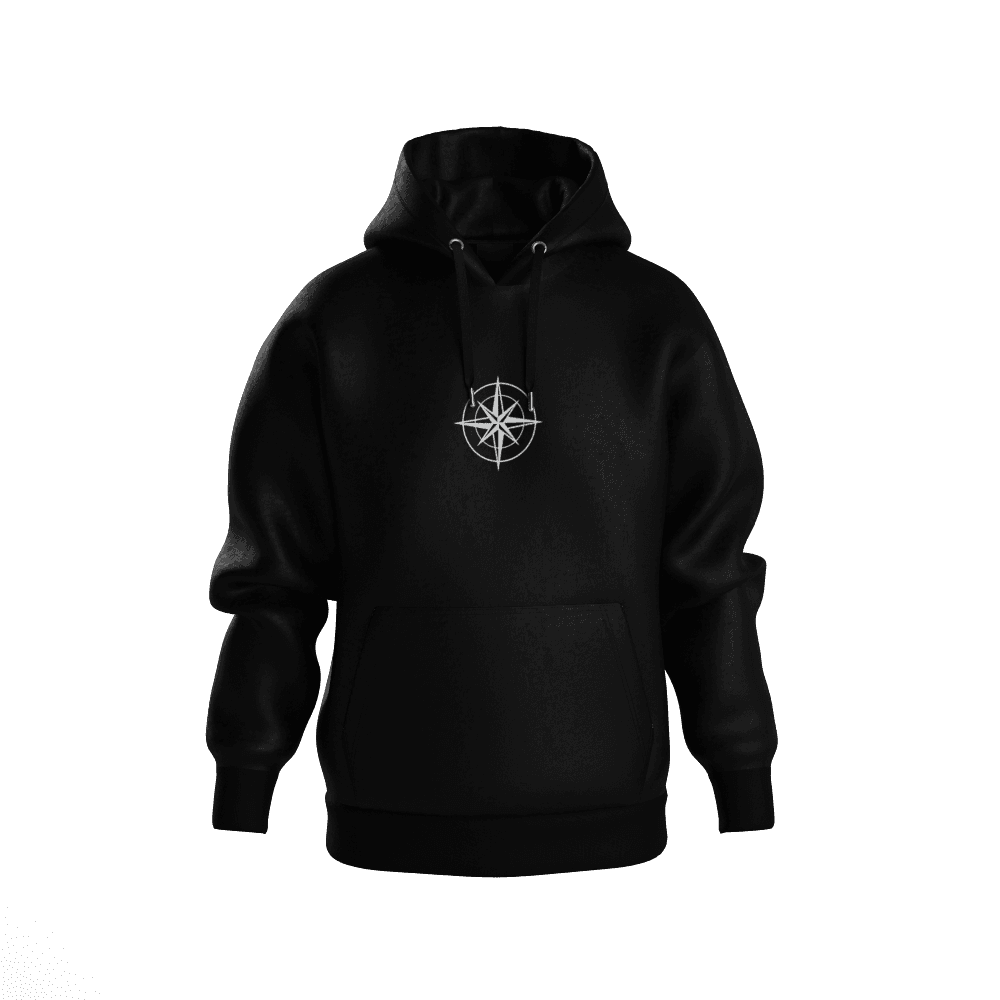
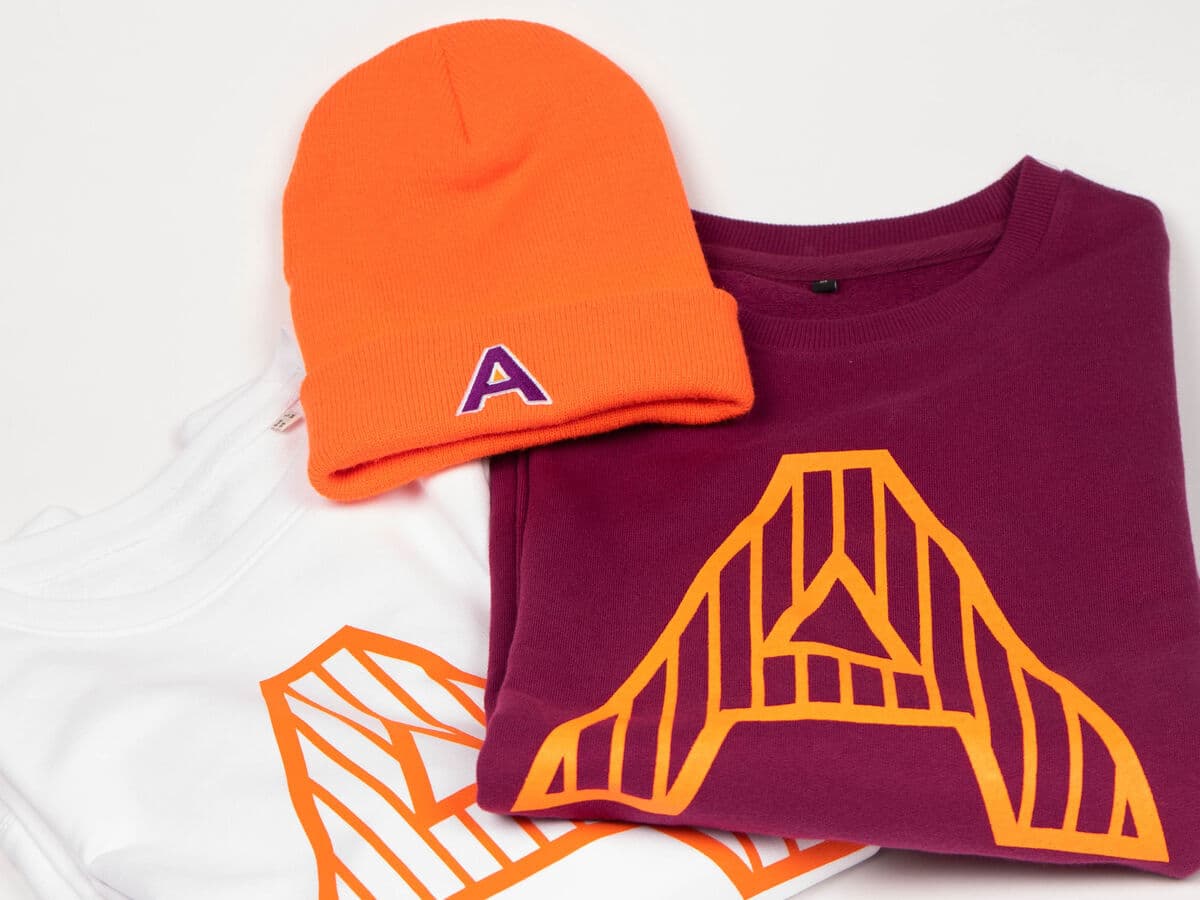
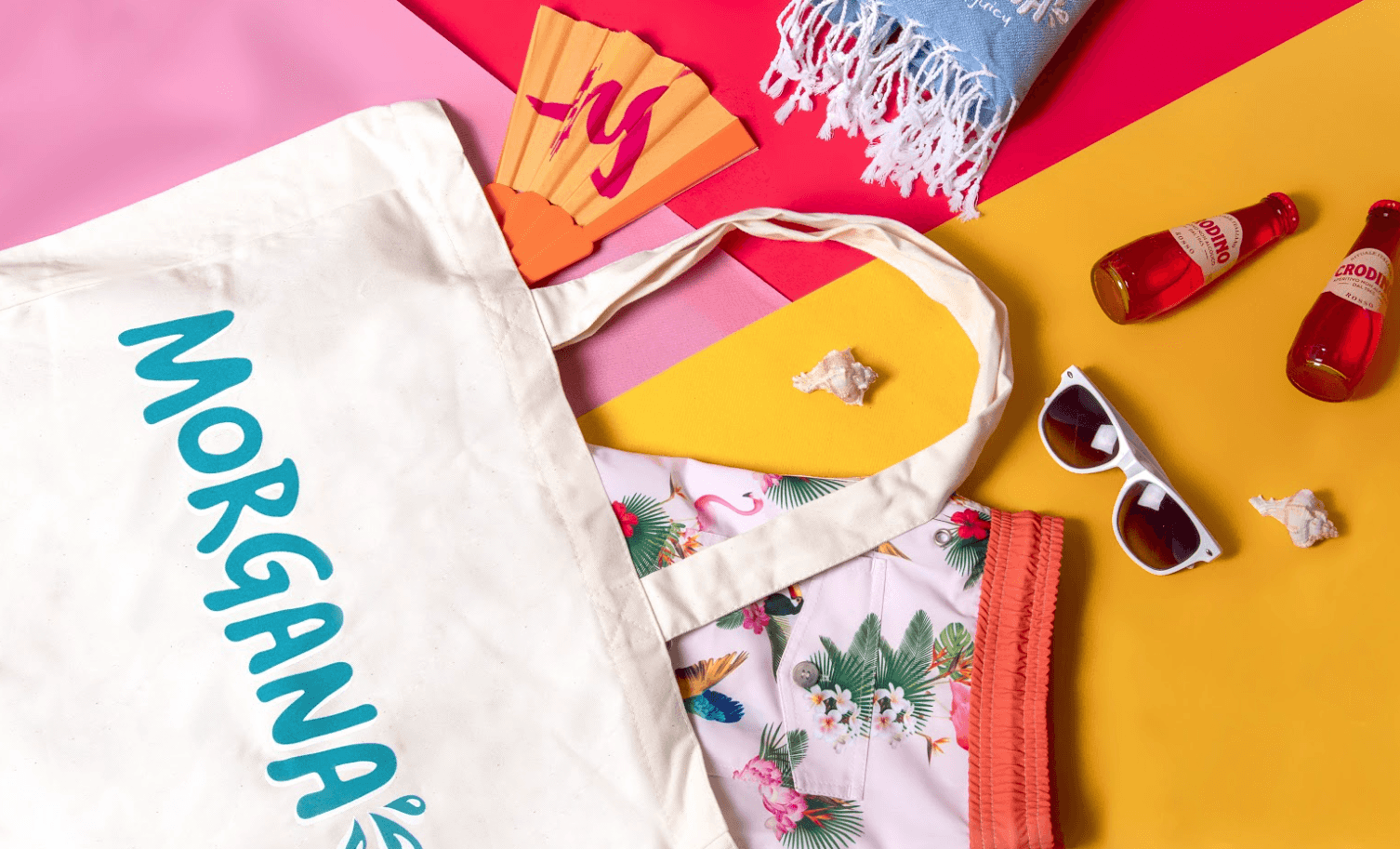
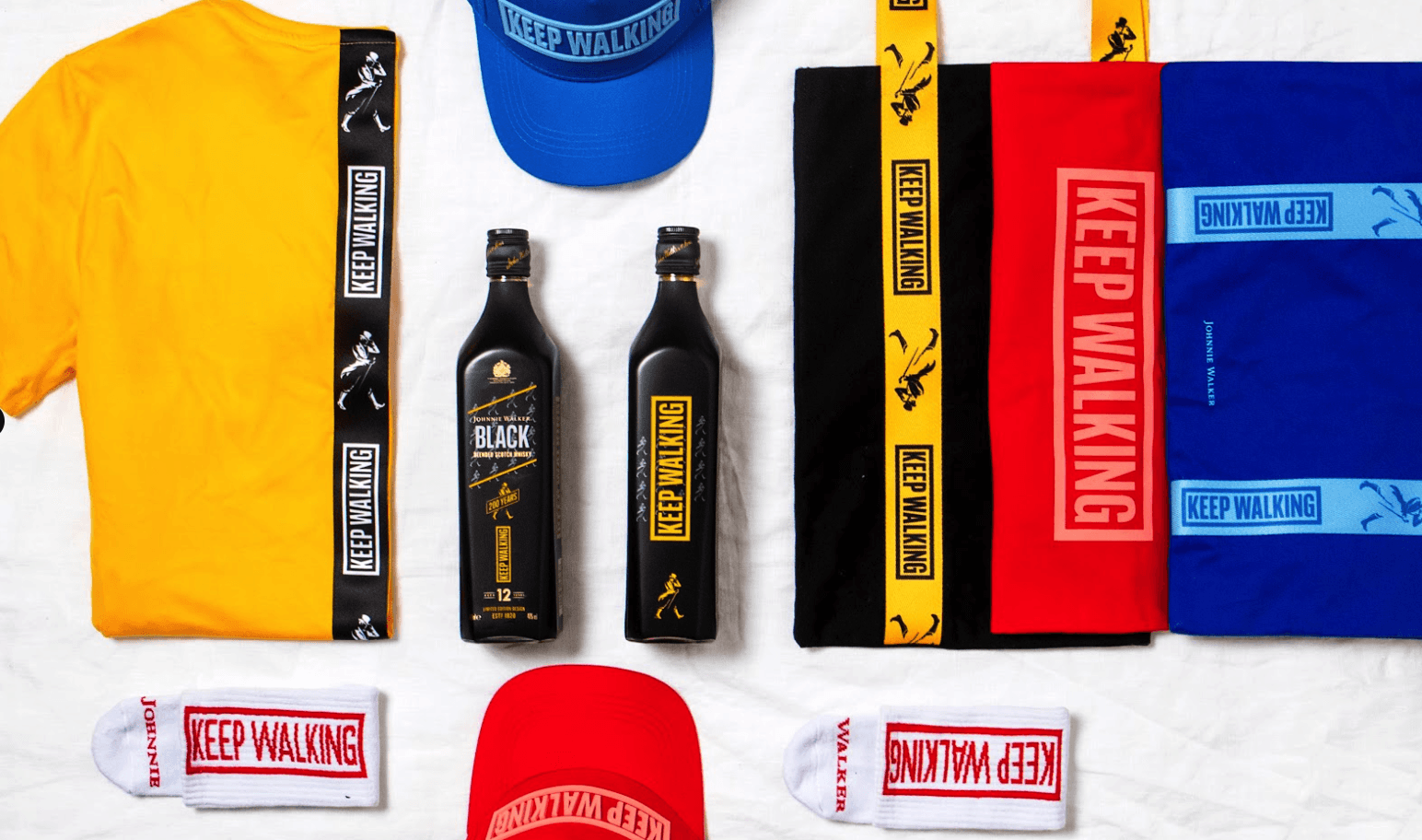
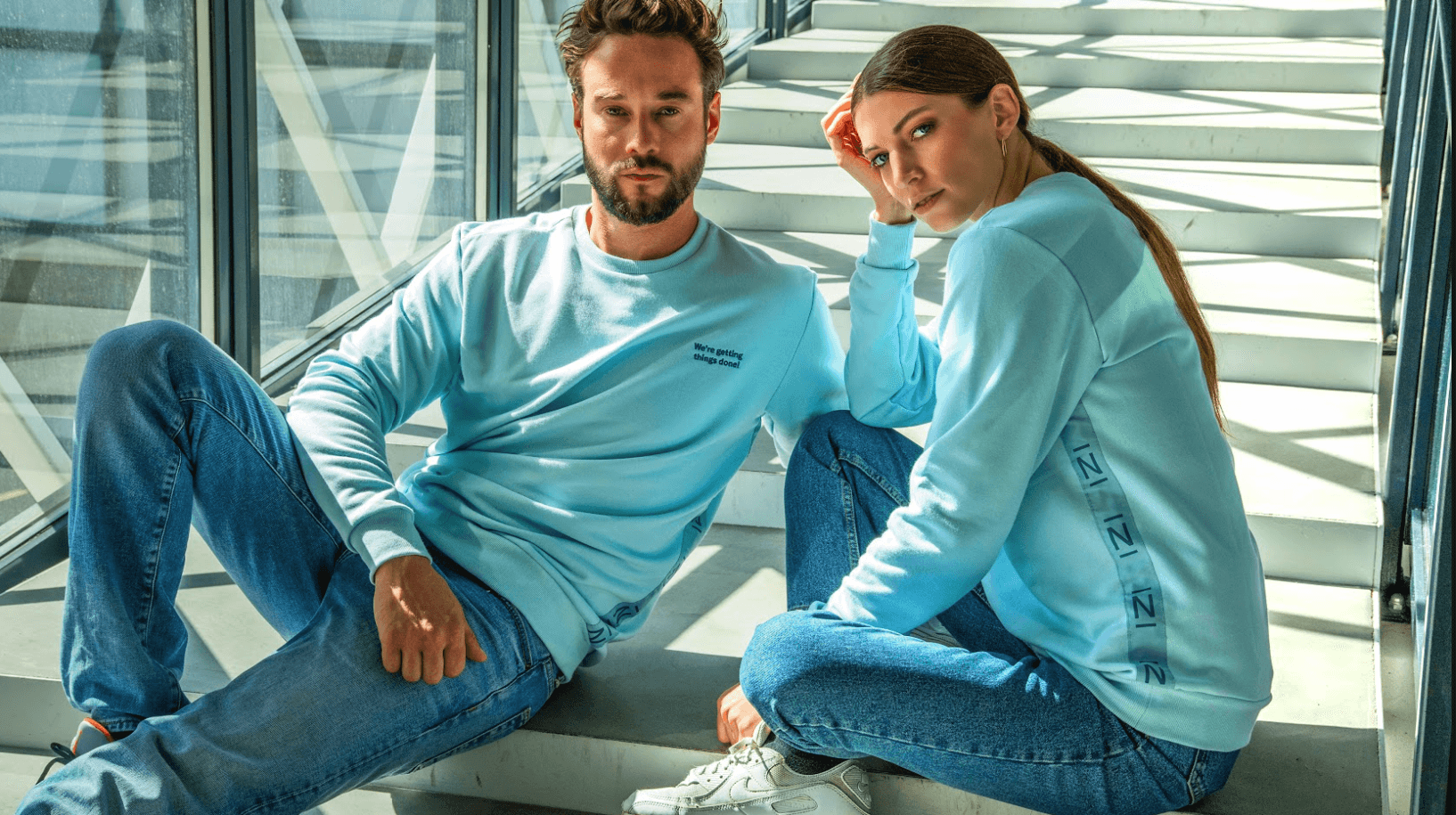
A worked example. A software company stops ordering ad hoc t-shirts per campaign and instead builds a standing range: a heavyweight hoodie in two colorways, a cap, a canvas tote, a notebook and a flask, all in one palette, all using the same tonal embroidery treatment. Sales, HR and events pull from that same range. The logo appears once, small, in the same place on every piece. That range is the brand merchandise. The individual hoodie with an embroidered mark on it is branded merchandise.
Why brand merchandise matters
Merch is often the only physical thing a company puts into the world. A website can be redesigned overnight. A hoodie someone wears for three years cannot. That gives merchandise an unusual amount of weight in how a brand is judged, and it is why the decisions worth arguing about happen at the range level, not on the individual print file.
Treating merch as a range changes the economics too. Ad hoc ordering means new artwork, new setup fees, new minimums and a new supplier conversation every time a team wants something. A defined range means shared blanks, repeatable decoration, one set of approved marks and predictable per-unit costs. Volume consolidates. Reorders stop being projects. The brand guidelines that already govern your digital work start governing what people hold.
The trade-off is discipline. A range means saying no to the one-off idea, the campaign-specific novelty item, the department that wants its own logo variant. It also means committing to fewer, better products instead of many cheap ones, which raises unit cost and lowers waste. Most companies find the range pays for itself the first time they reorder without redesigning anything.
Brand merchandise in branded merch
- A core range that never changes. Three to six evergreen items in one design system, always available, used for onboarding, gifting and internal requests. This is the backbone and the thing that makes reorders cheap.
- Tiered drops for different audiences. A lighter tier for events and mass giveaways, a premium tier for clients, employees and long-service moments. Same design language, different quality and cost, so the brand stays coherent while the budget flexes.
- A merch store people actually buy from. When the range is good enough to sell, an internal or public store turns merch from a cost line into a demand signal. What sells tells you what people genuinely want to wear.
Brand merchandise is a company's owned range of physical products, designed as a deliberate extension of the brand rather than as one-off logo giveaways.
5 tips to elevate your Brand merchandise strategy
| Tip | Steps |
|---|---|
| Design the range, not the item | Decide the full assortment and palette first, then pick blanks that fit it. |
| Lock one decoration treatment | Use the same mark, size and placement logic across the range so pieces read as a set. |
| Choose fewer, better products | Cut the item count in half and put the saved budget into quality and finish. |
| Apply the wear test | If nobody on the team would wear it off the clock, redesign it before you order it. |
| Keep the range alive | Review it once a year, retire what underperforms, add one new piece rather than five. |
Key Terminologies
Frequently Asked Questions
What is the difference between brand merchandise and branded merchandise?
Branded merchandise refers to individual products that carry a logo. Brand merchandise refers to the owned range those products belong to, including the assortment, design language and quality tier behind them. One is an item, the other is a program.
What should a brand merchandise range include?
Most ranges start with three to six items: one anchor apparel piece, one headwear or accessory, one drinkware item and one everyday carry item such as a tote or notebook. Add pieces slowly rather than launching a large catalog at once.
Is brand merchandise only for large companies?
No. A ten-person company with one well-made hoodie and one cap in a consistent treatment has brand merchandise. The range does not need to be big, it needs to be deliberate and repeatable.
Should brand merchandise be sold or given away?
Both work, and the best ranges do both. Giving builds reach, selling gives you honest feedback on which pieces people actually value. If nobody would pay for it, that is useful information about the design.
How do you keep brand merchandise consistent across teams?
Publish the approved range with fixed blanks, colors and logo placements, and route every request through it. Consistency comes from removing choices, not from reviewing each request individually.