


Definition
French terry is a knit fabric with a smooth, flat face on the outside and soft, unbrushed loops on the inside. It sits at a mid-weight between a light jersey tee and heavy fleece, which makes it a popular choice for sweatshirts, hoodies, and joggers. The loops trap a little warmth while still letting air move, so the fabric feels cozy without overheating. That balance is why so many brands pick it for everyday merch.
Definition
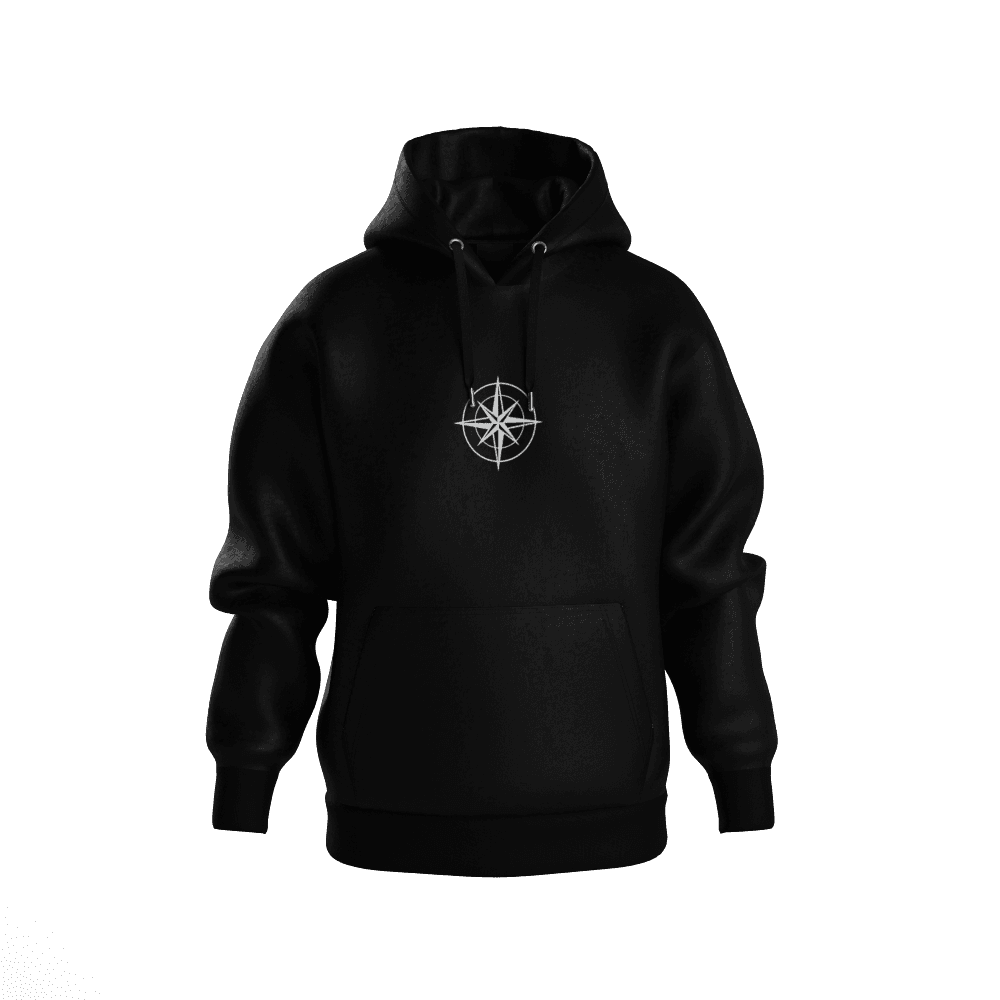
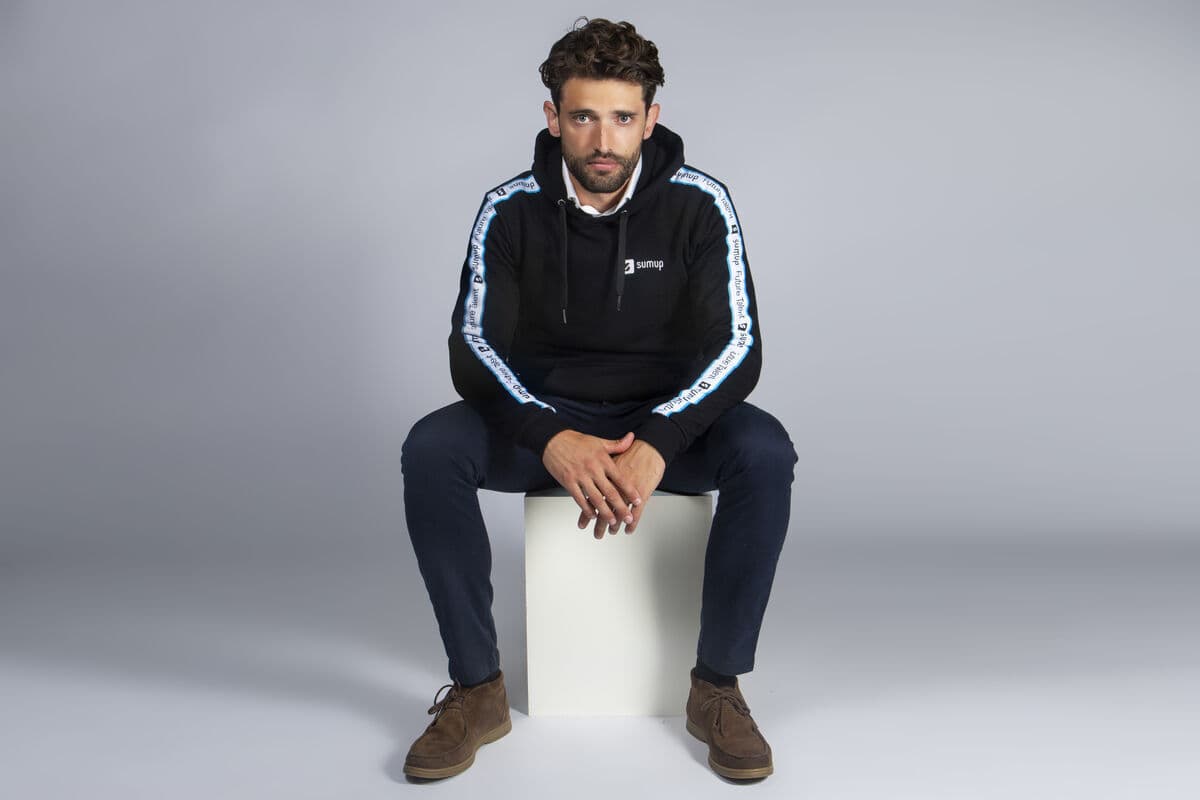
French terry is defined by its construction: a knit base where extra yarn forms small loops on the reverse side, while the front stays smooth and even. It usually lands between 250 and 380 GSM, lighter than brushed fleece but warmer than a standard tee. A good example is a mid-weight branded hoodie. The outside takes a crisp print or embroidery, while the looped interior gives that soft hand-feel people associate with a quality sweatshirt.
How french terry works
French terry is made on a circular knitting machine that loops extra yarn back into the fabric on one side. Those loops stay open and uncut, which is the key difference from fleece. The face of the fabric reads smooth and clean, ideal for decoration, while the looped back sits against the skin. Because the loops are not sheared or brushed, the texture stays defined and the fabric keeps a slightly structured drape.
Weight matters with this fabric. Lighter french terry around 250 GSM works for spring layers and joggers, while heavier weights near 350 GSM suit autumn crewnecks. The open loops hold air, so the fabric breathes better than dense fleece of a similar weight. That makes it a year-round option rather than a winter-only one.
Durability is another reason it shows up so often in merch. The looped knit resists pilling better than brushed surfaces because there are no raised fibers to break down. Wash after wash, a well-made french terry garment keeps its shape and surface. For branded apparel that people actually wear past the first month, that longevity is worth a lot.
French terry in branded merch
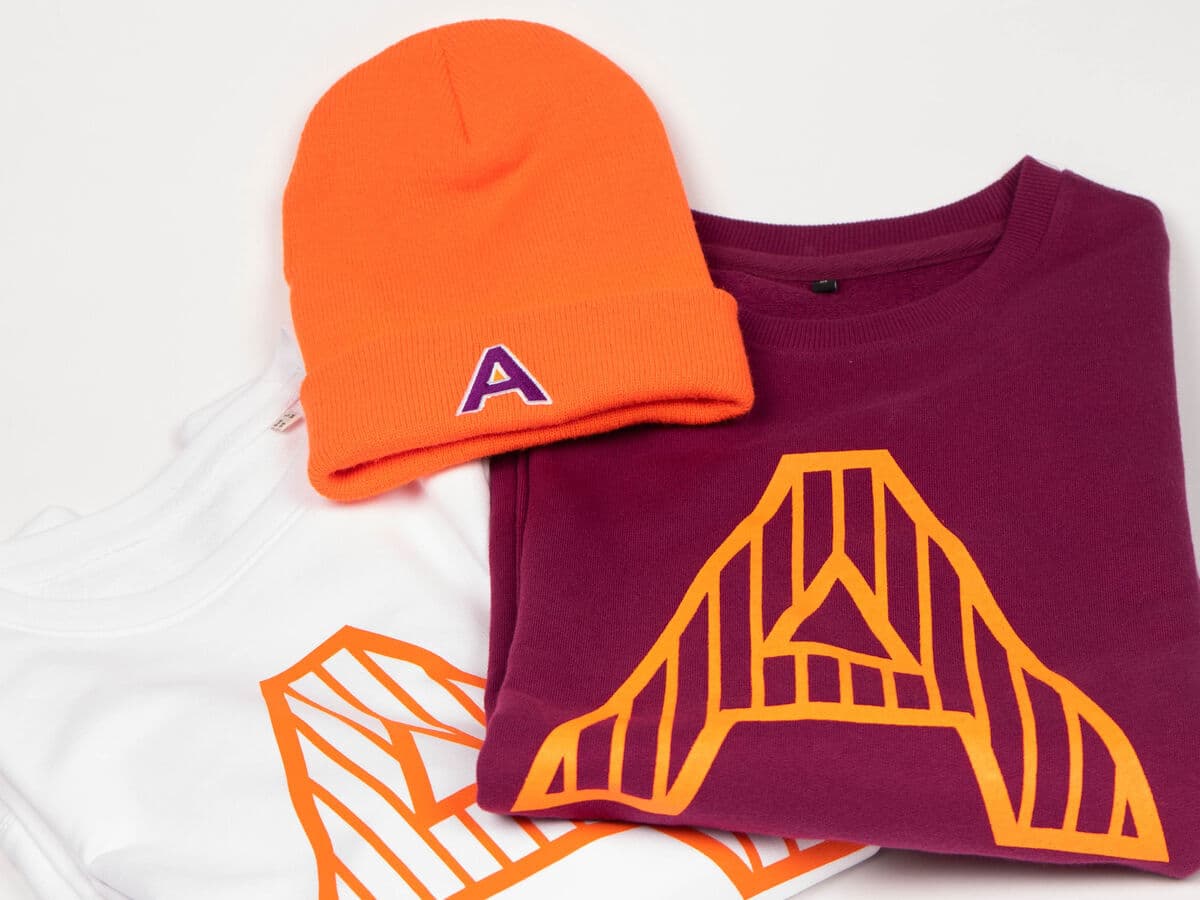
- Premium hoodies and crewnecks. French terry gives a substantial, structured feel that signals quality. The smooth face holds embroidery and screen prints cleanly, so your logo stays sharp wear after wear.
- Joggers and lounge sets. The mid-weight stretch and soft interior make french terry a natural fit for relaxed bottoms. Matching sets in this fabric photograph well and feel premium in hand.
- Layering pieces for warmer seasons. Because it breathes, lighter french terry works for spring and autumn merch when full fleece would be too warm. It extends the usable months of a branded drop.
French terry is a mid-weight looped knit with a smooth outer face, used for soft, breathable sweatshirts and joggers.
5 tips to elevate your French terry strategy
| Tip | Steps |
|---|---|
| Match weight to season | Pick 250 GSM for spring, 350 GSM for autumn and winter |
| Protect the loops | Wash inside out and skip high heat to keep the interior soft |
| Plan decoration for the face | Reserve prints and embroidery for the smooth outer side |
| Combine cottons | Choose [combed cotton](/glossary/combed-cotton) blends for a softer, cleaner face |
| Order samples first | Feel the loop density and weight before committing to a run |
Key Terminologies
Frequently Asked Questions
What is the difference between french terry and fleece?
French terry has open, unbrushed loops on the inside, while fleece is brushed to create a soft, fuzzy surface. This makes fleece warmer and french terry more breathable. French terry also tends to be lighter and better suited to year-round wear.
Is french terry good for hoodies?
Yes. French terry is one of the most common fabrics for mid-weight hoodies because it balances warmth, breathability, and a clean printable face. It feels substantial without being heavy.
What weight is french terry usually?
Most french terry falls between 250 and 380 GSM. Lighter weights suit spring layers and joggers, while heavier weights work for autumn and winter sweatshirts.
Can you print and embroider on french terry?
Yes. The smooth outer face takes screen printing, embroidery, and other decoration methods well. Keep decoration on the flat side rather than the looped interior for the cleanest result.
Does french terry shrink or pill?
Quality french terry resists pilling because the loops are not brushed into loose fibers. Some shrinkage can occur, so washing cold and air drying helps the garment hold its size.