Definition
Jacquard is a fabric in which the pattern is woven directly into the cloth rather than printed or dyed on top. A jacquard loom controls each warp thread individually, so intricate motifs, logos, and textures become part of the structure. You will find it in woven labels, patterned ties, and richly detailed upholstery.
Definition
Jacquard refers to both a weaving technique and the fabric it produces. Named after the loom that made it possible, the process raises and lowers individual warp threads in programmed sequences, building patterns thread by thread. Because the design is woven in, it appears on both faces, often as a reverse, and it does not crack, peel, or fade the way a print can. A familiar example is a woven brand label inside a garment, where the logo is formed from contrasting colored threads rather than printed ink.
How jacquard works
Older jacquard looms used punched cards to tell the machine which threads to lift for each pass of the weft. Modern looms do the same job electronically, which lets designers program detailed, repeating, or one-off patterns with precision. Each lifted or lowered thread changes how light hits the surface, creating the motif through color and texture instead of surface coating.
The result is durable and dimensional. Patterns survive heavy washing and wear, and the woven texture gives depth that flat printing cannot match. The trade-offs are setup and cost. Programming the weave and threading the loom take time, so jacquard tends to suit larger runs or higher value pieces. Fine detail also depends on thread count, so very small text can be harder to render than on a printed surface.
For merch, jacquard reads as crafted and permanent. It turns a logo into part of the material itself, which suits brands that want their identity to feel woven in rather than stuck on.
Jacquard in branded merch
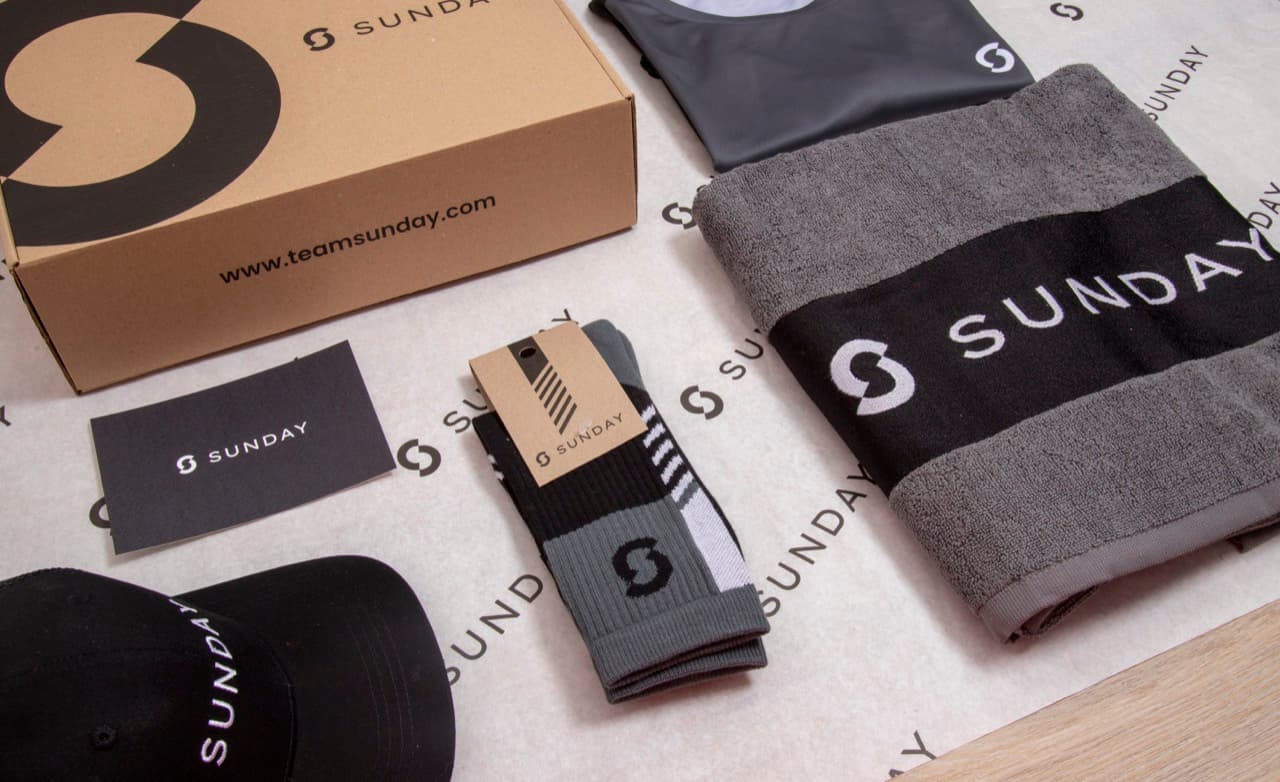
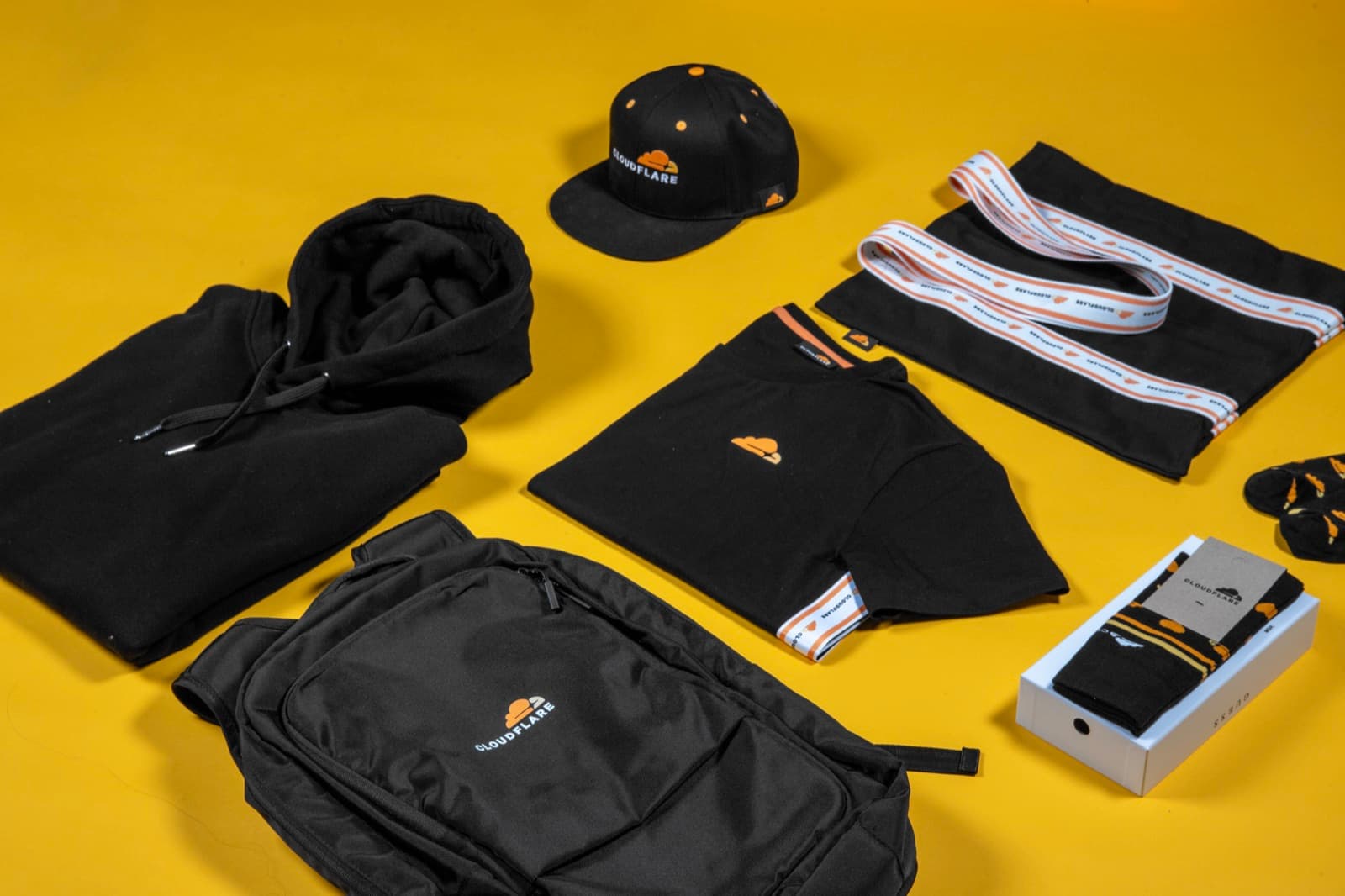
- Woven labels and patches: Use jacquard for clothing labels, bag tags, and patches where a clean, durable, woven logo signals quality.
- Patterned accessories: Ties, scarves, ribbons, and blankets can carry a brand pattern woven through the cloth for a premium gift.
- Branded socks and knitwear: Jacquard knitting builds logos and motifs into socks, beanies, and sweaters that hold up wash after wash.
Jacquard is a fabric whose design is woven into the structure on a jacquard loom, so the pattern is built from the threads themselves rather than applied to the surface.
5 tips to elevate your Jacquard strategy
| Tip | Steps |
|---|---|
| Plan for run size | Reserve jacquard for larger orders where setup cost spreads across units. |
| Simplify fine detail | Convert tiny text into bolder shapes so the weave can render it clearly. |
| Limit the colors | Fewer thread colors keep the weave cleaner and the cost in check. |
| Use both faces | Design with the reverse motif in mind, since the pattern shows on both sides. |
| Pick the right base | Match yarn type to the product, from soft cotton for labels to durable poly for bags. |
Key Terminologies
Frequently Asked Questions
Is jacquard a fabric or a technique?
Both. Jacquard is a weaving technique that uses a jacquard loom, and the patterned fabric it produces is also called jacquard.
Is jacquard printed or woven?
Woven. The pattern is built from the threads during weaving, so it is part of the fabric structure and does not sit on top like a print.
Is jacquard durable?
Yes. Because the design is woven in rather than applied, it resists cracking, peeling, and fading, and it holds up well through repeated washing.
Why is jacquard more expensive?
The loom setup, thread programming, and slower weaving add cost. That is why jacquard usually suits larger runs or higher value products.
What is the difference between jacquard and embroidery?
Jacquard weaves the design into the cloth as it is made, while embroidery stitches a design onto finished fabric, so the two have different texture and production methods.