Definition
Modal fabric is a soft, semi-synthetic textile made from regenerated cellulose, specifically beech tree pulp. It is a type of rayon engineered to be stronger and smoother than standard viscose. People know it for its cool, silky hand and how well it holds up wash after wash.
Definition
Modal is made by processing beech cellulose into fibers using a refined version of the viscose method. The extra processing gives modal longer, finer fibers that resist breaking when wet. The fabric feels smooth and cool, drapes well, and keeps its color and shape through repeated laundering.
How modal fabric works
Beech pulp is dissolved and spun into fiber much like other rayons, but with tighter control over the molecular structure. That control produces fibers with high wet strength, so modal does not weaken or distort when it gets wet the way ordinary viscose can. The surface is very smooth, which gives modal its signature silky feel and helps colors stay bright.
The trade-offs are mostly about cost and behavior. Modal usually costs more than basic cotton or polyester, and on its own it can feel slippery. That is why it is most often blended. Cotton adds body and structure, while modal contributes softness, color retention, and shrink resistance.
In merch, modal earns its place when comfort and longevity both matter. It is a strong pick for items people will wear regularly and wash often, since it keeps its hand and color far longer than many alternatives.
Modal fabric in branded merch
- Everyday tees and underlayers. A cotton-modal blend gives the soft, cool feel that keeps branded basics in regular rotation.
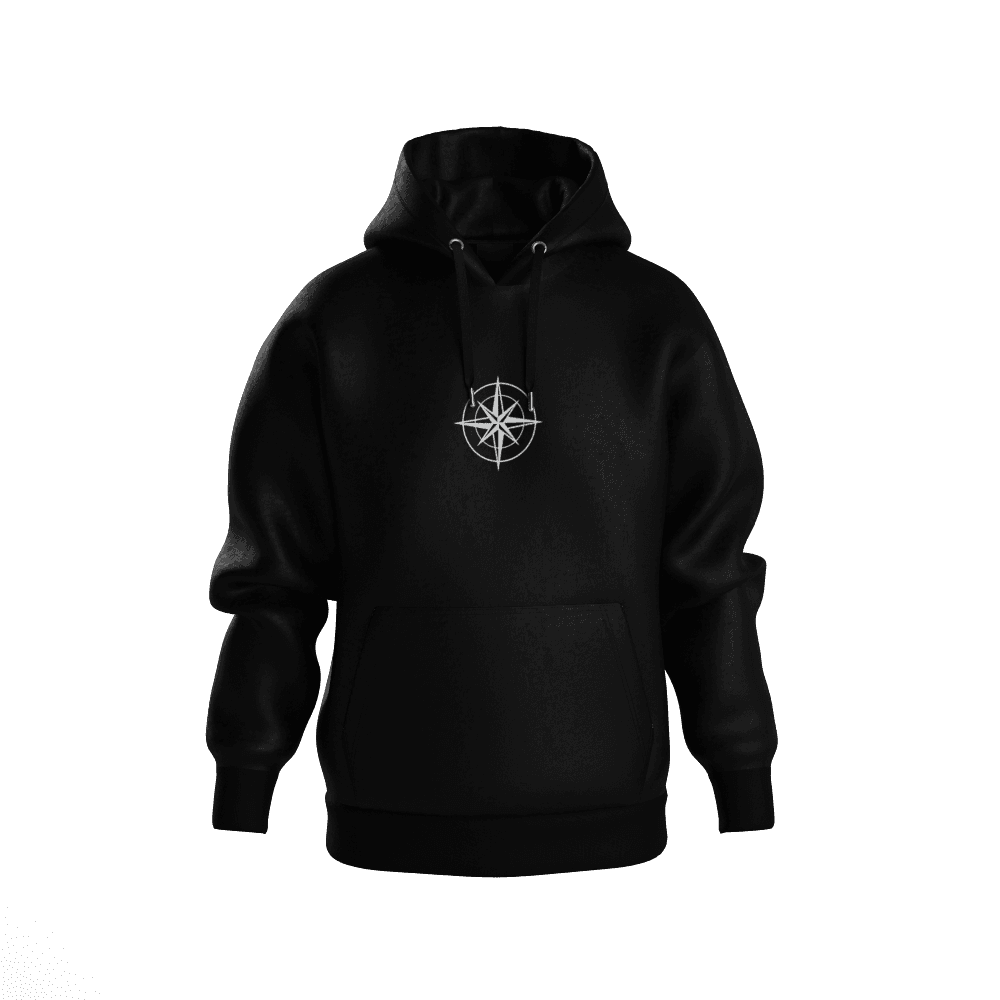
- Premium loungewear and apparel gifts. Modal's silky hand makes hoodies, joggers, and lounge sets feel like retail, not giveaway.
- Long-life uniform and staff kit. Because modal resists shrinking and fading, it suits pieces that need to look consistent across a large team over time.
Modal fabric is a beech-pulp rayon known for a silky-soft hand, strong wet performance, and excellent resistance to shrinking and fading.
a branded everyday tee in a cotton-modal blend. It feels softer than pure cotton, resists pilling, and still looks sharp after dozens of washes, which is exactly what a long-running merch program needs.
5 tips to elevate your Modal fabric strategy
| Tip | Steps |
|---|---|
| Blend with cotton | Pair modal with cotton for structure while keeping the soft, cool hand. |
| Lean on it for longevity | Choose modal for items that get washed often and need to hold color. |
| Mind the budget | Expect a higher cost than basic cotton, and weigh it against longer wear. |
| Confirm the decoration | Check that your print or embroidery suits a smooth, fine-fiber surface. |
| Position it as premium | Use modal for gifts and apparel where a soft, retail feel matters. |
Key Terminologies
Frequently Asked Questions
Is modal fabric natural or synthetic?
Modal is semi-synthetic. It is made from natural beech cellulose that is chemically processed into a manufactured fiber, so it sits between natural and fully synthetic.
Is modal better than cotton?
It depends on the goal. Modal is softer, holds color longer, and resists shrinking better than cotton, while cotton offers more structure and lower cost. Blends combine both.
Does modal shrink?
Modal resists shrinking better than cotton and standard viscose. Following the care label and avoiding high heat keeps shrinkage to a minimum.
Is modal good for branded apparel?
Yes. Its soft hand and strong color retention make it a good fit for premium gifts and items that need to look good after many washes.
What is the difference between modal and viscose?
Both are cellulose fibers, but modal is made from beech pulp with extra processing, giving it greater wet strength, more softness, and better shrink resistance than standard viscose.