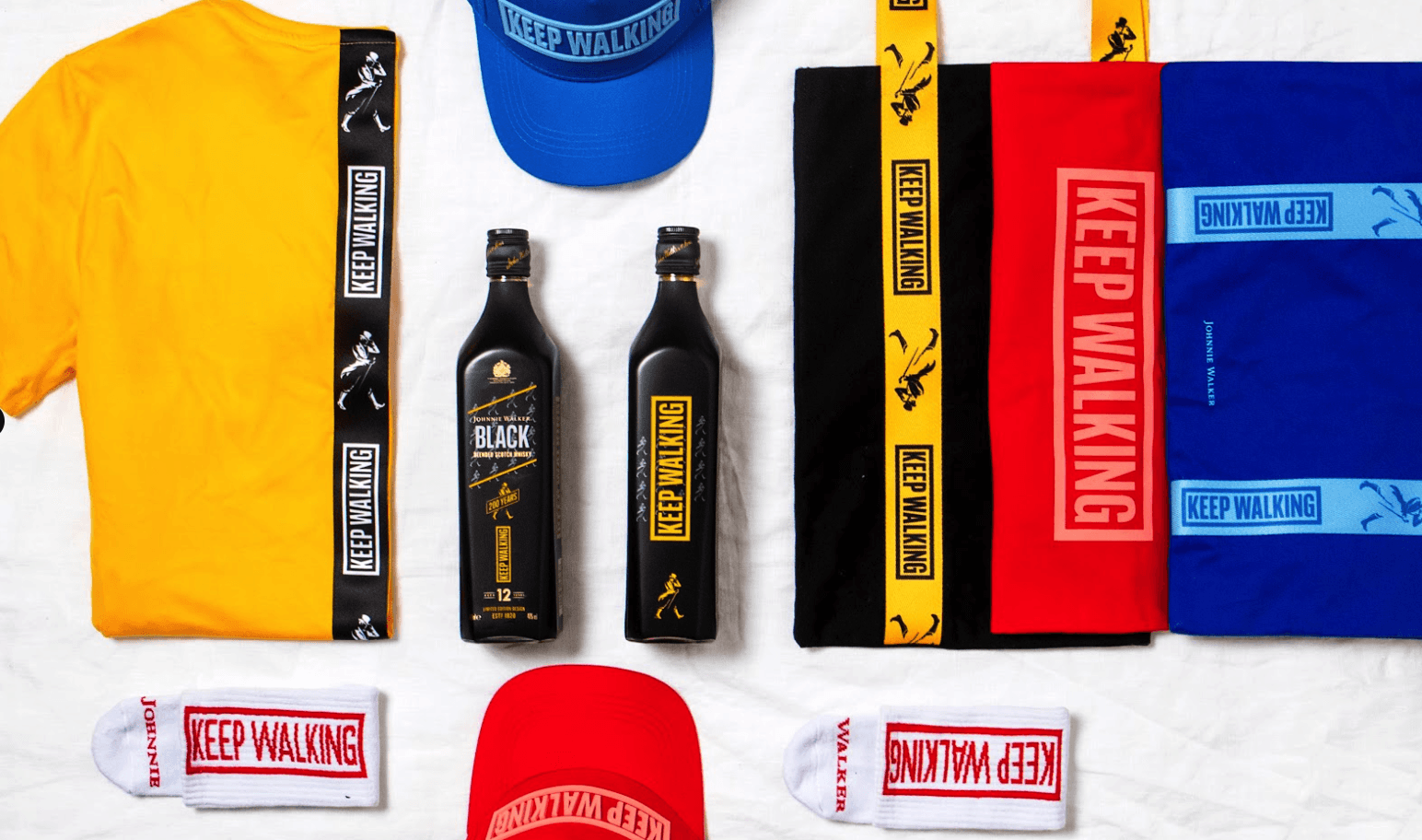
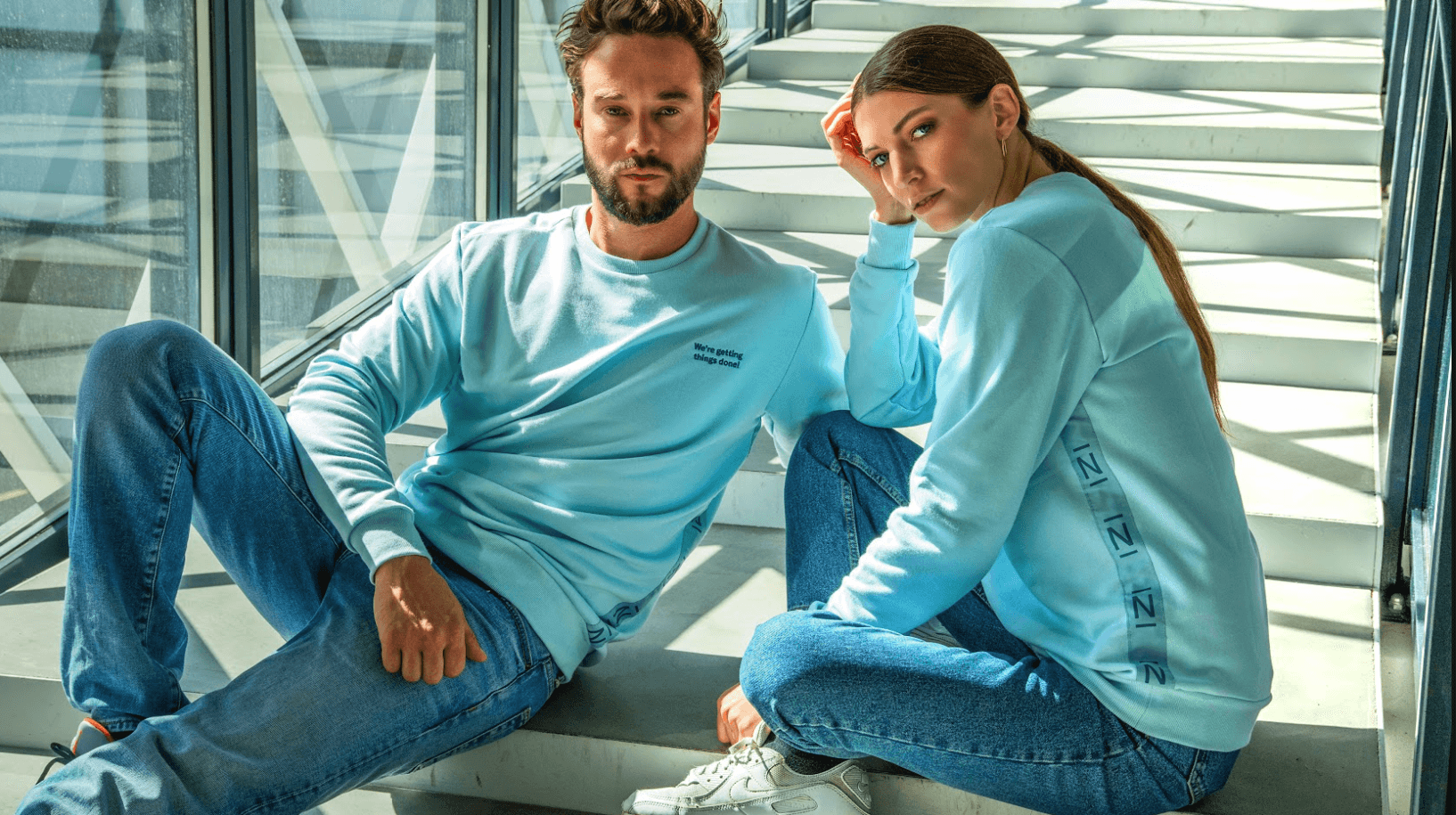
Definition
Vinyl cutting is a decoration method where a machine cuts a design from a sheet of colored heat-transfer vinyl, then that shape gets heat-pressed onto a garment or accessory. It is a fast, durable way to apply names, numbers, and simple logos to small runs of merch.
Definition
Vinyl cutting uses a plotter with a small blade to trace and cut a design out of a roll or sheet of vinyl. The excess vinyl around the design is removed by hand, a step called weeding, and the remaining shape is transferred to the fabric under heat and pressure. The result is a crisp, opaque layer of color that sits on top of the material.
A practical example: a sports club needs 20 jerseys with individual player names and numbers on the back. Each name is cut from vinyl, weeded, positioned, and pressed. Because there is no screen or setup per design, personalizing each shirt costs the same as printing the same text 20 times.
How vinyl cutting works
The process starts with a vector file. The design is loaded into cutting software, mirrored, and sent to the plotter, which cuts through the vinyl but not the backing sheet. Vinyl comes in many finishes: matte, gloss, metallic, fluorescent, flock, and reflective. Each finish behaves slightly differently under the press, so temperature and time settings matter.
After cutting, the operator weeds away everything that is not part of the design. Fine detail and small text make weeding slow, which is the main trade-off of this method. The cleaned design, still on its carrier film, is placed on the product and pressed at a set temperature. Once cooled, the carrier is peeled away and the vinyl stays bonded to the fabric.
Vinyl is a solid color layer, so it does not blend gradients or reproduce photographs. It shines with bold, one to three color designs. Wash durability is strong when applied correctly, though thick multi-layer designs can feel stiff and reduce breathability on very light fabrics. For softer results on cotton, some teams compare it with screen printing or DTF printing.
Vinyl cutting in branded merch
- Names and numbers: Personalize team kits, staff uniforms, and event shirts where every piece carries different text without added setup cost.
- Small-batch logos: Decorate 10 to 100 units with a clean one or two color logo, ideal for launches, pop-ups, and internal teams.
- Accessories and hard-to-print items: Apply marks to caps, bags, and sleeve panels where flat screen setups are awkward but a small heat press fits.
Vinyl cutting is the process of cutting a design out of colored vinyl film and heat-pressing it onto a product to create a solid, long-lasting mark.
5 tips to elevate your Vinyl cutting strategy
| Tip | Steps |
|---|---|
| Keep designs simple | Use bold shapes and limit fine detail to make weeding fast and clean. |
| Choose the right vinyl | Match the finish to the fabric and use stretch vinyl for performance and knit materials. |
| Mind the layers | Avoid stacking many colors on light garments to keep the feel soft and breathable. |
| Test the press settings | Confirm temperature, time, and pressure on a sample before running the full batch. |
| Order by volume | Use vinyl for small and personalized runs, and switch methods once quantities grow. |
Key Terminologies
Frequently Asked Questions
Is vinyl cutting good for small quantities?
Yes. There is no screen or plate to set up per design, so short runs and one-off personalized pieces stay affordable compared with methods that charge per setup.
How durable is cut vinyl on clothing?
Properly applied vinyl survives many wash cycles without cracking or peeling. Turning garments inside out and washing cold extends its life further.
Can vinyl cutting reproduce a full-color photo?
No. Vinyl is a solid color layer, so it suits bold logos, text, and simple graphics. For photographic or gradient artwork, DTF or full-color transfers work better.
What is weeding in vinyl cutting?
Weeding is the manual step of removing the vinyl that surrounds your design after cutting. Detailed art takes longer to weed, which raises the labor per piece.
Which products work with vinyl cutting?
Most flat, heat-tolerant items work, including t-shirts, hoodies, tote bags, and caps. Fabrics that cannot handle press heat, like some technical or coated materials, may need a different method.