


Definition
Hand wash vs machine wash is the difference between cleaning a garment by hand in a basin and cleaning it in a washing machine drum. Hand washing uses low heat, gentle pressure and no spin, so fibres keep their shape. Machine washing uses agitation, friction and centrifugal force, which cleans faster but stresses the fabric and the branding on it. The care label on every piece tells you which one the maker signed off on.
Definition
Hand washing means soaking a garment in lukewarm water with a mild detergent, pressing it gently, rinsing it and drying it flat. Machine washing means loading it into a drum where water, detergent and mechanical agitation do the work, followed by a high-speed spin. The hand wash vs machine wash question matters most on items where fibre structure is delicate or the decoration sits on the surface. A merino beanie hand washed at 20 degrees keeps its loft for years. The same beanie in a 40-degree cotton cycle can felt and shrink a full size in one wash.
How hand wash vs machine wash works
Machine washing cleans through mechanics. The drum tumbles the load, fibres rub against each other and against the metal, and detergent lifts soil away. That friction is what removes stains, but it is also what causes pilling, colour loss and print cracking. The spin cycle then pulls water out at hundreds of revolutions per minute, which stretches knitted structures and can distort collars, cuffs and hems. Heat compounds the effect. Above roughly 40 degrees, cotton shrinks, elastane loses recovery and screen prints soften and stick to themselves.
Hand washing removes almost all of that stress. There is no tumbling and no spin, so the fibre keeps its original alignment. Wool and cashmere in particular have scaled fibre surfaces that lock together under heat and agitation, a process called felting, and felting is not reversible. Silk loses lustre in a drum. Bonded and laminated fabrics can delaminate. For these materials, hand washing is not caution, it is the only method that preserves the product.
The trade-off is real. Hand washing takes time, cleans less deeply, and leaves more water in the garment, which means longer drying. Most people will not do it, which is why recipient behaviour should shape your product choice. If a piece will be worn weekly and washed by someone in a hurry, specify a machine-washable fabric and a decoration that survives 30-degree cycles. Save hand-wash-only materials for pieces people treat as investments.
Hand wash vs machine wash in branded merch
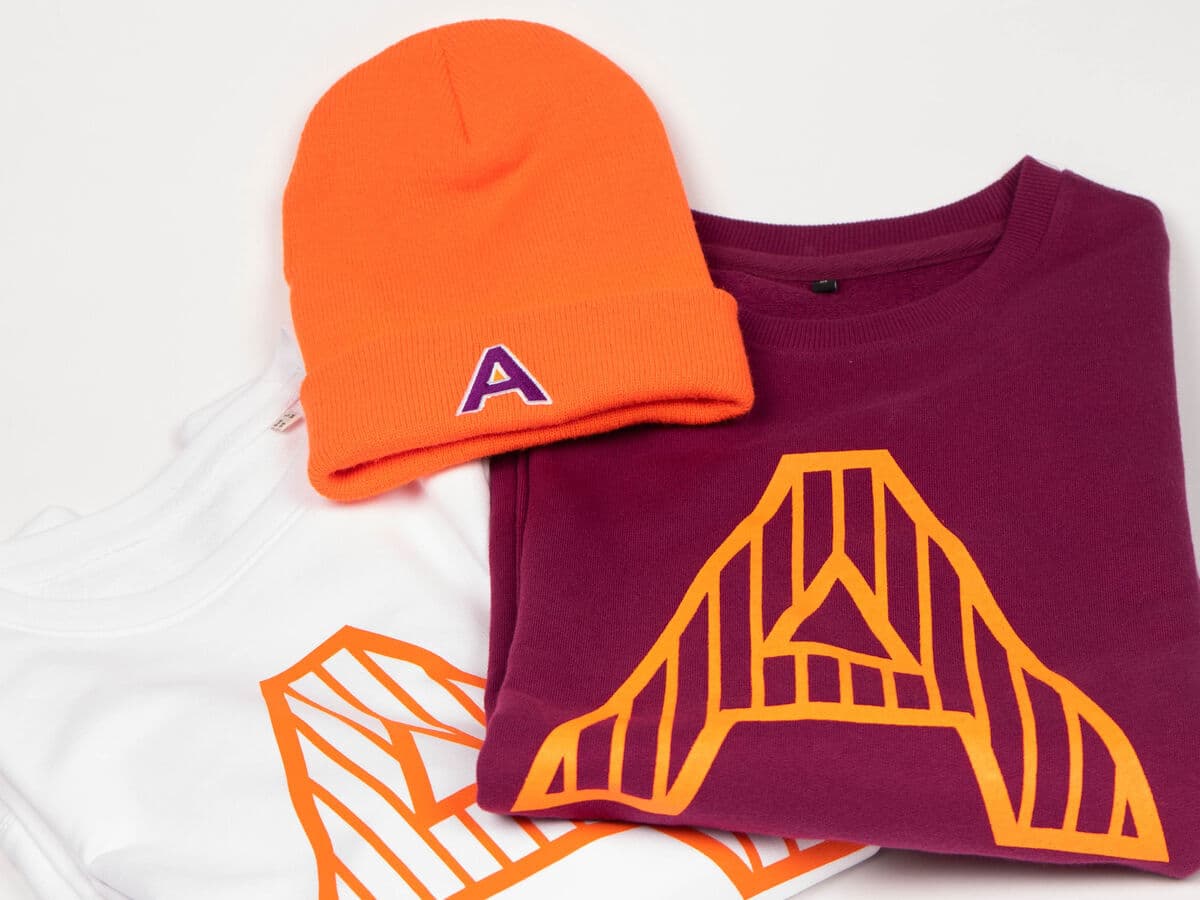
- Premium knitwear and accessories. Cashmere scarves, merino wool beanies and lambswool jumpers are hand-wash-only in practice. Include a short care card in the pack so the recipient does not machine wash a 90 euro gift on day one.
- Everyday team apparel. T-shirts, hoodies and polos in cotton or cotton blends should be machine washable at 30 degrees, inside out. Choose print methods that survive repeat cycles, since a cracked logo reads as a cheap product even when the garment is good.
- Technical and performance kit. Softshells, running tees and anything with elastane machine wash cold with no fabric softener, which coats fibres and kills wicking. Never tumble dry, since heat destroys stretch recovery.
Hand wash means gentle, low-agitation cleaning in a basin; machine wash means faster mechanical cleaning in a drum, with more friction, heat and spin.
5 tips to elevate your Hand wash vs machine wash strategy
| Tip | Steps |
|---|---|
| Read the label first | Follow the symbol on the care label. It reflects what the fabric and the decoration can survive together, not just the fibre. |
| Wash inside out | Turn printed and embroidered garments inside out before a machine cycle so the branding faces away from friction. |
| Cap the temperature | Set 30 degrees for most merch. It protects colour, print and fit, and it cuts energy use. |
| Skip the softener | Fabric softener coats fibres, dulls prints and ruins moisture-wicking performance on technical fabrics. |
| Dry flat, not hot | Reshape knitwear and dry it flat. Tumble drying is the fastest way to shrink cotton and felt wool. |
Key Terminologies
Frequently Asked Questions
Is hand wash always better than machine wash?
No. Hand washing is gentler, but it cleans less deeply and takes far longer. For cotton tees, hoodies and most everyday merch, a 30-degree machine cycle is the better choice because it removes soil properly without damaging the fabric.
Can I machine wash a hand-wash-only item?
Only if your machine has a true wool or hand-wash programme with a low spin speed, and even then it is a risk. Wool and cashmere can felt permanently in one wrong cycle, so treat the hand wash symbol as a hard rule for gifted premium knitwear.
What temperature protects printed merch best?
Thirty degrees, inside out, is the safe default for screen prints, transfers and embroidery. Higher temperatures soften print inks, which then crack, peel or stick to the fabric behind them.
Does hand washing prevent shrinkage?
Mostly, yes. Shrinkage is driven by heat and agitation, and hand washing removes both. Cotton and wool washed by hand in lukewarm water and dried flat hold their size far better than the same items in a hot machine cycle.
How should I communicate care instructions for a merch drop?
Add a care card to the pack and put the same guidance in the handover email. Recipients rarely check sewn-in labels, so a one-line instruction like wash cold, inside out, dry flat protects the pieces you paid for.