



Swag programs run on the same few workflows every quarter. Event prep, reorders, budget splits, reports. An AI assistant with the right connections can prepare all of them, and leave the yes to you.
Part of our guide to agentic commerce for branded merch.
AI workflow automation for a swag program means an AI assistant runs the recurring steps for you: checking stock, forecasting event needs, building budgets, preparing reorder quotes and reporting. With Sunday MCP connected to Claude, ChatGPT or Gemini, one prompt can do the preparation across your merch account, and a person approves every quote and shipment.
The short version: automate the workflows you repeat every quarter, keep people on the ones you only do once.
What is AI workflow automation?
Classic workflow automation is rules. If a form is submitted, create a ticket. If stock drops below a number, send an email. It works well until reality does something the rule did not expect.
AI workflow automation is different in one way that matters. You describe the outcome in plain language, and an AI assistant works out the steps using the tools the process lives in. It can read data, compare options, prepare the work and explain what it did. A person still checks the result.
For a swag program that is a good fit. The work is repetitive enough to automate, and messy enough that rigid rules break. Sizes shift. Events move. Budgets change mid-quarter.
Which swag program workflows are worth automating?
Look for the work you do every month or every quarter, where the decision behind it is already made. In Niels's words, new products are a creative project, and reordering is an administrative transaction. The second kind is what you automate.
| Workflow | What the agent prepares | What a person does |
|---|---|---|
| Reorders | A quote for approved items, in one prompt | Approves the quote via the link |
| Pre-event stock check | Stock by item and size against the event plan | Decides what to top up |
| Event forecast | A quarterly forecast and quotes for three or six months | Checks the plan, approves quotes |
| Budget split | A split of a set budget for an audience, saved as a wish list | Shares it, picks the version to quote |
| Shipment planning | Shipments to offices, venues or people | Confirms each shipment |
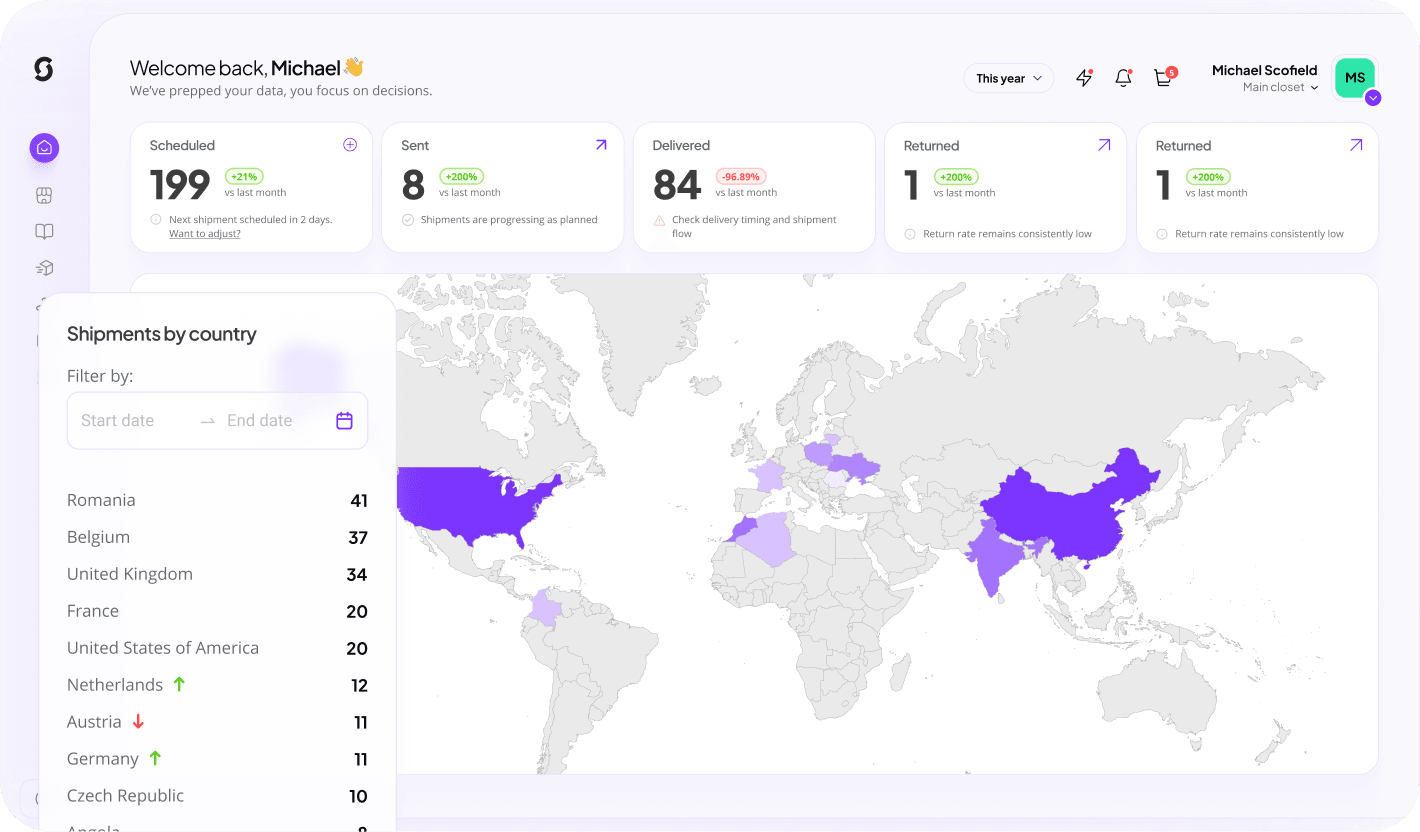
| Monthly reporting | Items shipped, current stock, most popular countries | Reads it, acts on it |
| Leftover stock | A shortlist of who could be rewarded with it | Picks the people and approves |
New designs and new collections are missing from that table on purpose. The agent can suggest ideas there, and the decision stays human. That split is the core of our agentic commerce guide.
Worked scenario: how does an AI event forecast work?
This is a how-it-works scenario, not a customer result. Say your team runs a steady calendar of events and you hand out between 1,000 and 1,500 items at each one. Today, each event starts with someone checking stock and ordering in a hurry.
With Sunday MCP connected, you load in all your events and ask for a forecast.
You, in Claude · Illustrative example: Here are our events for next quarter. We hand out 1,000 to 1,500 items per event. Build a forecast for next quarter based on our current stock, and prepare quotes for the next three months and for the next six months so I can compare.
Sunday MCP: I have built a forecast per event using your current stock and the item range you gave me. I have prepared two quotes, one covering three months and one covering six. Nothing is ordered yet. Open either quote link to review and approve.
What changes is the rhythm. Instead of a scramble before each event, you have a plan for the quarter and a quote waiting for approval. When an event gets added or cancelled, you ask again. For what to actually put on the table at an event, read our guide to event merchandise.

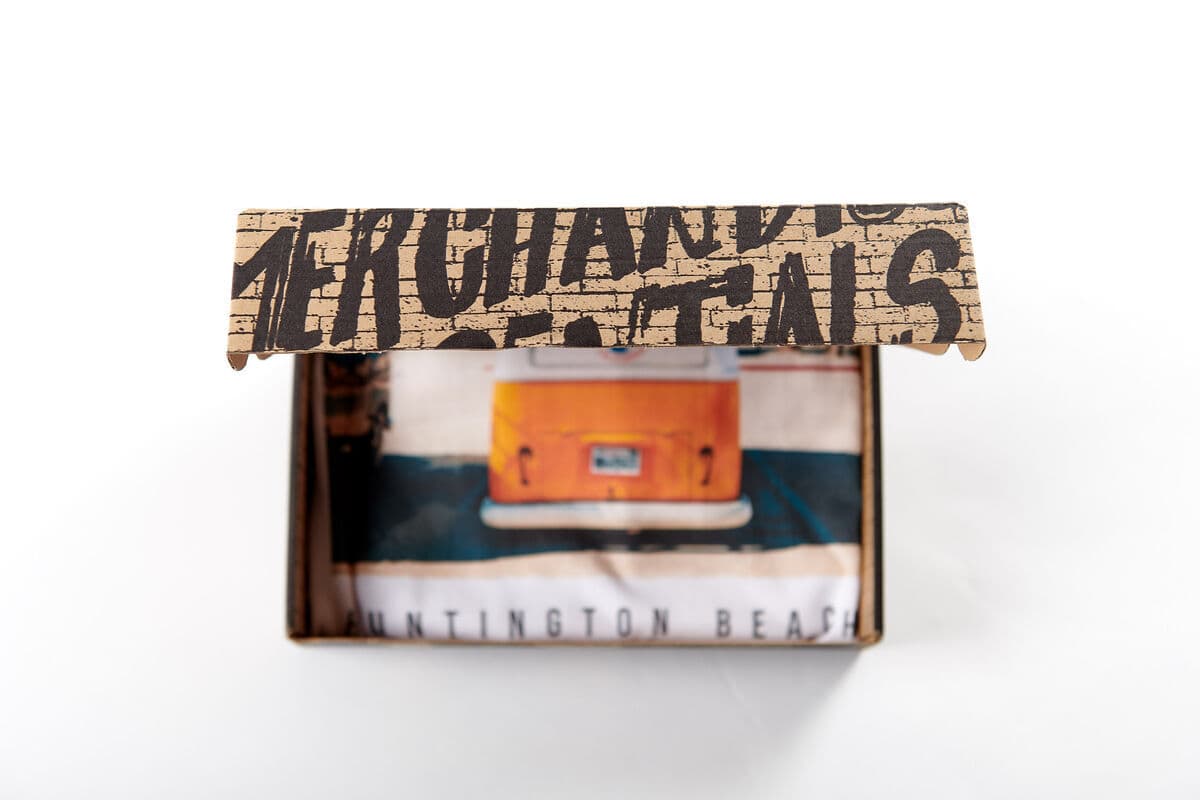
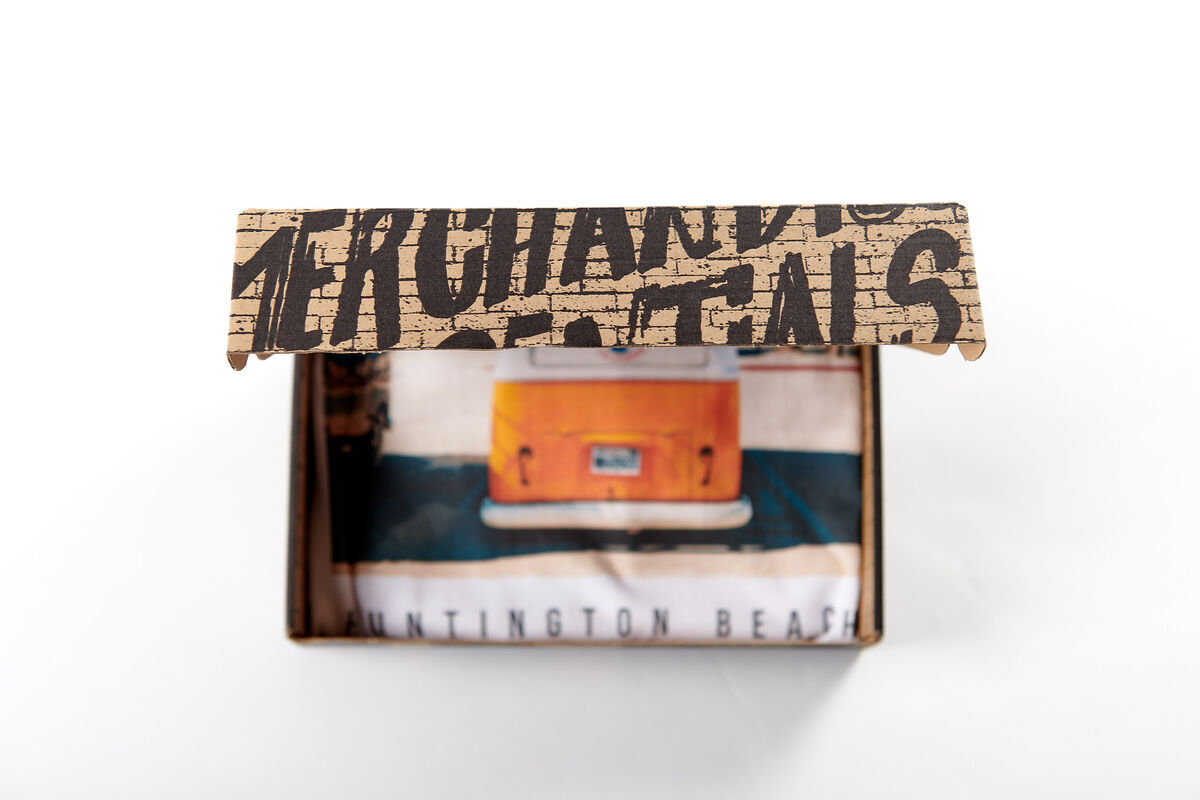
Socks like these are the kind of approved, repeatable item that turns up at every event. Keeping them in stock is a workflow an agent can prepare.
How does MCP server workflow automation work?
The Model Context Protocol, or MCP, is an open standard that lets an AI assistant connect to business systems through MCP servers. Each server gives the assistant access to one system. Sunday MCP gives it access to your Sunday merch account. Your CRM, your calendar or your HR tool may have their own.
That is what makes MCP server workflow automation different from a single-app automation. The assistant can hold several connections at once and use them in one workflow. Your calendar knows the events. Sunday knows the stock and the catalog. The assistant joins them up and prepares the result.
If you want the technical background without the jargon, read what an MCP server is, and for why this differs from a classic integration, MCP vs API. More workflows like the event forecast are collected in 12 agentic AI examples in merch and gifting.
Can you run merch tasks on a schedule?
Claude and some other assistants offer scheduled or recurring tasks, depending on your plan and the app you use. Check your assistant's own documentation for what it supports today.
Where that is available, a few swag workflows suit a schedule well:
- A weekly stock report for your core items, by size.
- A monthly summary of items shipped and the most popular countries.
- A check two weeks before each event that compares the event plan against stock.
- A quarterly prompt that rebuilds the event forecast and prepares fresh quotes.
- A monthly look at leftover stock and who could be rewarded with it.
The schedule changes when the work happens. It does not change who approves it. A scheduled task can prepare a reorder quote. It cannot place the order.
Where should automation stop?
Merch is complex. There are designs, approvals and brand guidelines. Automate as much as you can, and keep a person confirming that the brand is respected. In Sunday MCP that line is built in:
- No automatic orders. The agent generates a quote and a person approves it through a link.
- Shipments need confirmation. A planned shipment waits for a person to confirm it.
- Design sign-off stays human. Anything that touches your brand guidelines is approved by your team.
- The budget owner stays accountable. Every quote shows the spend before anyone commits to it.
That is also what keeps finance comfortable. Every automated workflow ends at a quote, and every quote has an approver. Our agentic commerce FAQ for procurement and finance covers the accountability questions, and spend controls for AI agents covers permissions.
Automate the swag work you repeat
Connect Sunday to Claude, ChatGPT or Gemini. Forecasts, reorders and reports in a prompt, with a person approving every quote.
Request Sunday MCP accessIncluded on every Sunday plan · Works with Claude, ChatGPT and Gemini · You approve every order
How do you get started?
Sunday MCP is included on every Sunday plan, and access is on request through the form on the Sunday MCP page. Once access is granted, add Sunday as a custom connector using the URL you receive, then sign in with your Sunday account. The walkthrough is in how to connect Sunday to Claude, ChatGPT or Gemini.
Then build up in order. Read-only questions first, so you see how the agent answers. Then reorders, which are low risk. Then one recurring workflow, such as the pre-event stock check. The full sequence is in how to use AI agents for your merch program, step by step.
All of this sits on top of the Sunday platform, which handles storage and distribution and a company swag store for the items people order themselves. No Sunday account yet? Create one for free and set up your core items first.